
Planting
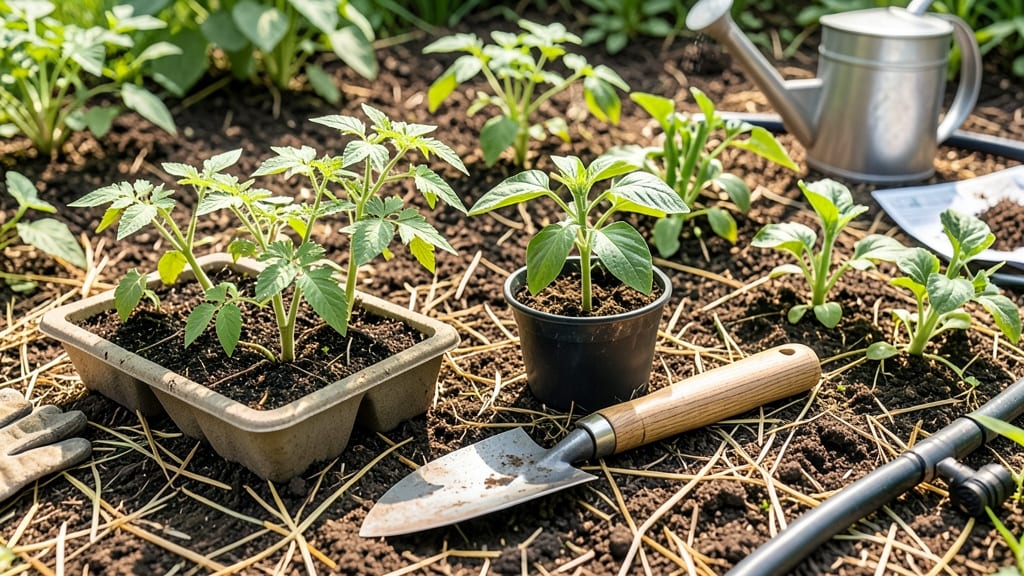
Planting a spring garden in Texas means timing it right—after the last frost but before the heat sets in, when soil is warm and workable for your 🌱 crops.
Texas gardeners know timing is everything—plant too early and risk frost, too late and face scorching summer heat. But with the right schedule, you can grow a thriving spring garden packed with heat-tolerant vegetables that thrive in the Lone Star State’s unique climate.
From North Texas’s chilly mornings to the Gulf Coast’s early warmth, each region has its own ideal planting window. I’ll break down the last-frost dates by zone, so you know exactly when to start seeds indoors or transplant seedlings.
You’ll also discover the best heat-tolerant varieties for your garden, from okra to collard greens, plus pro tips to extend your harvest into summer—no matter where in Texas you’re growing.
Texas spring planting calendar: last-frost dates by region
Texas spans 11 USDA hardiness zones from 7a (North) to 10a (South), creating wildly different planting windows. The average last-frost dates vary by 6+ weeks—planting too early in North Texas or too late in South Texas can mean disaster.
Let’s break down the regional planting zones so you can time your spring garden perfectly.
First, check your local last-frost date using the Texas A&M AgriLife Extension frost maps. North Texas (Zones 7-8) typically sees its last frost between February 15 and March 15, while South Texas (Zones 9-10) rarely drops below freezing after January 15.
Central Texas (Zones 8-9) falls in between, with last frosts around March 1.
Microclimates matter! Mountain areas (e.g., Davis Mountains) can frost weeks after lowland regions, while urban heat islands (like Dallas or Houston) may warm up faster. Adjust your planting by 1-2 weeks earlier in cities and 1-2 weeks later in cooler valleys.
For cool-season crops like lettuce or peas, start seeds 4-6 weeks before your last frost indoors or under row covers. Warm-season plants (tomatoes, peppers, okra) need soil temps above 60°F—wait until mid-March in North Texas or February in South Texas. Use a soil thermometer to confirm!
Pro tip: Succession planting works year-round in Texas. After harvesting early crops like radishes or spinach, replant with heat-tolerant varieties like Malabar spinach or Swiss chard. This keeps your garden productive through summer’s peak.
Always cross-check with your local cooperative extension office. For example, the Texas A&M AgriLife Extension provides hyperlocal frost alerts—sign up for their newsletters to avoid surprises. Even a single late frost can wipe out tender seedlings overnight.
Remember: Texas springs are unpredictable. Keep a planting journal to track your microclimate’s quirks—next year, you’ll nail the timing like a pro. Start with fast-growing crops (like bush beans or cucumbers) to test your soil’s readiness before committing to longer-season plants.
Once you’ve mastered these regional planting windows, you’ll be harvesting homegrown tomatoes by June—no matter where you garden in the Lone Star State. Happy planting! 🌱
Best heat-tolerant spring vegetables for Texas gardens
When Texas spring arrives, the key to a successful garden is choosing heat-tolerant vegetables that thrive in our long, hot summers.
I’ve grown these varieties myself in my East Texas garden, and they consistently deliver even when temperatures soar past 90°F. These plants not only survive but thrive, giving you a bountiful harvest long after other gardens wilt.
Texas gardeners often struggle with late spring heat waves that can fry tender seedlings. The good news? These 10 vegetables are bred to handle our climate.
They’ll reward you with flavorful produce from late spring through fall, with some even producing all year round in warmer regions like the Gulf Coast. Let’s dive into my top picks, including their ideal planting times and spacing needs.
🌱 Top 10 Heat-Tolerant Spring Vegetables for Texas
- Okra – Plant after last frost (March-April in most of Texas). Space 18-24" apart. Loves full sun and dry soil. Companion plant with tomatoes and peppers.
- Sweet Potatoes – Start slips (young plants) in April-May. Space 12-18" apart. Thrives in hot, dry conditions. Plant near beans to improve soil.
- Black-Eyed Peas – Sow seeds in February-March (North Texas) or January-February (South Texas). Space 4-6" apart. Prefers warm soil and partial shade in peak summer.
- Collard Greens – Plant in early spring (Feb-Mar) or late summer (Aug-Sept) for fall harvest. Space 12-18" apart. Cold-hardy but loves Texas heat after establishment.
- Southern Peas (Cowpeas) – Sow directly after last frost (March-April). Space 4-6" apart. Fixes nitrogen in soil and drought-tolerant. Great near corn or squash.
- Peppers (Jalapeño, Cayenne) – Transplant seedlings in March-April. Space 18-24" apart. Needs consistent water but loves heat. Plant with basil to repel pests.
- Eggplant – Start indoors in February, transplant after last frost (April). Space 18-24" apart. Heat-loving but needs rich soil. Pair with marigolds to deter insects.
- Tomatoes (Heat-Tolerant Varieties) – Transplant after last frost (March-April). Space 24-36" apart. Choose cherry or beefsteak types. Stake plants and mulch heavily.
- Malabar Spinach – Plant in April-May. Space 12-18" apart. Thrives in heat and drought-tolerant. Great for shady spots in hot afternoons.
- Sorghum – Sow seeds in April-May. Space 12-18" apart. Drought-resistant and high-yielding. Use for grain, syrup, or forage. Plant near legumes for soil improvement.
One of my favorite companion planting tricks is pairing okra with tomatoes—they both love heat and help deter pests like aphids. For shade-loving greens, I always plant collard greens near taller plants like corn or sweet potatoes to protect them from afternoon sun.
Remember, Texas soil can be heavy and clay-like in many regions. Before planting, I always amend with compost and mulch heavily to retain moisture. For container gardens, choose heat-tolerant varieties like jalapeños or Malabar spinach, and water consistently in the morning to avoid fungal issues.
With these heat-loving vegetables, you’ll enjoy fresh harvests long after most gardens have given up for the summer. Start with just a few varieties, and expand as you gain confidence—your Texas garden will thank you with abundant, flavorful produce all season long. 🌿