
Planting
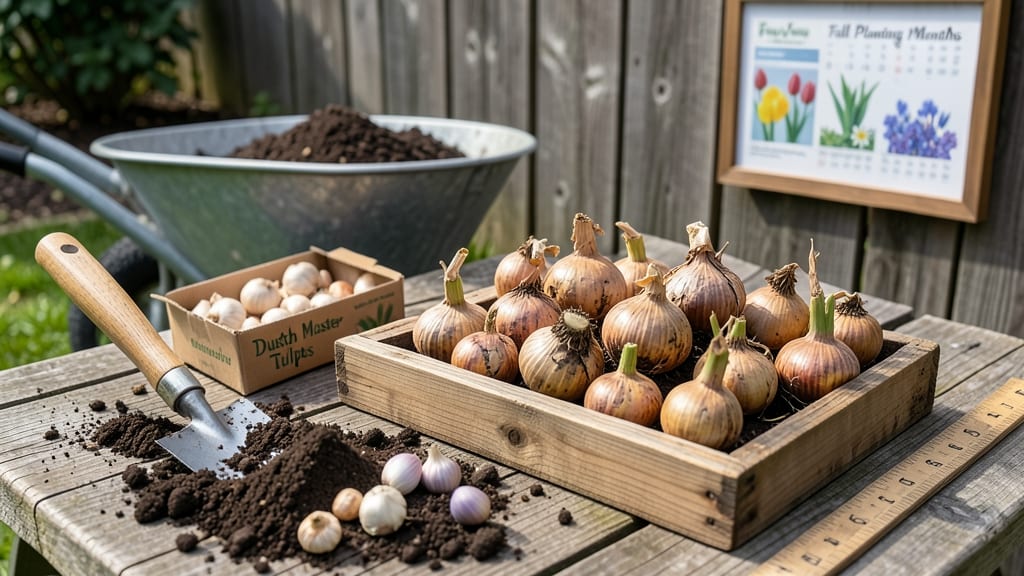
Planting bulbs in the garden at the right time ensures perfect blooms next spring, and timing it with the moon’s phases can make all the difference.
Did you know the moon’s phases can dramatically impact the success of your bulb garden? Planting at the wrong time can mean weak blooms—or no blooms at all.
In USDA Zone 6a, like many northern regions, fall is the ideal window—6 to 8 weeks before the first frost, typically late September to early October. But spring planting works too, just after the last frost date.
Below, I’ll walk you through the science-backed moon phases, climate adjustments, and 5 common mistakes that ruin bulb planting—so you can set yours up for vibrant, thriving flowers every season.
Best moon phases for planting bulbs by season (science-backed guide)
The moon’s gravitational pull affects plant growth in measurable ways, especially for bulbs like tulips and daffodils. Planting during the right lunar phases can boost root development and flower strength. Let’s break down the science and seasonal timing for your bulb garden.
Bulbs thrive when planted during the rooting phase (waxing moon) for fall planting or the flowering phase (waning moon) for spring. The gravitational pull during these phases encourages deeper root systems and stronger blooms. Here’s how to align your planting with the moon’s cycles.
| Season | Bulb Types | Best Moon Phase | Planting Window |
|---|---|---|---|
| Fall | Tulips, Daffodils, Hyacinths | Waxing Moon (Rooting Phase) | 6-8 weeks before first frost |
| Winter | Crocuses, Snowdrops | Waning Moon (Flowering Phase) | Late winter (Jan-Feb) |
| Spring | Alliums, Lilies | Waxing Moon (Rooting Phase) | After last frost |
| Summer | Rain Lilies, Caladiums | Waning Moon (Flowering Phase) | June-July |
For fall-planted bulbs like tulips and daffodils, aim for the waxing moon (after the new moon). This phase aligns with the bulb’s natural rooting cycle, ensuring stronger roots before winter dormancy. Plant them 6-8 weeks before frost for best results.
Winter bulbs such as crocuses and snowdrops should be planted during the waning moon (after the full moon) in late winter. These hardy bulbs benefit from the moon’s flowering phase, which promotes early blooms when conditions are ideal.
Spring planting for alliums and lilies should also occur during the waxing moon to encourage robust root growth. Wait until after the last frost date in your area, typically March-April in most regions.
Summer bulbs like rain lilies thrive when planted during the waning moon (June-July). This timing supports their flowering cycle, ensuring vibrant blooms when rainfall is plentiful. Choose a partial shade location to prevent overheating.
To maximize success, always plant bulbs 2-3 times deeper than their height. For example, a 2-inch bulb should be planted 4-6 inches deep. This depth protects them from temperature swings and pests while encouraging strong root development.
Use a moon phase calendar to track planting windows. Many gardening apps or lunar calendars provide real-time updates. For example, the waxing gibbous moon in October is perfect for planting fall bulbs in most climates.
Remember, soil moisture and drainage are critical. Bulbs rot quickly in soggy soil, so amend your garden beds with compost or sand if needed. A well-drained bulb-specific mix can make all the difference.
By aligning your planting with the moon’s phases, you’ll enjoy healthier bulbs and more vibrant blooms year after year. Happy planting! 🌱
How to adjust planting timing for your climate Zone (USDA map included)
Your USDA hardiness zone is the secret to unlocking the perfect planting window for bulbs. In Zone 3 (think Minnesota or Montana), you’ll plant fall bulbs like tulips and daffodils 6-8 weeks before the first frost—typically mid-September.
Meanwhile, in Zone 10 (Southern California or Florida), you can plant bulbs in December or January to avoid summer heat stress.
Coastal regions add another layer of complexity. Areas with mild winters (like Zone 9) may need spring planting for bulbs that can’t handle winter rains. Conversely, drought-prone zones (like Zone 7b in Arizona) benefit from deep watering right after planting to help bulbs establish roots before summer dry spells.
🌱
- Zones 3-5: Plant fall bulbs in September-October (6-8 weeks before frost). Spring bulbs go in April-May after last frost.
- Zones 6-8: Fall planting in October-November. Adjust for early frosts—plant 2 weeks earlier in Zone 6 vs. Zone 8.
- Zones 9-10: Plant fall bulbs in November-December or spring bulbs in January-February. Avoid summer heat.
- Coastal Zones: Shift planting 2-4 weeks later if winters are mild (e.g., Zone 9b in Oregon).
- Drought Zones: Water deeply after planting and mulch to retain moisture (critical in Zone 7b+).
Early frosts can derail even the best-laid plans. If your area has a history of unpredictable frosts (like Zone 4), opt for hardy bulbs like crocuses or alliums, which tolerate colder soils.
For late frosts (common in Zone 7), delay spring planting until mid-April to avoid frost damage to tender shoots.
Pro tip: Use your local cooperative extension service for frost date averages. For example, in Zone 5, the last frost date might be May 10, but in Zone 5b, it could be May 25. Adjust your planting calendar accordingly!
Don’t forget to account for soil temperature. Most bulbs need soil temps between 40°F and 60°F for root growth. In Zone 10, this means waiting until December when daytime highs drop below 75°F. Use a soil thermometer to check—it’s a game-changer for success.
🌿 With these adjustments, your bulbs will thrive year after year, no matter where you garden. Happy planting!