
Planting
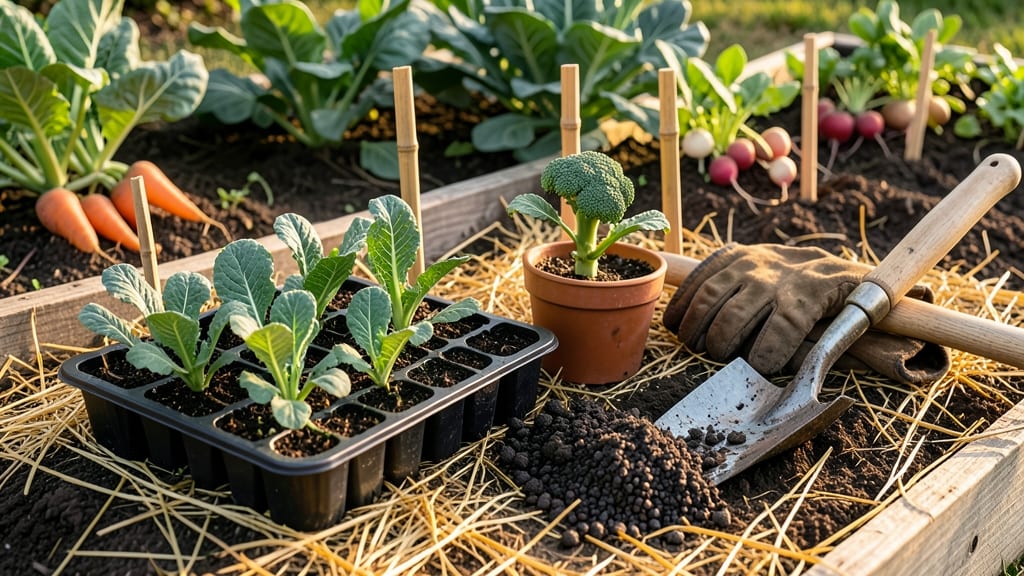
Planting a fall garden in Alabama means starting your seeds and seedlings 8 to 10 weeks before your first frost—typically between mid-July and early August for most of the state.
Alabama’s long, hot summers can make fall gardening a game-changer—but timing is everything. Plant too early, and your crops bolt in the heat; too late, and frost ruins your harvest.
Here’s your precise fall planting schedule for Alabama’s Zone 7B-8A, featuring heat-tolerant crops that thrive in the transition from summer to autumn.
Whether you’re growing heat-loving okra or cooler-season collards, knowing the exact window to get seeds in the ground is the key to a bountiful harvest.
We’ll break down the best planting dates for each crop, soil prep tips, and how to stretch your growing season just a little longer before frost sets in.
Discover how to avoid common mistakes, extend your harvest with succession planting, and tailor your schedule to your specific corner of Alabama—whether you’re in Birmingham’s Zone 7B or Mobile’s Zone 8A.
Best fall planting dates for Alabama’s heat-tolerant vegetables (zone 7B-8A)
Alabama’s fall gardening season offers a perfect window for growing heat-tolerant vegetables that thrive in warm soil but can handle cooler temperatures. Unlike spring planting, fall gives you a second chance to grow crops like okra, sweet potatoes, and collards without the summer heat stress.
The key is planting at the right time to avoid early bolting or frost damage.
Northern Alabama (Zone 7B) typically experiences its first frost around November 15-20, while southern Alabama (Zone 8A) can extend harvests until December 1-10. Understanding these dates helps you time your plantings for maximum yield.
For example, turnips and radishes need 45-60 days to mature, so planting them too late in October risks frost before harvest.
Soil temperature is just as critical as air temperature. Most fall vegetables prefer soil temps between 60°F and 85°F for germination. In Alabama, soil stays warm enough for planting until late September in most regions.
Use a soil thermometer to check—if temps drop below 60°F, wait a week or two before sowing seeds.
Here’s your month-by-month planting timeline for Alabama’s heat-tolerant fall crops, including spacing and care tips to ensure success:
For okra and sweet potatoes, start planting in late July to take advantage of warm soil. These crops love heat but need time to mature before temperatures drop. Collards and turnips can handle cooler soil, making them ideal for late August or September plantings.
If you’re in northern Alabama, prioritize faster-maturing varieties like ‘Purple Top White Globe’ turnips (35 days) to avoid frost.
Spacing is critical for airflow and disease prevention. For example, okra plants need 12-18 inches between them to avoid overcrowding, while radishes can be sown just 2-3 inches apart in tight rows.
Always follow seed packet guidelines, but adjust for Alabama’s humidity—closer spacing can lead to powdery mildew if airflow is poor.
Watering shifts in fall as temperatures drop. In September, water deeply 2-3 times per week to encourage root growth, but reduce to once weekly in October unless rain is scarce. Always water in the morning to prevent fungal diseases like downy mildew, which thrives in damp leaves at night.
Watch for first-frost warnings from the Alabama Extension service. In Zone 7B, protect tender crops like southern peas with row covers or lightweight frost cloth if frost is forecasted before harvest.
In Zone 8A, you may have time for a second planting of radishes or spinach in late October.
Don’t forget to amend your soil with compost or aged manure before planting. Alabama’s clay-heavy soils benefit from organic matter to improve drainage and nutrient retention. A soil test from your local Extension office can reveal if your garden needs lime (for brassicas) or sulfur (for sweet potatoes).
With this timeline, you’ll avoid the pitfalls of planting too early (heat stress
How to extend your Alabama fall garden with succession planting
Alabama’s short fall growing season demands smart strategies to squeeze every harvest out of your garden. Succession planting—the practice of staggering plantings—lets you keep fresh produce coming until frost.
For example, I’ve extended my fall harvest by 30% or more using this method with fast-growing crops like radishes and bush beans.
Start by focusing on cool-season crops that mature quickly, such as lettuce, spinach, and turnips. These thrive in Alabama’s 60-70°F soil temperatures and can be planted every 2-3 weeks after your initial seeding.
The key is timing: begin your first round of plantings in mid-August for northern Alabama or early September in southern regions.
Here’s your step-by-step guide to maximizing fall yields with succession planting:
Don’t overlook microgreens and green onions—they’re perfect for quick succession plantings. I’ve seen gardeners harvest microgreens every 7-10 days by sowing new batches in small trays or containers. This method works well even in limited spaces like balconies or windowsills.
Monitor your garden closely for signs of bolting (premature flowering) or leaf curl, which can signal stress from heat or drought. If temperatures dip unexpectedly, use row covers to protect tender seedlings. In my experience, a lightweight frost blanket can extend the season by 2-3 weeks in northern Alabama.
By combining succession planting with smart crop selection and care, you’ll turn Alabama’s short fall window into a bounty of fresh, homegrown produce—just in time for holiday meals and winter storage.
Start small, keep records, and adjust your timing based on your local microclimate for the best results. Happy planting! 🌱