
Planting
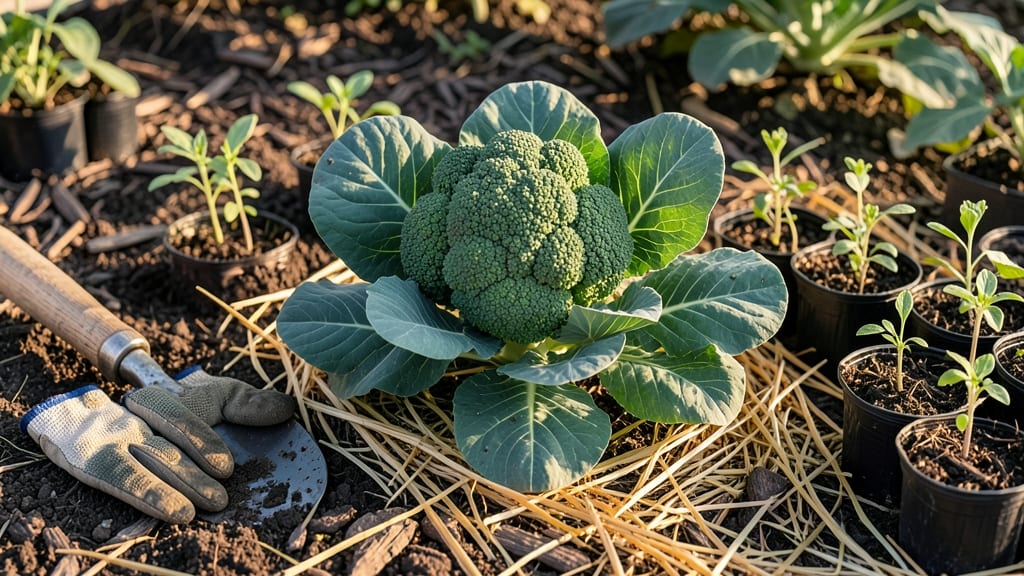
Planting a fall garden in North Texas between mid-August and early October sets you up for a bountiful harvest before the first frost 🌱 — but miss the window, and you’ll either scorch your seedlings or watch them freeze.
North Texas gardeners know the fall season can deliver some of the most rewarding harvests—but timing is everything. Plant too early, and your crops will bolt in the lingering summer heat; too late, and frost will ruin your efforts before you even taste the rewards.
This isn’t just about dates, though. It’s about understanding your zone—whether you’re in 8a or the slightly warmer 7b—and how soil temperature, rainfall, and even your yard’s microclimates play a role. Skip the guesswork, and you’ll avoid the heartbreak of wasted seeds or stunted plants.
Below, I’ll walk you through the exact planting schedule for cool-season crops like kale, carrots, and broccoli, plus proven tricks to extend your harvest well into winter—without the common mistakes that derail so many gardens.
North Texas fall planting calendar by Zone (7b vs 8a)
North Texas’ fall gardening window is short but sweet—typically spanning from mid-August to early October. However, the exact timing differs between USDA Zone 7b (cooler) and Zone 8a (warmer), with heat retention patterns playing a critical role.
In Zone 7b, nights cool faster, while Zone 8a holds onto heat longer, delaying the ideal planting window by 1-2 weeks.
To maximize yields, I focus on cool-season crops like leafy greens, brassicas, and root vegetables, which thrive in North Texas’ 55°F–75°F temperature range.
The key is planting 6–8 weeks before the first frost—usually November 15 in Zone 7b and November 22 in Zone 8a—but adjusting for microclimates like urban heat islands or elevated garden beds.
For Zone 7b, I prioritize early planting—starting leafy greens from seed in mid-August and transplanting broccoli seedlings by September 1. The cooler nights help prevent bolting, while mulching with straw retains moisture as daytime temps linger in the 80s°F.
In Zone 8a, I delay seeding by 1–2 weeks to avoid heat stress, often using shade cloth for early transplants.
One of my biggest mistakes was planting spinach too late in Zone 8a—it bolted before producing usable leaves.
Now, I stick to the October 8 cutoff for most greens in warmer microclimates. Succession planting every 2 weeks after the initial window ensures a steady harvest, especially for radishes and lettuce, which mature quickly.
Soil prep is non-negotiable.
Top 5 fall crops for North Texas gardens (and how to extend their season)
Fall gardening in North Texas offers a perfect opportunity to grow cold-hardy vegetables that thrive in cooler temperatures. The key to success lies in selecting the right crops and extending their season with simple techniques.
My top 5 picks—kale, broccoli, carrots, radishes, and spinach—are proven winners for zones 7b-8a, delivering flavorful harvests well into winter.
These crops not only survive light frosts but often taste sweeter after a frost. For example, kale and spinach become more tender and flavorful when exposed to 25-30°F temperatures.
Meanwhile, broccoli and carrots can be harvested for months if protected from hard freezes. Radishes, with their quick maturity, are perfect for succession planting every 2-3 weeks.
🌱
- 📅 Plant kale and spinach by mid-August for a fall harvest, using row covers to extend growth into December.
- 🥬 Broccoli seedlings should be transplanted by late August to mature before frost, with succession plantings every 3 weeks for continuous harvests.
- 🥕 Carrots thrive when sown by early September in well-drained soil; thin seedlings to 2-3 inches apart for optimal root development.
- 🌱 Radishes are the fastest option—sow every 2 weeks from mid-August to October for a steady supply until frost.
- ❄️ Use floating row covers or low tunnels to protect crops from 28°F+ frosts and extend the season by 4-6 weeks.
To maximize your fall harvest, focus on succession planting—especially for radishes and lettuce—which allows you to stagger plantings every 2-3 weeks. This ensures a continuous supply of fresh produce without overwhelming your garden at once.
For example, I plant radishes every 10 days in August and September, guaranteeing a harvest every 3-4 weeks until frost.
Another game-changer is using row covers or cold frames to shield tender crops from early frosts. A simple floating row cover can raise soil temperatures by 5-10°F, protecting plants like spinach and kale from damage.
For even longer protection, consider a low tunnel with clear plastic—this can extend your harvest window by 6-8 weeks in North Texas’ mild winters.
Don’t forget to harden off seedlings before transplanting. Gradually expose them to outdoor conditions over 7-10 days to prevent shock. This is especially critical for broccoli and cabbage, which are more sensitive to temperature fluctuations.
I always start hardening off my seedlings in late July to ensure they’re ready for their August transplant date.
With these techniques, you can enjoy fresh homegrown vegetables well into December—long after most gardens have gone dormant. The secret lies in timing, protection, and succession planting, all tailored to North Texas’ unique climate. Happy gardening! 🌿