
Planting
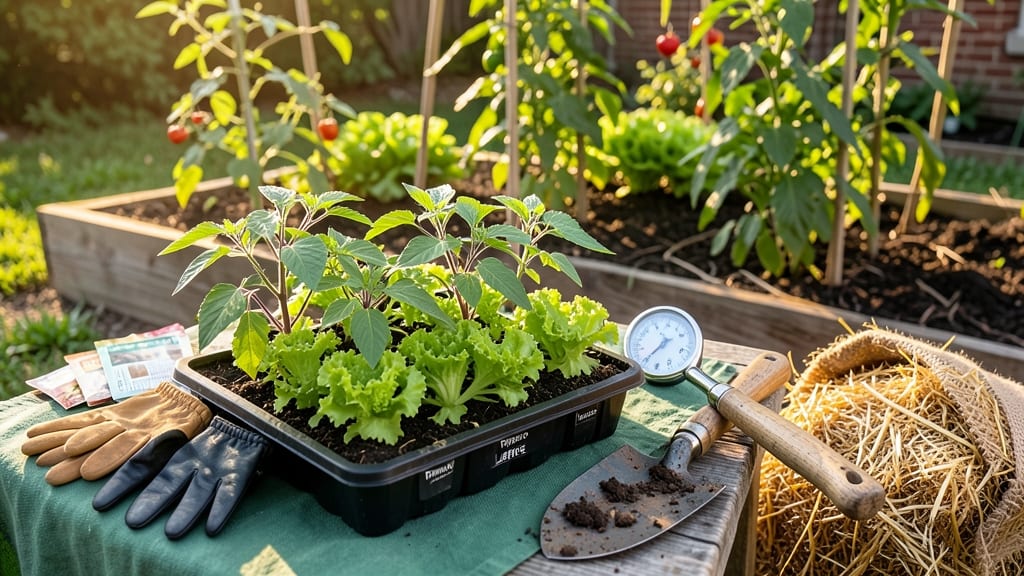
To plant a garden in Alabama, timing depends on your USDA zone—Zone 7A’s last frost can hit as late as March 15, while Zone 8B often stays frost-free by February.
Alabama’s warm climate means gardeners can grow year-round—but timing is everything to avoid frost damage and maximize yields. Whether you’re in colder Zone 7A or milder Zone 8B, planting at the wrong time can turn your green thumb into a waiting game.
Cool-season crops like spinach and broccoli thrive when planted 4-6 weeks before the last frost, while tomatoes and peppers need to wait until soil warms to at least 60°F. Below, I’ll break down the best months for each zone, plus pro tips to stretch your growing season.
You’ll discover how to use row covers, adjust for Alabama’s unpredictable spring rains, and pick the right varieties for your microclimate—whether you’re in urban Birmingham or rural Mobile.
Alabama planting calendar by zone: frost dates and optimal start times
Alabama’s USDA Zones 7A and 8B offer gardeners a unique advantage: an extended growing season that lets you plant almost year-round. But even here, frost dates and soil temperatures dictate success.
In Zone 7A (northern AL), expect your average last frost around March 15, while Zone 8B (southern AL) typically sees frost-free conditions by February 28. These dates aren’t set in stone—microclimates, elevation, and weather patterns can shift them by weeks.
For cool-season crops like lettuce and broccoli, I start seeds indoors 6-8 weeks before your local last frost date. In Zone 7A, that means mid-January for early varieties, while Zone 8B gardeners can begin as early as December.
Warm-season plants like tomatoes and peppers, however, need soil temperatures above 60°F—a threshold usually met by mid-April in Zone 7A and early March in Zone 8B.
| Zone | Last Frost | First Frost | Cool-Season Start | Warm-Season Start | Heat-Tolerant Crops |
|---|---|---|---|---|---|
| 7A (North AL) | March 15 | November 15 | Jan 15 - Feb 15 | April 15 - May 1 | Okra, Sweet Potatoes, Southern Peas |
| 8B (South AL) | February 28 | December 1 | Dec 1 - Jan 15 | March 1 - March 15 | Tomatoes, Peppers, Eggplant |
My go-to strategy for Alabama gardeners is to plant cool-season crops in fall and early spring, then transition to warm-season plants by late March. For example, I sow spinach and kale in September-October for a winter harvest, then switch to tomatoes and basil once soil warms.
Zone 8B gardeners can even grow winter greens like collards year-round with minimal protection.
Don’t overlook succession planting—it’s how I stretch my growing season. After harvesting early bush beans in June, I replant with okra or southern peas, which thrive in Alabama’s summer heat.
This tactic keeps my garden productive from February to November without gaps. For herbs like cilantro, I plant every 2-3 weeks in spring and fall to ensure a steady supply.
Alabama’s extended growing season also allows for fall planting of warm-season crops. In Zone 7A, I direct-sow cantaloupe and watermelon in late April for a summer harvest, then replant broccoli and cabbage in August for a fall crop.
Zone 8B gardeners can push this even further, planting winter squash as late as June for a late-summer harvest.
One critical mistake I’ve seen Alabama gardeners make is ignoring soil temperature. A soil thermometer is my best friend—warm-season seeds won’t germinate below 60°F, and cool-season crops can bolt if soil is too warm.
In Zone 7A, I wait until mid-April to plant tomatoes, even if air temperatures seem warm. Patience here means stronger plants and higher yields.
For flowers and perennials, timing matters too. I plant daylilies and black-eyed Susans in early spring (March-April) so they establish roots before summer heat. Annuals like marigolds can go in after last frost, but I often start them indoors in February for an earlier bloom.
In Zone 8B, I even overwinter tender perennials like elephant ears with mulch to protect them from rare cold snaps.
If you’re new to Alabama gardening, start with heat-tolerant varieties like ‘Celebrity’ tomatoes or ‘Georgia Southern’ peppers, bred to handle our summers. For cool weather, ‘Winterbor’ kale and ‘Blue Lake’ bush beans are reliable choices.
Always check the Alabama Cooperative Extension for localized advice, as microclimates—like urban heat islands—can shift planting windows by 2-3 weeks.
Remember, Alabama’s frost-free season is long, but don’t let it lull you into complacency. Even Zone 8B can see unexpected frosts in December. I keep row covers handy to protect tender seedlings and use cold frames to extend early spring planting.
Best crops to plant in Alabama’s early vs. late season: what thrives when
Alabama’s mild winters and long summers create a unique growing window where cool-season crops thrive in early spring and fall, while warm-season staples dominate summer. In Zone 7A, early plantings start as early as February, while Zone 8B gardeners can extend harvests into December with the right choices.
The key is matching crops to Alabama’s two distinct planting seasons—and knowing which varieties handle our humidity best.
For cool-season crops, think spinach, broccoli, and peas—these love Alabama’s 50-65°F soil temps in early spring and fall. Meanwhile, tomatoes, peppers, and okra crave the 75-90°F heat of summer.
But here’s the twist: succession planting lets you squeeze extra harvests from both seasons, especially in urban areas where microclimates create warmer pockets for late plantings.
| Crop Type | Alabama Varieties | Planting Window | Succession Tip |
|---|---|---|---|
| Cool-Season | 'Florida Broadleaf' spinach, 'Waltham 29' broccoli, 'Oregon Sugar Pod' peas | Feb-Mar (Zone 7A) / Jan-Feb (Zone 8B) | Sow every 2 weeks until April |
| Warm-Season | 'Celebrity' tomatoes, 'Jupiter' peppers, 'Clemson Spineless' okra | Apr-May (after last frost) | Plant heat-tolerant varieties in July |
| Fall Extenders | 'Black Seeded Simpson' lettuce, 'Sugar Ann' bush beans | Aug-Sept (60 days before first frost) | Use row covers for 2-week extension |
Urban gardeners in Birmingham or Huntsville (Zone 7A) should focus on fast-maturing varieties like 'Early Girl' tomatoes or 'Sugar Snap' peas, which can handle cooler nights.
Meanwhile, Mobile or Gulf Coast growers (Zone 8B) can push limits with year-round greens like kale or collards, planting as late as October for winter harvests. The trick? Soil temperature—cool-season crops need 40-50°F soil, while warm-season plants won’t germinate below 60°F.
For succession planting, try the 3-week rule: after harvesting early bush beans or radishes, replant with carrots or turnips in the same spot. This works especially well in container gardens or small urban plots where space is tight.
Just remember: okra and sweet potatoes are Alabama’s secret weapons for late summer—plant them in June for harvests through October.
One common mistake? Planting tomatoes too early in Zone 7A. Wait until mid-April when soil temps hit 65°F, or use black plastic mulch to warm the ground faster. In Zone 8B, peppers can handle light frosts, but protect them with row covers if temps drop below 30°F.
The payoff? A 12-month growing season with minimal waste.
Pro tip: Alabama Extension’s Planting Calendar (available here) lists local frost dates by county—bookmark it! And if you’re unsure about your microclimate, test soil temps with a digital thermometer before planting. With the right timing, you’ll turn Alabama’s humid heat into a harvest goldmine. 🌱