
Planting
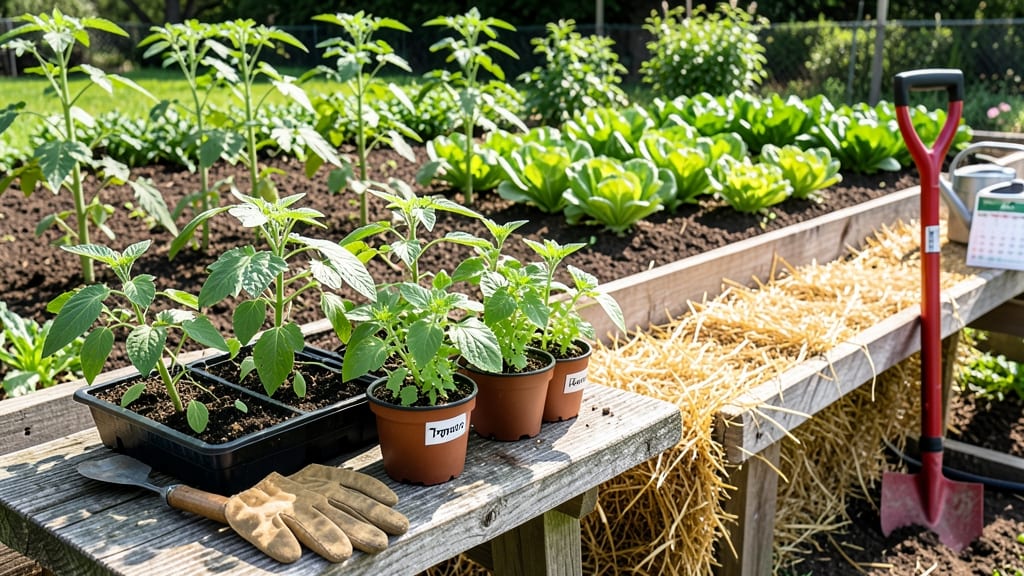
Planting your garden in Kentucky at the right time means the difference between a thriving harvest and a sad, wilted disappointment—especially when frost can sneak in like a thief.
Kentucky’s unpredictable frost patterns can turn a gardener’s dream into a disappointing failure—or transform your harvest into a thriving success.
Timing your planting just right means the difference between wilting seedlings and a bountiful garden, so let’s break down the exact windows you need to know for every region and plant type in the Bluegrass State.
From the rolling hills of Northern Kentucky to the warmer valleys of the South, each area has its own frost schedule. Cool-season crops like lettuce and peas need to go in early, while tomatoes and peppers demand warmer soil.
Missing the window by even a week can leave you scrambling to protect tender greens or watching your summer crops bolt in the heat.
In this guide, I’ll walk you through the last frost dates by region, the best months to plant everything from flowers to vegetables, and how to adjust for microclimates—so you can finally get that garden you’ve been dreaming of, without the guesswork.
Kentucky’s last frost dates by region: when to plant cool-season vs warm-season crops
Kentucky’s diverse geography—from the Appalachian foothills in the east to the Mississippi River Valley in the west—creates microclimates that shift last frost dates by weeks. Northern counties like Henderson average April 15 for their last frost, while southern areas near Paducah often see March 20.
These variations mean your cool-season crops might thrive in one region but fail in another.
Understanding these patterns helps you time spring planting perfectly for lettuce, peas, and spinach while avoiding frost damage to tomatoes and peppers. Warm-season plants need soil temperatures above 60°F, which typically arrives 2-4 weeks after the last frost.
Let’s break down your region’s specifics to plan like a pro.
Pro Tip: Use frost-free date calculators (like the National Weather Service) for your exact ZIP code—urban areas like Louisville can be 5°F warmer than rural spots just 10 miles away. This heat island effect delays frost and extends your growing season.
For cool-season crops like kale and broccoli, start seeds 4–6 weeks before your region’s last frost. In Northern Kentucky, that’s mid-February, while Southern Kentucky gardeners can begin as early as January.
These plants handle light frosts (down to 25°F) but bolt if temperatures climb above 75°F.
Warm-season crops—think cucumbers, squash, and okra—need consistent warmth. Wait until soil temperatures hit 60°F+ (use a soil thermometer to check) and nighttime lows stay above 50°F. In Central Kentucky, this usually aligns with mid-April, but urban Louisville might be ready 2 weeks earlier.
Fall planting follows the reverse logic: cool-season crops can go in 8–10 weeks before your first frost (typically October 31–November 15). Southern Kentucky has until November 1, while Northern regions must wrap up by October 15 to avoid frost damage.
Elevation plays a huge role: Areas like Pikeville (eastern KY) can see frosts 2 weeks later than Bowling Green due to higher altitudes. If you’re near mountains or valleys, adjust your planting window conservatively—better to wait a week too long than lose your seedlings.
Don’t forget succession planting! For leafy greens, sow new seeds every 2 weeks after your last frost to ensure a steady harvest. And if unexpected late frosts hit (they do!), cover tender plants with frost cloth or row covers for protection.
With these regional guidelines, you’ll avoid the heartbreak of frost-nipped seedlings and instead enjoy a bountiful, timed-perfect harvest. Happy planting! 🌱
Best planting schedule for Kentucky gardens: month-by-month guide by vegetable type
Kentucky’s gardening season isn’t one-size-fits-all—each vegetable has its own ideal window, whether you’re starting from seed or transplanting. Cool-season crops like lettuce and peas thrive in early spring or fall, while warm-season favorites such as tomatoes and peppers need the soil to warm up first.
Missing these windows can mean stunted growth or bolting, so let’s dive into the exact months for your most-loved plants.
For Northern Kentucky (USDA Zones 6a-6b), aim for late April to early May for warm-season transplants, while Southern Kentucky (Zones 7a-7b) can start as early as mid-April. Central Kentucky falls in between, with early May being the sweet spot.
Always check your local last frost date—a late frost can turn your tender seedlings into sad, frozen memories.
If you’re growing cool-season crops like spinach or kale, don’t wait until spring—get them in the ground in early March for a head start. These plants can handle light frosts, but avoid planting too early when soil is still cold and soggy.
For warm-season crops, wait until the soil reaches at least 60°F—a simple soil thermometer can save you from failed plantings.
For succession planting, think of it like a relay race: as soon as you harvest one batch of lettuce or radishes, sow another round. This keeps your garden productive all season long.
For example, plant bush beans every 2 weeks from May to July to ensure a steady supply. And if you’re short on space, trellis vining plants like cucumbers and pole beans to maximize your garden’s potential.
Adjust for microclimates—your backyard might be warmer than your neighbor’s due to sun exposure or urban heat. If you notice your garden warms up faster, you can plant warm-season crops slightly earlier.
Conversely, if your spot is chilly, wait a few extra days before planting heat-lovers like tomatoes or peppers. Always keep an eye on your plants and be ready to cover them with row fabric if frost is forecasted.
With this schedule, you’ll avoid the heartbreak of bolting lettuce or stunted tomatoes and instead enjoy a garden that’s thriving from spring to fall. Happy planting—your future harvest will thank you! 🌱