
Planting
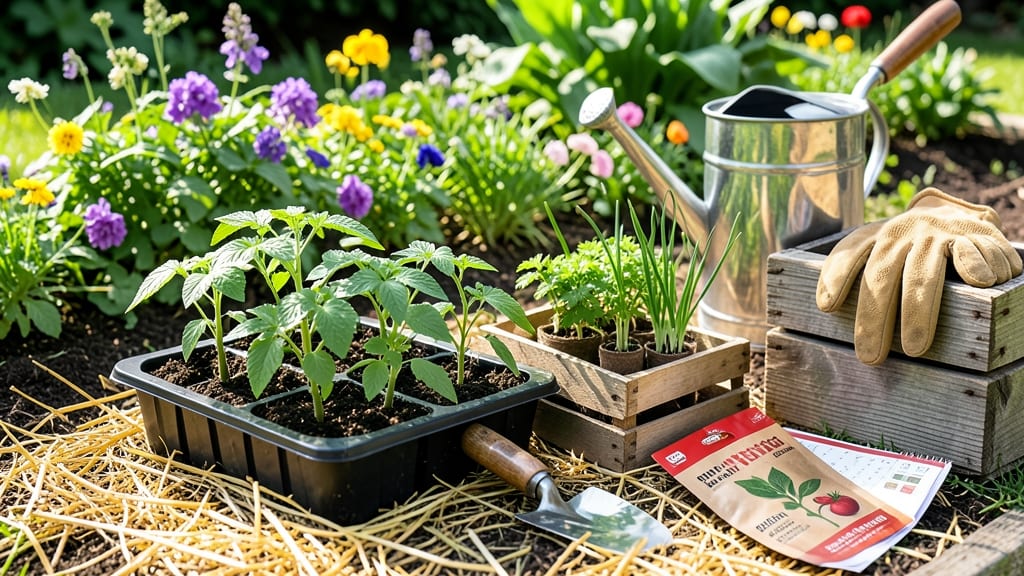
Planting a garden in Michigan at the right time means the difference between a bountiful harvest and a frost-killed disappointment.
Michigan’s unpredictable spring weather can turn a gardener’s dream into a frost-burned nightmare—unless you know the exact frost-free dates for your zone. Planting too early risks losing seedlings to late frosts, while waiting too long shortens the growing season for heat-loving crops like tomatoes and peppers.
The key is timing: cool-season plants like spinach and peas need to go in 4-6 weeks before your last frost, while warm-season staples should wait until 2-3 weeks after.
In USDA Zones 5b-6b, most of Michigan’s frost-free date falls between mid-April and early May, but this varies by region. Northern areas (like the Upper Peninsula) may face frost as late as mid-May, while southern zones (like Detroit) can start planting by late April.
Fall planting is another opportunity—think late August to mid-September for cool-season crops to thrive before winter sets in.
Below, I break down the perfect planting windows for Michigan’s most popular 🌱 General Garden Plants, including soil prep tips, frost-proofing tricks, and how to adjust for late springs or early falls.
Whether you’re a first-time gardener or a seasoned pro, mastering these dates will help you grow more—and waste less.
Michigan’s frost-free dates by USDA hardiness zone: when to plant vegetables and flowers
Michigan’s USDA hardiness zones 4a–6b create a diverse gardening landscape, where last frost dates can vary by 2–3 weeks from north to south. Knowing your zone’s frost-free window is critical—planting tomatoes too early in Zone 4a risks frost damage, while Zone 6b gardeners can push the season longer.
Below, I break down 5-year averages for last spring frost and first fall frost, plus planting windows for your favorite crops.
For cool-season vegetables like spinach and peas, I recommend starting seeds 4–6 weeks before your last frost date. Meanwhile, warm-season crops such as tomatoes and peppers need soil temperatures above 50°F—typically 2–3 weeks after the last frost.
Use these zone-specific guidelines to align your planting with Michigan’s unpredictable spring and early autumn frosts.
Pro Tip: Bookmark this guide and check local weather forecasts 1–2 weeks before your average last frost. Late frosts in Zone 5 happen 30% of years, so having a row cover ready can save your cabbage or broccoli seedlings.
| USDA Zone | Avg. Last Frost | Avg. First Frost | Cool-Season Planting | Warm-Season Planting | Frost-Free Days |
|---|---|---|---|---|---|
| 4a (Upper Peninsula) | May 15 | Sept 25 | Apr 1–May 1 | May 25–Jun 5 | 132 |
| 4b (Northern Lower) | May 5 | Oct 5 | Mar 25–Apr 15 | May 15–May 25 | 153 |
| 5a (Central) | May 1 | Oct 10 | Apr 1–Apr 15 | May 10–May 20 | 162 |
| 5b (Southern) | Apr 25 | Oct 15 | Mar 15–Apr 1 | May 1–May 10 | 173 |
| 6a (Thumbs Region) | Apr 20 | Oct 20 | Mar 1–Mar 15 | Apr 25–May 5 | 183 |
| 6b (Southeast) | Apr 15 | Oct 25 |
How to adjust planting dates for Michigan’s unpredictable weather patternsMichigan’s late spring frosts and unpredictable soil temperatures can throw off even the most experienced gardener. I’ve learned the hard way that planting too early—even by a few weeks—can mean frost-damaged seedlings or stunted growth. The key is flexibility: adjusting your planting dates based on real-time conditions rather than relying solely on average frost dates. Start by monitoring soil temperatures with a soil thermometer. Most warm-season crops like tomatoes and peppers need soil to stay above 55°F (13°C) for at least a week before planting. In northern Michigan, this often means waiting until late May, while southern regions can plant as early as mid-April. Use this as your baseline, but always be ready to adjust. ⚠️ callout-warning
⚠️ Common Mistake: Planting Too Early
Even if your last frost date is May 15th, a late frost in early May can wipe out your seedlings. Wait until nighttime temperatures consistently stay above 40°F (4°C) for at least 5-7 days before planting tender crops. For extra protection, use row covers or a cold frame to extend your planting window by 2-4 weeks. Pro Tip: Sign up for local frost alerts from your Cooperative Extension Service or use apps like Frost Alert to stay ahead of surprises. One strategy I swear by is the ‘10-day rule’ for transplanting. If you’re moving seedlings from indoors or a greenhouse, wait 10 days after your average last frost date to harden them off. This gives plants time to acclimate to outdoor conditions and reduces shock. For example, if your last frost is May 10th, don’t transplant until May 20th—even if your soil is warm. For fall crops, extend your growing season by planting heat-tolerant varieties like kale, Swiss chard, or radishes in early August. These can handle light frosts and often produce sweeter flavors after a light frost. Use black plastic mulch to keep soil warm longer and row covers to protect against early fall frosts, which can arrive as early as September in northern Michigan. Heatwaves are another challenge. If a sudden heatwave hits after planting, shade tender seedlings with shade cloth or move containers to partial shade. Overwatering in hot weather can lead to root rot, so focus on deep, infrequent watering in the early morning to keep roots cool. I’ve also had success using drip irrigation to deliver water directly to the soil without wetting foliage. Finally, keep a gardening journal to track your adjustments each year. Note which planting dates worked best, when frosts hit unexpectedly, and how soil temperatures varied. Over time, you’ll build a customized planting calendar tailored to your microclimate—whether you’re in Detroit, Traverse City, or the Upper Peninsula. The more you adapt, the more resilient your garden becomes. 🌱 |