
Planting
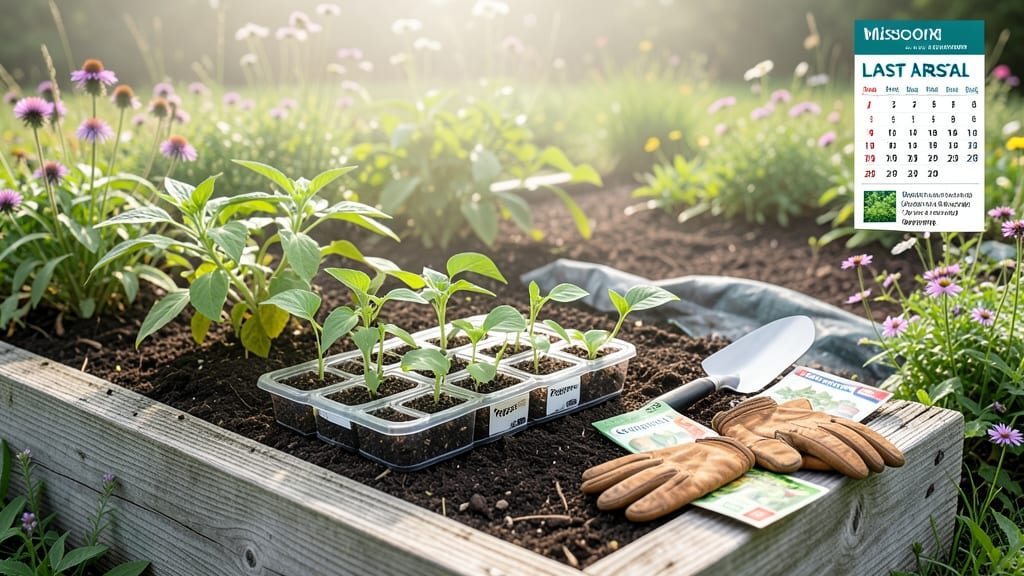
Planting your garden in Missouri after the last frost—typically around April 15—sets the stage for a thriving harvest, but timing is everything in the Show-Me State.
Missouri’s unpredictable climate can make or break your garden—planting at the wrong time means stunted growth or total failure, while timing it right guarantees a bountiful harvest. Here’s your zone-by-zone guide to mastering the perfect planting schedule for General Garden Plants (Missouri) 🌱.
From cool-season crops like spinach and peas to warm-season favorites like tomatoes and peppers, knowing when to start seeds indoors or transplant seedlings outdoors makes all the difference.
Whether you’re in Zone 5b or Zone 6b, missing the window by even a few days can mean the difference between a garden that flourishes and one that fizzles.
Below, I break down the exact dates for spring and fall planting, soil prep tips, and how to adjust for Missouri’s microclimates—so you can grow with confidence, no matter what Mother Nature throws your way.
Missouri planting zones: key dates by last frost & hardiness
Missouri spans USDA zones 5b through 7a, meaning frost dates vary dramatically from north to south. In zone 5b (northern MO), the average last frost arrives around April 15, while zone 7a (southern MO) sees its last frost by March 15.
These differences mean warm-season crops like tomatoes and peppers can go in weeks earlier in the south than the north.
Understanding your specific frost dates is critical because planting too early risks frost damage, while waiting too long shortens the growing season.
For example, cool-season crops like spinach and kale thrive when planted 4-6 weeks before your last frost, while warm-season crops need soil temperatures above 60°F to germinate properly.
Here’s your zone-by-zone breakdown of average last/first frost dates and ideal planting windows for Missouri’s most popular garden plants:
| Zone | Avg Last Frost | Avg First Frost | Cool-Season Planting | Warm-Season Planting |
|---|---|---|---|---|
| 5b (North) | April 15 | October 20 | March 15 - April 15 | May 1 - May 31 |
| 6a (Central) | April 1 | October 15 | March 1 - April 1 | April 15 - May 15 |
| 6b (South-Central) | March 25 | October 10 | February 28 - March 28 | April 1 - May 1 |
| 7a (Southwest) | March 15 | October 5 | February 15 - March 15 | March 15 - April 15 |
Dates are averages—always monitor local forecasts for adjustments
Urban gardens in cities like St. Louis (zone 6b) often experience earlier last frosts than rural areas due to the urban heat island effect. Conversely, microclimates near lakes or hills may delay frost by 1-2 weeks.
To account for this, I recommend planting cool-season crops 2 weeks early in urban zones and delaying warm-season crops 1 week in cooler microclimates.
For warm-season vegetables like tomatoes, peppers, and squash, aim to plant 2-3 weeks after your last frost date. These plants won’t tolerate frost, so rushing them risks stunted growth or death.
A simple soil thermometer ($10 at garden centers) helps confirm when temps hit 60°F+—the ideal range for germination.
Missouri’s fall planting window runs from August 1 to September 30, with zone 7a having the longest season. Plant cool-season crops like broccoli, carrots, and lettuce 6-8 weeks before your first frost for a harvest before winter.
In zone 5b, this means late August plantings for a September-October harvest.
Herbs like basil and cilantro thrive in Missouri’s spring and fall but bolt (go to seed) in summer heat. I plant basil in May and again in late August to avoid this.
Similarly, perennial flowers like coneflowers and black-eyed Susans should be planted in spring or early fall for best root establishment before winter.
Pro tip: Use row covers to extend your spring planting by 2-4 weeks in cooler zones. These lightweight fabrics protect seedlings from late frosts while allowing sunlight and water through. Just remove them when temps stay above 50°F consistently.
Missouri’s unpredictable weather means your garden’s success hinges on flexibility. Always have a 3-week buffer for both spring and fall plantings to account for late frosts or early heat waves. Start with fast-growing crops like rad
How to adjust planting times for Missouri’s unpredictable weather
Missouri’s weather can shift from freezing overnight to 90°F heatwaves in a matter of days, leaving gardeners scrambling to adjust planting schedules. The key to success is building flexibility into your plan—using frost-tolerant varieties and protective tools like row covers.
I’ve learned that adding a 3-4 week buffer around traditional planting dates can save your crops from late spring cold snaps or early fall frosts.
Start by checking soil temperatures with a thermometer—most vegetables need soil to be at least 60°F before planting. In Missouri, this often means waiting until mid-April to early May for warm-season crops like tomatoes and peppers, even if the air feels warm.
I always test soil temperature for 3 consecutive days before committing to planting, as a single warm day doesn’t guarantee safety.
- 1. Extend spring with row covers or cold frames for spinach, kale, and lettuce—these can handle 20°F temps with protection.
- 2. Plant frost-tolerant varieties like broccoli, Brussels sprouts, and peas 4-6 weeks before your average last frost date (typically April 15 in most of Missouri).
- 3. Use a 3-4 week buffer for warm-season crops—if your zone’s last frost is April 15, wait until May 1-15 to plant tomatoes, peppers, and cucumbers.
- 4. Monitor late-season heat—Missouri’s September heatwaves can stress plants; opt for heat-tolerant varieties like Okra or Malabar spinach for fall planting.
- 5. Harvest before frost—most cool-season crops (like carrots and beets) can survive light frosts but become woody or bitter if left too long.
For late-season planting, focus on fast-maturing varieties that can produce harvests before the first frost (usually mid-October). I’ve had great success with bush beans and zucchini planted in early August—they mature quickly enough to avoid frost damage.
Always check your local Missouri Climate Center for updates on unseasonable weather patterns, as they often provide 7-10 day forecasts that can guide your planting decisions.
Don’t forget about microclimates—urban areas often warm up faster than rural zones, while low-lying spots can stay colder longer. I’ve seen sidewalk gardens in St. Louis sprout weeks before rural farms in the Ozarks.
Use these microclimates to your advantage by planting heat-loving crops in warm pockets and cool-season crops in shaded or elevated areas.
Finally, keep a gardening journal to track which adjustments worked best in your specific location. Note the exact dates you planted, any unusual weather events, and how your crops performed. Over time, you’ll develop a personalized planting schedule that beats Missouri’s unpredictable weather every time.