
Planting
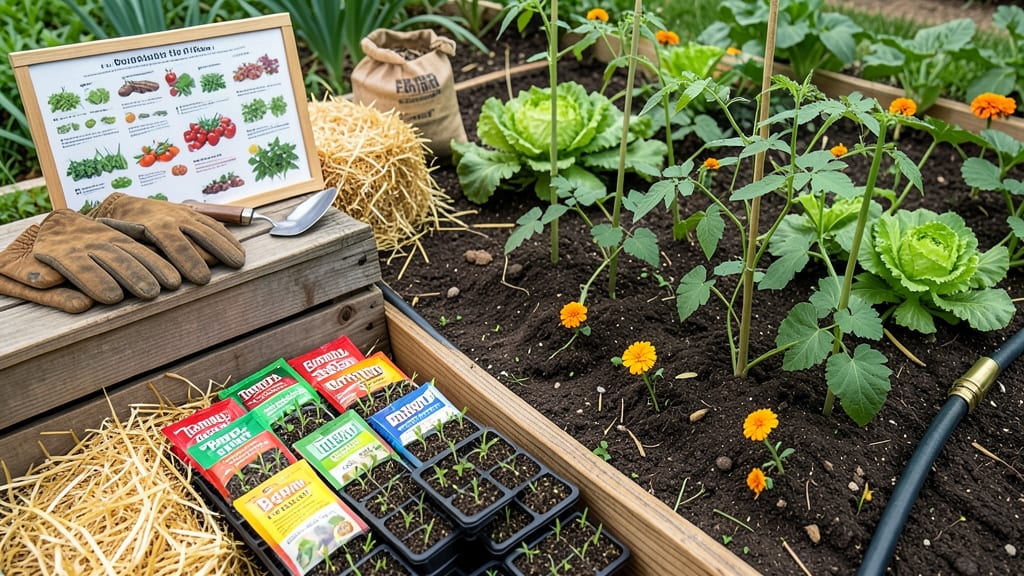
Planting a vegetable garden in Missouri at the right time means the difference between a bountiful harvest and a sad, wilted disappointment.
Missouri’s climate swings from bone-chilling winters to scorching summers, and getting the timing wrong can leave you with bolting lettuce or frozen tomato seedlings. Whether you’re in the cooler north or the warmer southern regions, the last frost date and soil warmth are your best guides.
Cool-season crops like peas and spinach love the early spring chill, while tomatoes and peppers need to wait until the soil is warm enough to handle their heat. I’ll break down the exact planting windows for your USDA zone, plus tips for adjusting when Mother Nature throws a curveball.
By the end, you’ll know not just when to plant, but how to set your garden up for success—so you can enjoy fresh veggies from your Missouri plot all season long.
Missouri planting zones and ideal start dates for vegetables
Missouri spans USDA hardiness zones 5a through 7a, creating distinct planting windows across the state. In northern Missouri (zones 5a-5b), last spring frosts average April 15–May 1, while southern Missouri (zones 6a-7a) typically sees frost-free soil by March 15–April 1.
These dates dictate whether you plant cool-season crops (like lettuce and peas) early or warm-season crops (like tomatoes and peppers) after soil warms to 60°F+. Getting these timings right means the difference between a thriving garden and wasted seeds.
Your first planting window opens when nighttime temperatures consistently stay above 40°F for cool-season crops. For warm-season crops, wait until the soil reaches 60°F at 6 inches deep—usually two weeks after the last frost.
In Missouri, this often means late April to early May for northern zones and mid-March to April for southern zones. Using a soil thermometer is key to avoiding stunted growth or bolting greens.
Below is your zone-specific planting calendar for Missouri, covering both spring and fall planting. Cool-season crops like spinach, kale, and peas thrive in early spring and fall, while tomatoes, peppers, and beans need the long, hot days of summer.
Fall planting is especially productive in Missouri, with harvests extending into November in most zones.
| USDA Zone | Last Frost (Avg.) | Cool-Season Start | Warm-Season Start | Fall Planting Window |
|---|---|---|---|---|
| 5a (Northern MO) | April 25–May 10 | March 15–April 1 (under cover) | May 15–June 1 (soil 60°F+) | August 15–September 15 |
| 5b (Central-North MO) | April 15–April 30 | March 1–March 20 (under cover) | May 1–May 15 (soil 60°F+) | August 1–September 10 |
| 6a (Central MO) | April 1–April 15 | February 28–March 15 (under cover) | April 15–April 30 (soil 60°F+) | July 20–August 20 |
| 6b (Central-South MO) | March 20–March 31 | February 15–February 28 (under cover) | April 1–April 15 (soil 60°F+) | July 10–August 15 |
| 7a (Southern MO) | March 10–March 20 | January 31–February 15 (under cover) | March 15–March 31 (soil 60°F+) | June 20–July 31 |
For cool-season vegetables like lettuce, spinach, and peas, start seeds 4–6 weeks before your last frost date indoors or use row covers to extend the season. In zone 5a, this means sowing by early March, while zone 7a gardeners can plant as early as late January.
These crops handle light frosts, so don’t rush—bolting (premature flowering) ruins tender greens.
Warm-season crops such as tomatoes, peppers, and cucumbers need warm soil and air to thrive. In Missouri, this typically means waiting until after May 1 in northern zones and after April 15 in southern zones. Use a soil thermometer to confirm—60°F+ at 6 inches deep is ideal. Transplant seedlings too early, and they’ll wilt or rot in cold soil.
Fall planting in Missouri is a hidden gem. Many gardeners overlook it, but cool-season crops planted in late
How to adjust planting times for Missouri’s unpredictable weather
Missouri’s weather can throw curveballs—one week brings frost warnings, the next hits 90°F heatwaves. If you’ve ever planted tomatoes too early only to watch them freeze or beans too late to mature, you know the frustration.
The key isn’t following a rigid calendar but adapting strategies to protect your garden from Mother Nature’s whims.
Start by monitoring local frost dates from your county extension office. In northern Missouri (Zone 5b), last frosts often hit April 15, while southern areas (Zone 7a) may see March 15.
But these dates shift yearly—so plan for 2-3 weeks of buffer time before planting frost-sensitive crops like peppers or eggplants.
For high-risk crops (corn, beans, squash), use a risk-assessment checklist before planting. Ask: Can my plants tolerate a 28°F dip? If not, wait until soil temps hit 60°F consistently.
Test with a soil thermometer—cool soil slows germination, even if air temps are warm. For beans, aim for 70°F+ soil to avoid poor root development.
Succession planting is your best friend when weather acts unpredictably. Instead of sowing all your lettuce seeds at once, stagger plantings every 2 weeks from mid-March to early June. This ensures a steady harvest, even if late frosts wipe out one batch.
Pair this with fast-maturing varieties like ‘Black Seeded Simpson’ lettuce (30 days) or ‘Early Girl’ tomatoes (55 days).
Don’t overlook row covers or hoop tunnels—these can add 2-4 weeks to your growing season. For example, in Zone 6, I’ve used floating row covers to plant spinach in early March, harvesting before bolting in May.
Just remember to ventilate on warm days to prevent overheating. For extended rain, prioritize well-draining soil and avoid overcrowding plants to prevent fungal diseases like powdery mildew.
Finally, keep a gardening journal to track what works in your microclimate. Note when you planted, any weather surprises, and how your crops performed.
Over time, you’ll spot patterns—like how northern Missouri’s 2023 late frost delayed corn planting by 3 weeks, or how southern Missouri’s early heatwave scorched unprotected pepper plants. Adjust next year’s plan accordingly.