
Planting
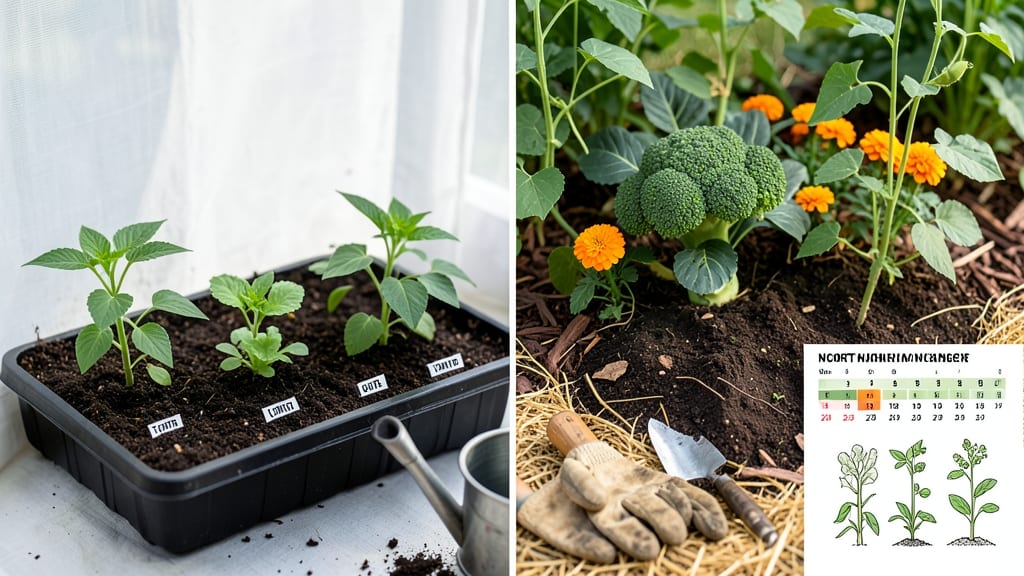
Planting a garden in North Carolina requires knowing the exact frost-free window for your region, or you risk losing your entire crop to a late spring chill or an early fall freeze.
Picture this: you’ve spent weeks preparing your soil, only to watch your 🌱 General Garden Vegetables wilt overnight because you planted too soon. Or, worse, you wait too long and miss the sweet spot for peak harvests.
North Carolina’s varied climate—from the cool mountain air to the balmy coastal plains—means timing is everything.
In this guide, I’ll break down the ideal planting months for cool-season crops like spinach and broccoli (February-March, September-October) versus warm-season favorites like tomatoes and peppers (April-May, June-July).
Whether you’re in the Piedmont or the Mountains, you’ll learn how to align your planting with your local frost dates—no guesswork, just bountiful harvests.
Ready to turn your garden dreams into reality? Let’s dive into the step-by-step schedule that works for your NC zone—so you can finally enjoy that homegrown tomato without the frost-related heartbreak.
NC frost dates by region: when to start planting cool vs warm season crops
North Carolina’s diverse climate—from the cool mountain peaks to the warm coastal plains—creates wildly different frost dates that dictate your planting schedule. In Zone 5A (mountains), frost can linger until May 15, while Zone 8A (coastal) may see frost as late as November 20.
Understanding these windows ensures you plant cool-season crops like spinach and broccoli at the right time and avoid frost damage to warm-season favorites like tomatoes and peppers.
Your planting success depends on two critical dates: the last spring frost (when it’s safe to plant warm-season crops) and the first fall frost (when cool-season crops must be in the ground).
For example, in the Piedmont region (Zone 7A), the last frost typically occurs around March 20-25, while the first frost in fall arrives by November 10-15. These dates shift dramatically as you move east or west, so let’s break it down by region to help you plan.
If you’re in the mountains (Zones 5A-6A), your growing season is shorter, so focus on fast-maturing varieties of warm-season crops like bush beans or zucchini. Plant these 2-3 weeks after your last frost date—around May 20-30—to avoid late-season frosts.
Meanwhile, cool-season crops like kale and carrots can handle early spring plantings as soon as February 15, giving you an early harvest before summer heat sets in.
For Piedmont gardeners (Zones 7A-7B), your window is more forgiving, but timing is still crucial.
Start warm-season crops like tomatoes and peppers 2-3 weeks after March 25 to ensure they’re established before summer’s intense heat. Cool-season crops can go in as early as February 1, but use row covers to protect tender seedlings from unexpected late frosts in March.
In Zone 8A (Coastal Plain), you’re blessed with a longer growing season, but don’t get complacent. Plant warm-season crops like okra and sweet potatoes by March 20 to take full advantage of your extended summer.
Meanwhile, fall planting of broccoli or spinach can continue until September 15, with harvests stretching into December before the first frost.
Pro tip: Use frost-sensitive crops like peppers and eggplants as your guide for warm-season planting. These plants won’t tolerate frost at all, so wait until your region’s last frost date has passed—even if other crops (like squash) are more resilient.
For cool-season crops, aim to plant 4-6 weeks before your first fall frost to maximize your harvest before winter sets in.
Regional adjustments matter! For example, Asheville (Zone 6B) has a later last frost (May 1) compared to Raleigh (Zone 7B) (March 20). Check local weather stations or use the NC State Extension’s frost date maps to fine-tune your schedule.
Even a 10-degree difference in nighttime temps can mean the difference between a thriving garden and a frost-killed one.
Don’t forget about succession planting! In warmer zones, you can often squeeze in two rounds of warm-season crops—one in spring and another in early summer—by choosing fast-maturing varieties or using black plastic mulch to warm the soil faster. For
Best planting calendar for NC gardens: month-by-month guide by plant type
North Carolina’s diverse climate zones (7a-8b) mean your planting schedule should adapt to regional frost dates and heat tolerance. Whether you're in the Piedmont’s rolling hills or the Coastal Plain’s humid lowlands, timing is everything.
This month-by-month guide covers 12+ staple crops, including succession planting tips to maximize your harvest.
For cool-season crops like lettuce and spinach, start seeds indoors 4-6 weeks before your last frost date (typically mid-March in Piedmont or late February in Coastal NC).
Warm-season crops—think tomatoes, peppers, and squash—need to wait until 2-3 weeks after the last frost (usually after May 10 in Piedmont or April 15 in Coastal areas).
🌱 Planting Calendar for NC Gardens
Extend your harvests by planting fall crops like kale and radishes in August-September. These cool-season favorites thrive in NC’s mild autumn temperatures and can often survive until first frost in November.
For warm-season crops, consider a second planting in late June for varieties like beans and cucumbers that tolerate heat better.
Pro tip: Use row covers to protect early spring plantings from late frosts (common in the Mountains) or extend fall harvests. For succession planting