
Tools
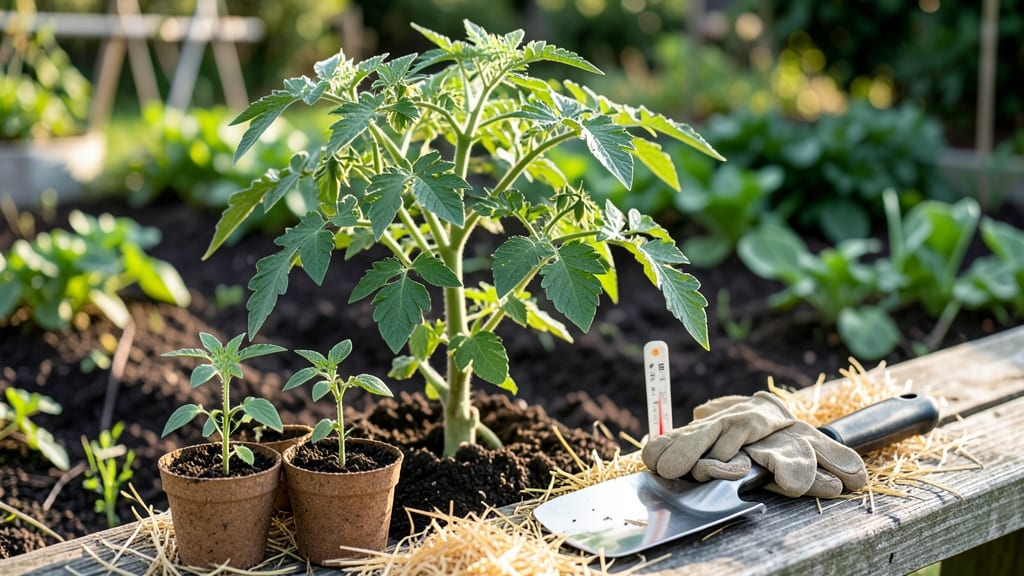
Starting a garden in Ohio means timing your first seeds with precision — the last frost date can shift by weeks between northern and southern regions, and planting too soon risks losing everything to a surprise freeze.
Ohio’s unpredictable frost dates can make or break your garden—plant too early and risk losing tender seedlings, too late and miss the growing season entirely. But with the right frost-free timeline and soil prep, you can maximize your harvest from spring to fall.
Whether you’re in Columbus, Cleveland, or Cincinnati, the key is matching your planting schedule to local frost averages, soil temperatures, and hardiness zones. Cool-season crops like spinach and peas can handle early spring, while tomatoes and peppers need to wait until the ground warms.
In this guide, I’ll break down the exact planting windows for Ohio’s most popular vegetables, herbs, and flowers, plus soil prep tips to ensure your garden thrives from the first seed to the final harvest.
Ohio’s frost-free timeline by plant type: when to plant vegetables, flowers & herbs
Ohio’s hardiness zones 5-7 create unique challenges for gardeners, with last frost dates varying by region.
In Columbus (Zone 6a), the average last frost arrives April 15-30, while Cleveland (Zone 6b) sees it 1-2 weeks later. Southern Ohio (Cincinnati, Zone 7a) enjoys an earlier timeline, with last frosts around April 1-15.
Knowing these dates helps you avoid frost damage while maximizing your growing season.
Your planting strategy depends on frost sensitivity. Cool-season crops like spinach and peas thrive in 40-50°F soil and can handle light frosts. Warm-season plants like tomatoes and peppers need soil temps above 60°F and won’t tolerate frost.
Meanwhile, fall harvests like kale and carrots benefit from early September sowing to mature before winter sets in.
Use this frost-free timeline as your guide, but always monitor weekly forecasts—Ohio’s weather can shift dramatically. For urban gardeners, microclimates near buildings or water features may extend your growing window by 1-2 weeks. Start with hardy varieties if your area has a history of late frosts.
📋 PRO TIP: Test your soil temperature with a soil thermometer before planting warm-season crops. Aim for 60°F+ for tomatoes and 65°F+ for peppers. If temps are too cold, use row covers or wait 2-3 weeks.
| Plant Type | Last Frost Window | Planting Time (Columbus) | Soil Temp Requirement | Frost Tolerance |
|---|---|---|---|---|
| Cool-Season Veggies (Spinach, Peas, Lettuce) | April 15-30 | March 15-April 15 (direct sow) | 40-50°F (4-10°C) | High (survives light frost) |
| Warm-Season Veggies (Tomatoes, Peppers, Cucumbers) | April 15-30 | May 1-15 (after last frost) | 60°F+ (15°C+) | None (frost kills seedlings) |
| Herbs (Basil, Cilantro, Dill) | April 15-30 | May 1-15 (basil); April 1 (cilantro) | 50-60°F (10-15°C) | Moderate (basil dies in frost) |
| Flowers (Marigolds, Zinnias, Sunflowers) | April 15-30 | April 15-May 1 (direct sow) | 55-65°F (13-18°C) | Low (most tolerate frost) |
| Fall Harvests (Kale, Carrots, Radishes) | October 15-November 1 | August 1-September 15 | 50-60°F (10-15°C) | High (sweeter after frost) |
For warm-season vegetables, start seeds indoors 6-8 weeks before your last frost date. Tomatoes and peppers need this head start, while cucumbers and squash can handle direct sowing after May 1.
If you’re in Zone 7 (southern Ohio), you might squeeze in two tomato crops—plant heat-tolerant varieties like 'Celebrity' or 'Better Boy' for a late-season harvest.
Ohio’s first frost typically arrives October 15-30, but microclimates matter. Gardens near lakes or rivers may stay frost-free 1-2 weeks longer than inland areas. Use row covers or cold frames to extend harvests for k
Ohio soil preparation checklist: how to test & amend soil before planting
Ohio’s clay-heavy soils and acidic pH levels can stifle plant growth if not properly amended. Before planting, I always test my soil and make adjustments to ensure optimal conditions for germination and root development.
The key is balancing organic matter, drainage, and pH levels—especially in regions like northern Ohio where frost lingers later.
Start soil prep 6-8 weeks before your last expected frost date (typically mid-April in southern Ohio to early May in the north). This gives microbes time to break down amendments and warm the soil.
For example, in Columbus, I begin in early March, while in Cleveland, I wait until late March to avoid working wet, heavy clay.
-
1Test soil pH using a home test kit or send a sample to Ohio State University Extension. Ideal pH for most vegetables is 6.0-7.0. Ohio’s native soils often run acidic (5.0-6.0), so lime may be needed.
-
2Improve drainage by mixing in 2-3 inches of compost or sand for clay soils. For sandy areas, add peat moss to retain moisture. Work amendments into the top 6-12 inches of soil.
-
3Adjust pH if needed: Add pelletized lime for acidic soils (apply in fall for spring planting) or sulfur for alkaline soils. Follow package rates—over-amending can harm plants.
-
4Loosen compacted soil with a broadfork or tiller to a depth of 8-12 inches. Avoid tilling when soil is wet to prevent clumping. For raised beds, fill with a mix of topsoil, compost, and peat moss for ideal structure.
-
5Add organic mulch like straw or shredded leaves after planting to retain moisture and suppress weeds. In Ohio’s humid summers, mulch also reduces soil-borne diseases.
For cool-season crops like lettuce or peas, you can prep beds as early as February in southern Ohio, but wait until soil temperatures reach 40°F for warm-season plants like tomatoes. Use a soil thermometer to monitor—roots struggle to develop below 50°F.
Ohio’s clay soils can hold too much moisture, leading to root rot. If your soil feels gummy when squeezed, mix in coarse sand or perlite to improve aeration. For acidic-loving plants like blueberries, aim for a pH of 4.5-5.5 and use elemental sulfur instead of lime.
After amending, let the soil settle for 1-2 weeks before planting. This allows microbes to colonize and creates a stable environment for seeds. For container gardens, use a well-draining potting mix with 50% organic matter to mimic ideal Ohio garden soil conditions.