
Planting
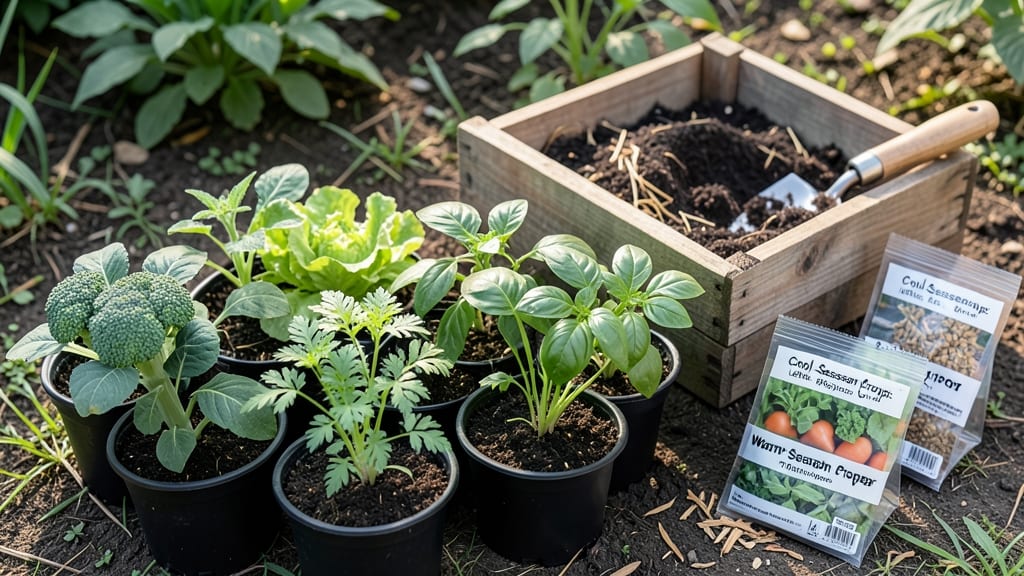
Planting your garden in Zone 7 at the right time means the difference between a bountiful harvest and a sad, frost-nibbled disappointment.
Zone 7 gardeners know timing is everything—plant too early and risk frost damage, too late and miss peak harvests. But with the right schedule, you can grow a thriving garden year after year.
Spring is your best bet for cool-season crops like lettuce and peas, while warm-season favorites like tomatoes and peppers need to wait until after the last frost—usually around mid-April in most of Zone 7.
Below, I’ll break down the perfect planting windows for every season, so you can avoid common mistakes and maximize your garden’s potential.
Zone 7 planting calendar: frost dates and seasonal breakdown
In Zone 7, your last spring frost typically occurs between March 15–April 15, while the first fall frost arrives October 15–November 15. These dates create a 180–210-day growing season, giving you plenty of time for both cool-season crops and warm-season vegetables.
Understanding these windows ensures your plants thrive without frost damage.
Your planting schedule should align with soil temperatures and seasonal transitions. For example, cool-season crops like lettuce and peas can handle light frosts, while warm-season crops like tomatoes and peppers need soil temperatures above 60°F (15°C). Let’s break down the best times to plant each season.
⚠️ PRO TIP: Use a soil thermometer to confirm temperatures before planting heat-loving crops. Soil that’s too cold can stunt growth, even if air temperatures seem warm.
| Season | Planting Window | Key Tasks | Example Plants |
|---|---|---|---|
| Early Spring | February–March | Prep soil, sow seeds indoors, harden off seedlings | Spinach, kale, onions, peas |
| Late Spring | April–May (after last frost) | Transplant seedlings, direct sow warm-season crops | Tomatoes, peppers, cucumbers, beans |
| Summer | June–July | Succession plant, mulch, water deeply | Basil, squash, corn, okra |
| Early Fall | August–September | Plant cool-season crops, extend season with row covers | Broccoli, carrots, radishes, lettuce |
| Late Fall | October (before first frost) | Sow hardy greens, cover soil for winter | Garlic, spinach, winter rye |
Spring in Zone 7 begins with cool-season crops like lettuce and spinach, which can handle light frosts. Start seeds indoors in February for early transplants, then direct sow after your last frost date (usually mid-April).
For warm-season crops, wait until soil temperatures reach 60°F (15°C)—typically mid-May—to avoid stunted growth.
Summer is all about succession planting. Once your early crops like peas and lettuce bolt, replace them with heat-tolerant varieties such as okra, sweet potatoes, and southern peas. Mulch heavily to retain moisture and prevent weeds, especially during dry spells.
Fall planting in Zone 7 is a gardener’s secret weapon. By mid-August, you can sow broccoli, carrots, and radishes for harvests before winter. Use row covers to extend the season and protect tender greens from early frosts.
Don’t forget to plant garlic in October—it needs cold weather to bulb properly.
Winter prep is just as critical. After your first frost (October–November), remove spent plants, amend soil with compost, and plant cover crops like winter rye to protect soil health. This sets the stage for a productive spring.
Microclimates can shift your planting windows by 1–2 weeks. For example, a south-facing slope warms up faster than a shady spot. Pay attention to local frost patterns—some years, the last frost might come 2 weeks later than average. Adjust your schedule accordingly.
Protect your early spring and late fall plants with frost cloths or row covers. These simple tools can add 2–4°F (1–2°C) of protection, giving tender crops like basil and eggplant a fighting chance against unexpected frosts.
🌱
Best plants to grow in Zone 7 by season (with exact timing)
In Zone 7, your planting schedule should revolve around frost dates and temperature thresholds. Cool-season crops thrive in spring and fall, while warm-season plants need summer heat. Let’s break down the best plants for each season with precise timing to maximize your harvests.
For cool-season crops, start seeds indoors 6-8 weeks before your last frost date (typically March 15-April 1 in Zone 7). Transplant seedlings outdoors after the soil warms to 40°F.
Warm-season crops like tomatoes and peppers should go in after May 15, once nighttime temps stay above 55°F.
- 1
- 2
- 3
- 4
- 5
In spring, focus on leafy greens like kale and spinach, which tolerate light frost. Space them 12-18 inches apart for airflow. For summer, prioritize tomatoes, peppers, and cucumbers, spacing them 18-24 inches apart to prevent disease. Mulch heavily to retain moisture.
Fall is perfect for broccoli, carrots, and radishes. Plant these 8-10 weeks before your first frost (usually September 1). Use row covers to extend the season if needed. Perennials like lavender and rosemary should be planted in early spring or fall for best root establishment.
Pro tip: Use season extenders like cold frames or hoop houses to push your growing season earlier or later. This can add 4-6 weeks to your harvest window! Just monitor soil temperature closely—it’s the real indicator of planting readiness.
With this seasonal breakdown, you’ll avoid common mistakes like planting too early or skipping soil prep. Stick to these timelines, and your Zone 7 garden will thrive year after year! 🌱