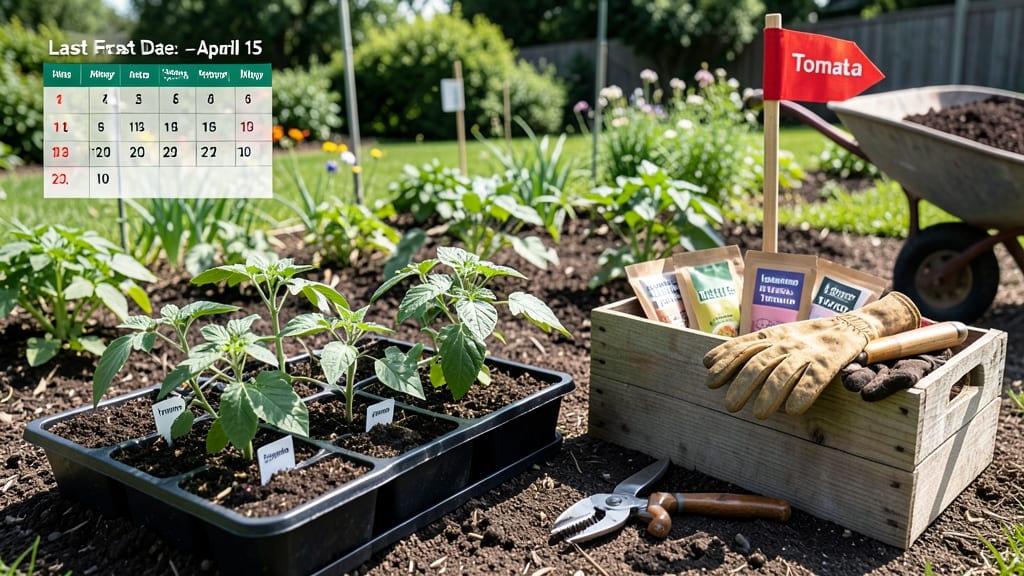
To plant gardens in Ohio at the right time means timing your spring and fall crops with the last frost in mid-April and the first frost in mid-October—a window that can make or break your harvest.
Ohio’s diverse climate means your garden’s success hinges on planting at the perfect time—miss the window, and you risk stunted growth or frost damage. But with the right frost-free dates by county, you can optimize your harvest from early spring greens to late-summer tomatoes.
Cool-season crops like lettuce and peas thrive when planted as soon as the soil is workable in March, while warm-season favorites like tomatoes and peppers need to wait until after the last frost in May. Fall planting starts in August for hearty crops that can handle cooler weather.
Below, I break down Ohio’s planting calendar by county, microclimate adjustments, and month-by-month tips to ensure your 🌱 General Garden Plants grow strong all season long.
🌱When to Plant General Garden Plants Garden Plants
Jan❄️
Feb🌱
Mar🌱
Apr🌱
May🌱
Jun🌱
Jul☀️
Aug☀️
Sep🍂
Oct🍂
Nov🍂
Dec❄️
Ideal Time
Also Good
Ohio’s frost-free dates by county: the exact timeline for planting vegetables, flowers, and herbs
Ohio’s frost-free dates vary dramatically across its 88 counties, creating a gardener’s puzzle.
The last spring frost can arrive as early as March 20th in Toledo or as late as April 20th in Appalachian counties, while the first fall frost ranges from October 15th in northern areas to November 10th in southern Ohio.
These variations mean your tomato plants in Columbus might thrive a full 3 weeks earlier than those in Cleveland.
Understanding your USDA Plant Hardiness Zone (typically 5b-7a in Ohio) helps refine these dates further. For example, peppers and melons, which need consistent warmth, should only go in the ground after your last frost date—and well after for northern counties.
Meanwhile, cool-season crops like spinach can handle light frosts and may even thrive with a late-March planting in southern Ohio.
Below is a county-by-county breakdown of Ohio’s frost-free dates, including regional hotspots like Toledo’s early springs, Cincinnati’s urban heat islands, and Cleveland’s lake-effect delays. Use this as your garden’s planting compass to avoid frost damage and maximize your harvest.
County
Last Spring Frost
First Fall Frost
USDA Zone
Best for Warm Crops
Notes
Lucas (Toledo)
March 20–25
October 10–15
6a
Peppers, Tomatoes
Earlyest frost-free; ideal for heat lovers
Fulton
March 25–April 1
October 15–20
6a
Melons, Corn
Rural areas may frost later
Franklin (Columbus)
April 5–10
October 20–25
6b
Peppers, Eggplant
Urban heat islands delay frost
Hamilton (Cincinnati)
April 3–8
October 22–27
6b
Tomatoes, Basil
City centers stay warmer
Cuyahoga (Cleveland)
April 10–15
October 15–20
5b–6a
Pumpkins, Zucchini
Lake-effect cooling delays spring
Athens (Appalachia)
April 15–20
October 5–10
6a
Potatoes, Kale
Cooler highland climate
Clermont
How to adjust planting times for Ohio’s microclimates: urban heat islands, lakeshore effects, and elevation
Ohio’s microclimates can shift your last frost date by weeks—meaning your neighbor’s tomato plants might thrive while yours struggle. Urban heat islands in cities like Cincinnati delay frost, while lakeshore areas near Lake Erie experience sudden temperature drops.
Even elevation changes in Appalachian counties can create 10-day differences in planting windows.
To navigate these variations, I’ll show you how to adjust planting times based on your location’s unique climate quirks. Whether you’re gardening in a concrete jungle, a coastal breeze zone, or a mountainous region, these tips will help you extend your growing season and avoid frost damage.
🌡️ Ohio Microclimate Adjustments
Urban Areas (Cincinnati, Columbus): Plant warm-season crops like peppers and tomatoes 1–2 weeks later (heat islands delay frost by 7–14 days). Use shade cloth for seedlings.
Lakeshore Zones (Cleveland, Toledo): Shift planting 2 weeks earlier for cool-season crops (lake breezes lower temps). Monitor weather forecasts for sudden cold snaps.
Elevated Regions (Appalachian counties): Plant hardy crops like kale and carrots 2 weeks earlier (cooler temps at higher elevations). Use row covers for frost protection.
All Microclimates: Test soil 2 weeks before planting to check moisture and temperature. Adjust watering schedules based on local heat or wind patterns.
For urban gardeners, the heat island effect can push back your last frost date by up to 2 weeks. In Cincinnati, for example, I’ve seen tomato plants survive unharmed in mid-October when rural areas freeze over.
To adapt, start warm-season seedlings indoors 3–4 weeks earlier than county averages suggest.
Lakeshore areas like Cleveland and Toledo experience lake-effect cooling, which can drop temperatures 10°F overnight. If you’re near Lake Erie, plant cool-season crops like spinach and lettuce 2 weeks earlier than inland regions. Use cold frames to protect tender greens from unexpected chills.
In elevated regions like Athens County or Hocking Hills, cooler temperatures mean you can plant cool-season crops as early as late February. For warm-season crops, wait until mid-May to avoid frost. I’ve found that row covers extend the season by 3–4 weeks in these areas.
To maximize your garden’s potential, create a personalized planting checklist:
☑️ Note your local frost dates (check Ohio State University Extension).
☑️ Adjust planting times based on your microclimate type.
☑️ Use season extenders like row covers or cold frames.
☑️ Monitor weekly weather forecasts for sudden changes.
☑️ Keep a garden journal to track what works best each year.