
Tools
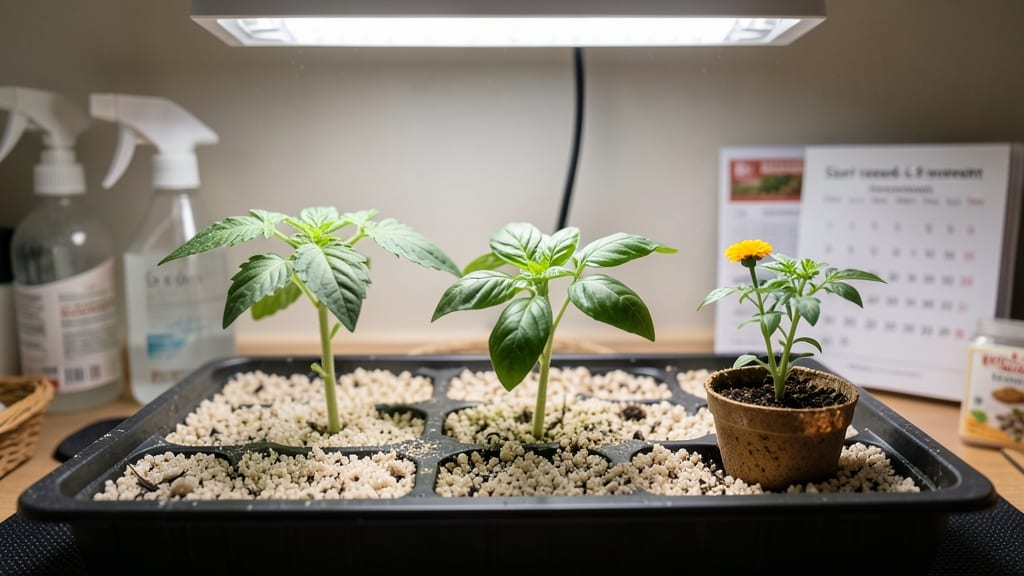
Starting garden seeds indoors at the right time means the difference between a thriving garden and a season of frustration—especially when frost threatens your outdoor plants.
Timing your indoor seed starts wrong can mean the difference between a thriving garden and wasted effort—especially when frost threatens your outdoor plants. Too early, and seedlings become leggy and weak; too late, and you’ll miss the perfect transplant window.
For Zone 6a gardeners like me, that window is tight: 4-8 weeks before April 15, the last frost date. But even then, not all plants play by the same rules.
Some 🌱 General Garden Seeds—like tomatoes and peppers—need a head start, while leafy greens can wait until just a few weeks before planting out. The key is knowing your plants’ maturity times and adjusting for light, temperature, and your local climate.
This guide breaks down the exact timing for popular vegetables and flowers, so you can avoid common mistakes and set your seedlings up for success.
You’ll learn how to calculate your ideal start dates, troubleshoot leggy seedlings, and transition your plants outdoors without shock. Whether you’re a first-time gardener or a seasoned grower, mastering indoor seed-starting schedules will help you skip the guesswork and grow a garden that actually produces.
How to calculate your indoor seed starting dates by last frost date
Getting your indoor seed starting dates right is the foundation of a successful garden. One wrong move—like starting too early or late—and you risk weak seedlings or missed transplant windows. The secret? A simple three-step calculation using your last frost date, plant maturity times, and seedling growth stages.
This method ensures your seedlings are strong, healthy, and ready to thrive outdoors when the time comes.
First, find your local last frost date using the USDA Plant Hardiness Zone Map or check with your local agricultural extension office. This date marks the average final frost in spring, and it’s your anchor for timing everything else.
For example, if your last frost is May 15, you’ll work backward from that date to determine when to start seeds indoors.
Next, identify how many days to maturity your chosen plants need. This is the total time from seed to harvest, which varies widely—lettuce might take 45 days, while tomatoes need 80+ days.
Then, subtract the seedling stage duration (how long it takes to grow strong enough for transplanting). For tomatoes, this is typically 6-8 weeks. The remaining time is when you should start your seeds indoors.
For instance, if tomatoes need 80 days total and 6 weeks (42 days) to reach transplant size, you’ll start them 38 days (about 5.5 weeks) before your last frost. Round down to 5 weeks for a buffer, ensuring you’re not cutting it too close.
This method works for vegetables, flowers, and herbs alike—just adjust the numbers based on the plant.
Now that you’ve got the basics, let’s make it even easier with a customizable timeline template. Grab a calendar or use a spreadsheet to plot your seed-starting schedule. For example, if your last frost is April 1, start slow-growing vegetables like broccoli by February 1 (10 weeks before).
Meanwhile, fast growers like radishes can wait until March 1 (6 weeks before). This visual approach helps you see overlaps and plan your space efficiently.
Don’t forget to account for seedling care during this time. Seedlings need 12-16 hours of light daily, so supplement with grow lights if your home lacks sufficient natural light. Without enough light, seedlings become leggy and weak, no matter how perfectly you’ve timed their start.
Use a seedling heat mat for the first 7-10 days to speed up germination, especially for slower starters like peppers or parsley.
Once you’ve nailed down your seed-starting dates, create a hardening-off schedule 7-10 days before transplanting. This gradual acclimation to outdoor conditions—starting with 1-2 hours of shade and building up to full sun—reduces transplant shock and sets your seedlings up for success.
Think of it as their final training camp before the big game.
Finally, keep a seedling journal to track your progress. Note which plants germinated quickly, which struggled, and how your timing aligned with outdoor conditions.
Over time, you’ll refine your schedule to match your microclimate perfectly—whether that means starting tomatoes a week earlier or pushing peppers back by 10 days based on past experience. Every garden is unique, and your records will become your greatest tool.
With this method, you’ll never again guess
Plant-specific indoor seed starting guide: exact timing for popular vegetables and flowers
Getting the timing right for indoor seed starts transforms your garden from a gamble to a guaranteed harvest. The secret? Matching each plant’s maturation timeline with your last frost date while accounting for light needs.
For example, starting tomatoes too early leads to weak, leggy seedlings, while starting them too late means missing the outdoor planting window entirely.
Let’s break down the exact schedules for 20+ popular plants, including when to start, how long to grow indoors, and the light requirements to keep seedlings stocky and strong.
I’ve grown thousands of seedlings over the years, and the biggest mistake I see is treating all plants the same. Leafy greens bolt if they get too warm, while tomatoes and peppers need intense light from day one.
This guide gives you the precise timing for each category, so you can avoid common pitfalls like damping-off or overcrowded trays. Whether you’re a beginner or a seasoned gardener, these plant-specific schedules will help you raise seedlings that are ready to thrive outdoors.
-
🍅 Tomatoes & Peppers (8-10 weeks before last frost)
Start seeds 60-75 days before transplanting (e.g., March 1 for a May 15 last frost). Use grow lights from day one to prevent stretching. Transplant when seedlings are 6-8 inches tall with 3-4 true leaves.
-
🥬 Leafy Greens (4-6 weeks before last frost)
Fast growers like lettuce and spinach can start 30-45 days before transplanting. Use cool temperatures (60-65°F) and low light to avoid bolting. Thin seedlings to 12 inches apart outdoors.
-
🌿 Herbs (6-8 weeks before last frost)
Basil and cilantro thrive with 4-6 weeks of indoor growing. Keep soil moist but not soggy—herbs like cilantro hate heat and bolt if stressed. Transplant after hardening off for 2-3 weeks.
-
🌼 Flowers (8-10 weeks before last frost)
Marigolds and petunias need 60-75 days indoors. Use 12+ hours of light daily to encourage bushy growth. Pinch back leggy stems to promote branching before transplanting.
-
🥕 Root Vegetables (3-4 weeks before last frost)
Carrots and beets can be direct-sown outdoors 2-3 weeks before last frost, but onions and leeks benefit from 4-6 weeks indoors. Keep soil loose to prevent forked roots.
For slow-growing vegetables like broccoli or cabbage, I recommend starting seeds 10-12 weeks before your last frost date. These plants need a long indoor growing period to develop strong roots and sturdy stems before facing outdoor conditions.
For example, in Zone 5 (last frost: May 10), I start broccoli seeds around February 20 to ensure they’re ready for transplanting by late April. The key is to give them enough time indoors while avoiding the leggy seedling syndrome caused by insufficient light.
If you’re growing flowers like snapdragons or zinnias, aim for 8-10 weeks indoors before your last frost. These plants benefit from early starts because they often need time to establish roots before blooming.
I’ve found that using LED grow lights on a 16-hour cycle prevents them from stretching toward windows. For flowers, pinching back the tips of seedlings when they’re about 4 inches tall encourages bushier growth and more blooms later in the season.
Don’t overlook herbs like dill or parsley, which can take 6-8 weeks indoors before transplanting. These biennials often bolt if stressed, so maintaining cool temperatures (60-65°F) and consistent moisture is critical.
I’ve had the best luck with parsley by starting seeds in individual pots—this prevents overcrowding and makes transplanting easier. Herbs like cilantro also appreciate a shade cloth outdoors if your summers are scorching.
Pro tip: Use a seedling heat mat for the first 7-10 days to speed up germination, especially for slow starters like peppers or onions. This small investment saves time and ensures even germination.
Once seedlings sprout, move them to a bright, south-facing window or under grow lights to prevent them from becoming weak and stretched. Remember, healthy seedlings start with the right timing and light—not just patience.