
Planting
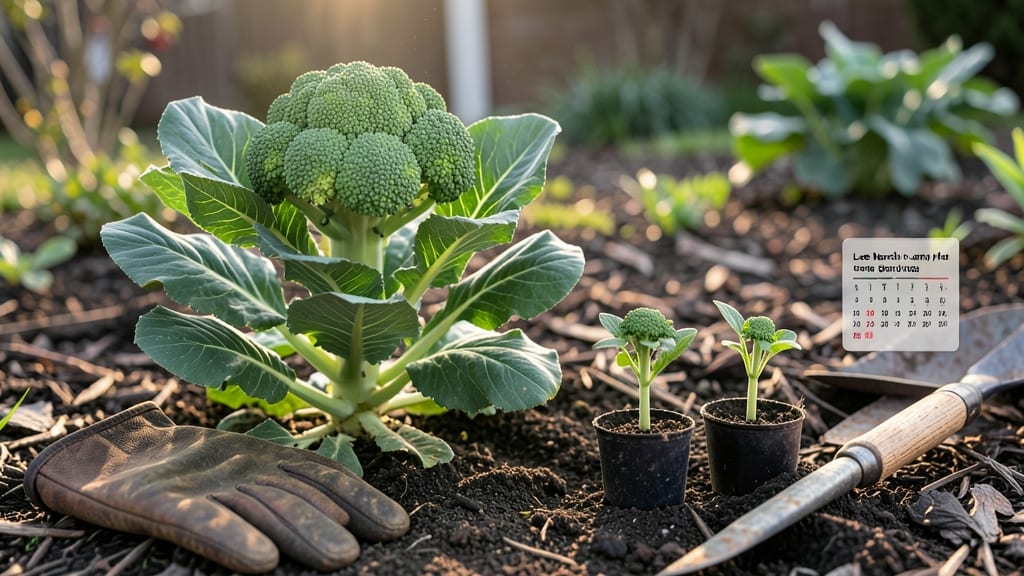
To plant a vegetable garden in Seattle, time it between March 15 and May 15 for spring crops and August 1–September 15 for fall—missing these windows risks frost damage or wasted seeds.
Seattle’s unpredictable weather can make or break your vegetable garden—planting at the wrong time means frost damage, stunted growth, or wasted seeds. But with the right timing, you can enjoy a thriving harvest from March through October.
Cool-season crops like kale and peas thrive when planted 4–6 weeks before the last frost, while tomatoes and peppers need to wait until after May 15 to avoid cold snaps. Urban gardeners in Seattle also face unique challenges, like shorter growing seasons and rain timing.
Below, I’ll break down the best planting schedule for Seattle’s USDA Zone 8a, indoor seed-starting tips, and how to extend your harvest with frost protection—so you can grow more, waste less, and enjoy fresh produce year-round.
Seattle’s frost-free dates & best planting months for outdoor vegetables
Seattle’s USDA Zone 8a/8b climate gives gardeners a 165-day frost-free window—perfect for growing a variety of vegetables. The average last frost date is around March 15, while the first frost typically arrives by October 15.
These dates mark your planting boundaries, but microclimates (like urban heat islands or sheltered valleys) can shift timing by 2–4 weeks.
Cool-season crops like lettuce, spinach, and peas thrive when planted 4–6 weeks before the last frost, often in February or early March. Warm-season crops such as tomatoes, peppers, and cucumbers need to wait until after the last frost, usually mid-May.
Adjust for your specific location—urban areas may warm up faster than rural spots.
Here’s how to use Seattle’s frost-free window for maximum harvests:
• Spring planting (March–May): Focus on cool-season crops and hardy warm-season starters.
• Summer planting (June–July): Direct-sow heat-tolerant crops like beans and sweet potatoes.
• Fall planting (August–September): Extend the season with cool-season crops for late harvests.
For urban gardeners, container planting can extend your growing season. Use black plastic mulch or row covers to warm soil faster in spring. In rural areas, watch for late frosts—they’re more common in valleys like the Skagit Valley.
Seattle’s rainy spring can delay soil warming, so use cold frames or cloches for early starts. Warm-season crops like tomatoes and peppers may need 4–6 weeks indoors before transplanting after the last frost. Always check the 10-day forecast before planting outdoors.
Pro tip: Succession planting every 2–3 weeks ensures a steady harvest. For example, sow lettuce every 3 weeks from March to September for continuous greens. Radishes are perfect for this—plant a new row every week for a never-ending snack!
Remember, Seattle’s Indian summer (late September–October) can trick you into thinking frost is far off. Always have frost blankets ready to protect tender crops like basil and eggplants if temperatures dip unexpectedly.
When to start vegetable seeds indoors in Seattle for maximum yield
Starting vegetable seeds indoors gives you a head start in Seattle’s short growing season, but timing is everything. With average last frost dates around March 15, you’ll need to plan carefully to avoid leggy seedlings or late-season disappointments.
The key is balancing seedling maturity with outdoor transplant readiness while accounting for Seattle’s cool, wet springs and unpredictable weather shifts.
Not all vegetables require indoor starts—some, like radishes and lettuce, germinate quickly enough to sow directly outdoors. But tomatoes, peppers, and eggplants need warmth and time to develop strong roots before facing Seattle’s chilly soils. Even basil and cilantro benefit from early starts to extend your harvest window.
- 1
- 2
- 3
- 4
- 5
Common mistakes like overwatering (which causes damping-off) or poor lighting (leading to weak stems) can derail your indoor starts. Use grow lights 12–16 hours daily and well-draining seed trays to avoid soggy soil.
I’ve found that LED grow lights are energy-efficient and mimic sunlight well for Seattle’s often cloudy indoor spaces.
For tools, invest in seedling trays with clear domes to retain humidity, a heat mat for slow starters like peppers, and small fans to strengthen seedlings before transplanting.
If space is tight, window sills with reflective surfaces can work for fast germinators, but grow lights are non-negotiable for tomatoes and peppers.
Pro tip: Keep a seed-starting journal to track germination times and adjust future schedules. Seattle’s unpredictable spring weather means your last frost date might shift—always have a backup plan for row covers if late frosts strike.