
Planting
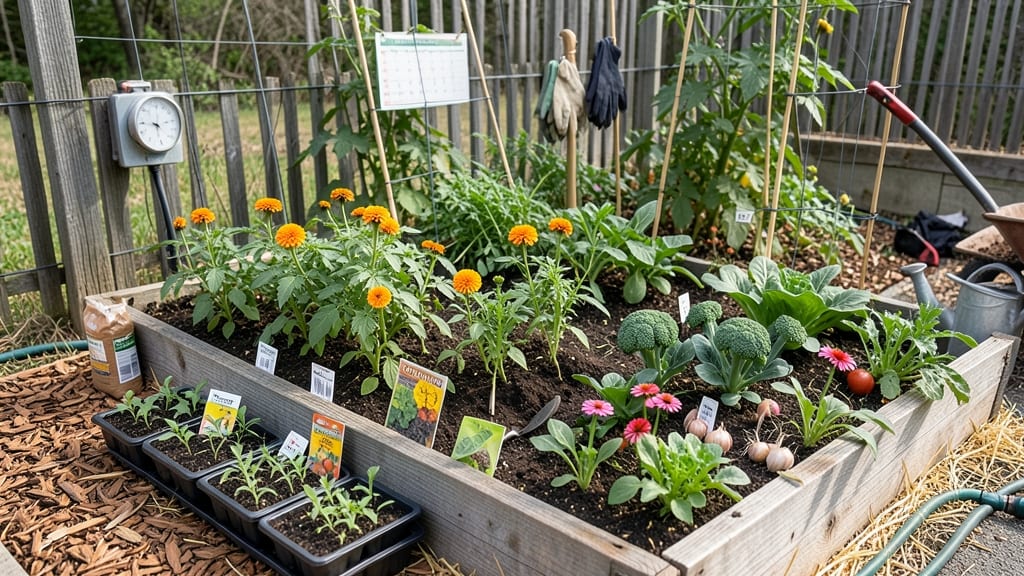
To plant your garden in Ohio, aim for late April after the last average frost date of April 15 🌱 — but the real secret is matching crops to the 60°F soil window that follows.
Ohio’s unpredictable spring weather can turn your gardening dreams into a guessing game—but timing your plantings correctly ensures a bountiful harvest instead of wasted seeds. One week too early and a late frost wipes out your tomatoes; one week too late and summer arrives before your beans even sprout.
This isn’t just about dates—it’s about reading your local microclimate. Urban heat islands in Columbus may let you plant peppers a week earlier than rural 6a zones, while Toledo’s lake-effect winds demand extra caution in May.
The key is knowing which crops thrive in Ohio’s 165 frost-free days and how to stretch those seasons with row covers or succession planting.
Below, I’ll break down the exact planting windows for Ohio’s top vegetables, when to start seeds indoors, and how to adjust for your specific corner of the state—so you’re harvesting zucchini in July instead of watching them bolt.
Ohio’s planting calendar by month: what to sow when in zones 5-6
Ohio’s Zone 5-6 climate creates a unique gardening challenge—cool springs and warm summers demand precision timing. Based on 1981–2010 frost data, the average last spring frost in most of Ohio falls between April 15 and May 1, while the first fall frost arrives around October 15.
This window shapes your planting strategy, separating cool-season crops (like spinach and peas) from warm-season stars (tomatoes and peppers).
Mastering this schedule means avoiding frost damage to tender seedlings and maximizing harvest windows. For example, broccoli sown in early spring thrives before summer heat, while cucumbers need to wait until soil warms to 60°F.
Below, I’ll break down each month’s planting priorities, including succession planting tips to keep your garden productive all season.
| Month | Cool-Season Crops (Hardy) | Warm-Season Crops (Tender) | Flowers & Herbs | Key Tasks |
|---|---|---|---|---|
| March | Spinach, Peas, Lettuce, Kale, Radishes, Onions | — (Wait for soil warmth) | Calendula, Pansies, Snapdragons | Test soil, add compost, sow seeds indoors |
| April | Broccoli, Cabbage, Carrots, Beets, Potatoes | Tomato/pepper starts indoors | Sweet Alyssum, Nasturtiums, Chives | Hardening off seedlings, direct sow after frost |
| May | Late spinach, peas (succession) | Transplant tomatoes, peppers, cucumbers, beans | Marigolds, Basil, Dill, Lavender | Mulch, stake tomatoes, watch for pests |
| June | None (too hot) | Corn, Squash, Okra, Sweet Potatoes | Sunflowers, Zinnias, Rosemary | Water deeply, fertilize warm-season crops |
| July | — | Succession plant beans, cucumbers | Basil, Cilantro, Nasturtiums | Deadhead flowers, harvest regularly |
| August | Kale, Spinach, Lettuce (fall crop) | Late tomatoes, peppers, basil | Cosmos, Aster, Thyme | Prepare soil for fall planting |
| September | Broccoli, Cabbage, Carrots, Radishes | None (frost risk) | Pansies, Sweet Peas, Chives | Plant garlic, cover tender plants |
| October | Spinach, Peas, Lettuce (if mild) | — | Calendula, Winter Aconite | Clean garden beds, add compost |
In March, focus on cool-season crops like spinach and peas, which tolerate light frosts. Use row covers to extend their growing window.
Meanwhile, start tomato and pepper seedlings indoors—these warm-season plants need 6–8 weeks to mature before transplanting after the last frost. Flowers like calendula and pansies also thrive in early spring, adding color while deterring pests.
By April, most of Ohio has passed the average last frost date, making it safe to direct-sow broccoli, cabbage, and carrots.
Harden off your indoor seedlings (like tomatoes) by gradually exposing them to outdoor conditions over 7–10 days. Herbs such as chives and sweet alyssum can handle cooler temps, while basil should wait until soil warms to 55°F.
May is the golden window for warm-season crops. Transplant tomatoes, peppers
How to adjust planting times for Ohio’s microclimates and frost quirks
Ohio’s Zone 5-6 climate might seem uniform, but your neighbor’s Columbus garden thrives on a schedule that fails in Toledo’s lake-effect zone.
A 500-foot elevation drop between hills and valleys can shift frost dates by 3-5 days, while urban heat islands in Cincinnati make soil warm up 1-2 weeks earlier than rural areas. These microclimates mean your tomato plants might need to wait while your neighbor’s bolt.
Even with Ohio’s average last frost date of April 15, late May frosts still strike 1 in 3 years in northern counties. My grandmother’s garden in Lima lost her pepper seedlings twice in June because she followed Toledo’s schedule.
The solution? Adjust planting windows by 7-10 days depending on your local frost history and use row covers to buy time.
🌱
Ohio Frost Risk: Don’t Follow the Average!
Late May frosts hit Northern Ohio (Zones 5b-6a) 20% more often than southern counties. Use these adjustment rules:
- Urban areas (Columbus, Cincinnati): Plant warm-season crops 7-10 days earlier due to heat island effect.
- Lake-effect zones (Toledo, Cleveland): Delay tomatoes/peppers by 2 weeks or use row covers.
- Valleys/hills: Add 3-5 days to frost dates if you’re below 1,000 ft elevation.
- Succession plant lettuce/radishes every 2 weeks to hedge against frost.
Pro Tip: Check Ohio State Extension’s frost maps (updated annually) for your exact ZIP code.
To stretch Ohio’s 165 frost-free days, I’ve mastered three game-changing tactics. First, cold frames let me plant spinach and kale 3 weeks earlier in spring, while row covers protect tomato transplants until May 20—even if frost lingers.
Second, succession planting every 14 days ensures a continuous harvest of bush beans from June to September. Finally, I monitor soil temp with a $10 thermometer—60°F is the magic number for warm-season crops like peppers.
For cool-season crops, timing is about avoiding bolting. Plant carrots and cabbage by March 15 in southern Ohio, but wait until April 1 in the north.
My 2022 lesson: Broccoli planted too early in Akron flowered prematurely because daylength triggered bolting before harvest. The fix? Shade cloth during peak sun hours.
🌿
Don’t let Ohio’s unpredictable weather derail your garden. Start by mapping your microclimate: note sun exposure, wind patterns, and nearby water bodies. Then adjust planting dates by ±7 days based on your local frost history.
For high-risk crops like eggplants, use black plastic mulch to warm soil 5-7°F faster—it’s worked for my Toledo garden for three years running.