
Plants
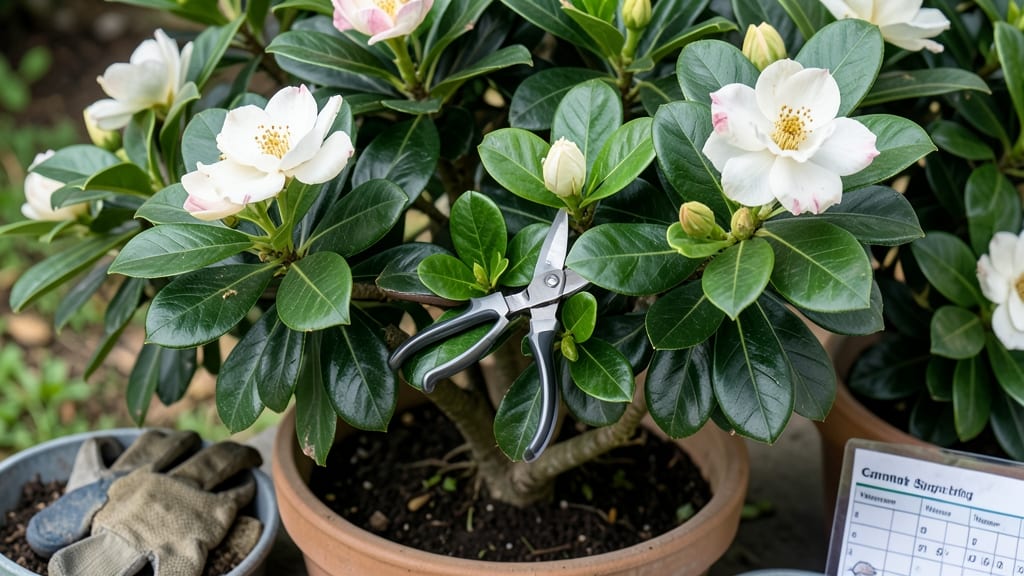
To prune gardenia plants for heavy blooms, late winter is the ideal time—right after the last frost and before new growth starts.
Struggling to get your gardenia plants to bloom as heavily as they should? The secret lies in timing—pruning at the wrong time can stunt growth or even kill your plant. Discover the precise late-winter window for pruning gardenias to unlock lush, fragrant blooms all season.
In USDA Zone 6a, this means waiting until mid-February to early March, when the plant is still dormant but the risk of frost has passed. Pruning too early can expose tender branches to cold, while waiting too long risks cutting off next season’s flower buds.
Below, I’ll walk you through the exact steps, tools, and seasonal checklists to prune your 🌸 gardenia like a pro—plus how to spot mistakes before they ruin your blooms.
Best late winter pruning timeline for gardenia blooms
Late winter is the perfect window to prune your gardenias, but timing matters more than you think. Pruning at the wrong time can stress your plant or even prevent next year's blooms.
The key is to align your cuts with your gardenia's natural dormancy period, typically between late February and early March in most U.S. regions. This timing ensures your plant has time to recover before new growth begins.
Why does timing matter so much? Gardenias bloom on old wood, meaning their flowers form on last year's growth. If you prune too late, you risk cutting off next season's flower buds before they even form.
Conversely, pruning too early—while the plant is still dormant and vulnerable—can leave it weak and susceptible to frost damage. The late winter window strikes the perfect balance.
Your gardenia's growth cycle is your best guide. After the last frost date in your area (usually mid-April in Zone 6), your plant will start pushing new growth. Pruning 4-6 weeks before this growth spurt gives your gardenia time to heal and prepare for the spring blooming season.
For example, if your last frost is April 15th, aim to finish pruning by March 1st.
Regional adjustments are crucial. In warmer climates (Zones 8-10), where frost is rare, you can prune slightly later—late February to early March.
But in cooler zones (Zones 5-7), wait until after the last frost threat (usually mid-to-late March) to avoid frost damage to fresh cuts. Always check your local frost dates to tailor your timeline.
Here’s a quick late winter pruning timeline based on your climate zone:
Pruning in late winter also stimulates stronger growth for the upcoming season. When you remove dead or weak branches, you improve air circulation, which reduces the risk of fungal diseases like powdery mildew.
Additionally, shaping your gardenia now encourages a bushier habit, leading to more flower buds in spring. Think of it as a reset button for your plant’s energy.
One common mistake is pruning too aggressively in late winter. Gardenias respond best to moderate pruning—never remove more than one-third of the plant's foliage in a single session. Focus on dead wood, crossing branches, and overcrowded areas to maintain the plant’s natural shape.
If you’re unsure, prune conservatively and always leave healthy leaves on the stems to support photosynthesis.
After pruning, your gardenia will need extra care to recover. Water deeply once a week to help the cuts heal, and avoid fertilizing until new growth appears in spring. Mulch around the base with organic matter to retain moisture and protect roots from temperature fluctuations.
This post-pruning care is just as important as the pruning itself for ensuring a healthy, blooming gardenia next season.
Pro tip: Mark your pruning date on a garden calendar so you don’t forget next year. Consistency is key—pruning at the same time annually helps your gardenia establish a predictable growth cycle.
Over time, you’ll notice fewer dead branches, better blooms, and a fuller shrub. That’s the power of timely late-winter pruning!
🌸
Step-by-step late winter pruning guide for gardenias
Late winter is the perfect time to prune your gardenia plants for maximum blooms next season. This is when your gardenia is dormant but ready to burst into growth—pruning now removes dead wood and encourages new, vigorous spring shoots.
The key is acting before new buds form, usually between February and early March in most climates.
Pruning at the wrong time can stress your plant or even prevent blooming. If you cut too late, you risk removing next year’s flower buds, while pruning too early exposes tender growth to late-winter frosts.
Let’s walk through the exact steps to prune like a pro and set your gardenia up for a show-stopping summer.
- 1 Choose the right tools: Grab clean, sharp pruners (bypass pruners work best) and rubbing alcohol to sterilize blades. Dead branches can harbor fungal diseases, so disinfect tools between cuts.
- 2 Inspect for dead/weak branches: Look for brown, brittle stems or branches without leaves. These should be removed first. Also, trim any crossing branches to improve air circulation and reduce disease risk.
- 3 Make clean cuts: Cut just above a leaf node (the bump where leaves grow) at a 45-degree angle. Avoid leaving stubs, which can rot. For thicker branches, use loppers and cut 1/4 inch above the node.
- 4 Shape the shrub: Thin out overcrowded areas to let light and air reach the center. Aim for an open, vase-like shape—this encourages more blooms and reduces pests hiding in dense foliage.
- 5 Clean up: Remove all pruned debris from the area to prevent pests and diseases. Dispose of clippings in the trash (don’t compost diseased branches). Rake up fallen leaves around the base to reduce fungal spores.
After pruning, your gardenia will need some extra care to recover and prepare for spring growth. Water deeply once a week to help roots establish in the soil. Avoid fertilizing right away—wait until early spring when new growth appears.
A light application of acid-loving fertilizer (like 10-10-10) will give your plant the nutrients it needs to rebound and bloom.
One common mistake is over-pruning, which can shock your gardenia and delay blooming. Never remove more than 1/3 of the plant’s foliage in one session. Another pitfall is pruning too late—if you wait until April or May, you risk cutting off next year’s flower buds.
Stick to the late-winter window, and your gardenia will thank you with heavier, more fragrant blooms all season.
With these steps, your gardenia will thrive and flourish, rewarding you with showy white blooms that fill your garden with a sweet, intoxicating scent. Happy pruning! 🌸✂️