
Plants
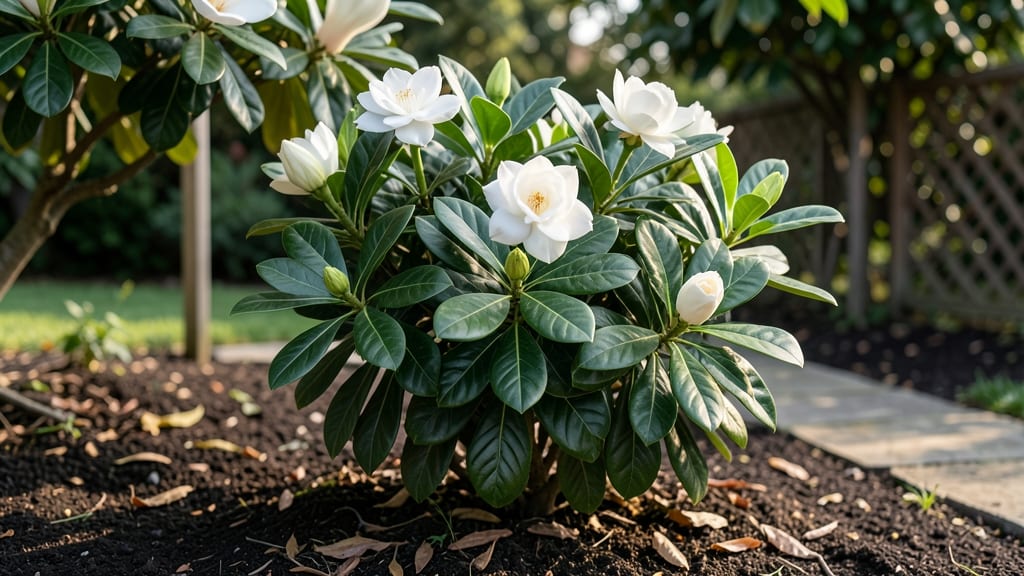
A gardenia plant thrives in partial shade with morning sun and afternoon protection, striking the perfect balance for fragrant blooms 🌸 — too much direct sun or too little light can stunt its growth and dim its flowers.
Struggling to keep your gardenia blooming? The battle between sun and shade might be the key — getting the light balance right can mean the difference between fragrant, lush flowers and sparse, weak growth.
These tropical beauties love bright but filtered light, mimicking their native understory habitats. Too much harsh afternoon sun leads to leaf burn, while insufficient light weakens stems and reduces flowering.
Below, I break down the ideal light conditions, how to spot signs of stress, and seasonal adjustments to keep your gardenia thriving year-round.
 Best Window Placement
Ideal sunlight conditions for gardenias: how much light do they really need?
If you've ever watched your gardenia plant struggle with leaf scorch or bud drop, chances are the light balance is off. Gardenias are famously finicky about sunlight, needing just the right mix of morning sun and afternoon shade to thrive.
Unlike sun-loving plants, they can’t handle harsh afternoon rays, which is why many gardeners accidentally overdo it—leading to crispy leaves or no blooms at all.
The key is understanding that gardenias prefer bright indirect light, similar to the dappled shade under a light canopy of taller trees. This means 4-6 hours of filtered sunlight daily, with protection from the intense midday heat.
In my own garden, I’ve found that placing them near an east-facing window or under a light sheer curtain makes all the difference for indoor plants.
Here’s the breakdown: gardenias need morning sun exposure (6 AM–10 AM) to kickstart photosynthesis, but they’ll reject afternoon sun (after 2 PM) because it stresses their delicate foliage.
This is especially critical in hot climates like USDA Zone 8-10, where even partial shade can mean the difference between a blooming shrub and a struggling specimen.
For gardeners in cooler climates (Zones 6–7), gardenias can sometimes tolerate more morning sun because the afternoon heat is less intense. However, even in these areas, I’ve seen leaf yellowing when plants get too much direct sun.
The trick is to monitor leaf color: if the undersides turn yellow, it’s a sign of light stress.
If you’re growing gardenias in containers, their light needs change slightly. Potted plants dry out faster and can overheat, so I recommend moving them to a shadier spot during peak afternoon hours. A porch with afternoon shade or a patio under a pergola works perfectly.
For indoor gardenias, an east-facing window is ideal, but avoid placing them in south-facing windows where they’ll bake in the sun.
One common mistake I see is assuming that more sun equals better blooms. In reality, gardenias bloom less when stressed by too much light. They’ll focus energy on survival rather than producing those fragrant white flowers.
To encourage blooming, aim for consistent partial shade and supplement with a balanced fertilizer (like 10-10-10 NPK) during the growing season.
Seasonal adjustments are also key. In summer, gardenias need extra afternoon shade, while in winter, they can handle slightly more morning light since days are shorter. I use a light shade cloth (30–50% shade) during the hottest months to protect my plants without cutting off all light.
For indoor plants, rotate them quarterly to ensure even light exposure on all sides.
Pro tip: If your gardenia starts dropping buds, it might be getting too much direct sunlight. Move it to a
Signs your gardenia is getting too much or too little sun (and how to fix it)
Your gardenia plant might be silently screaming for help if its light exposure is off. Too much direct sunlight can scorch delicate leaves, while too little bright indirect light leads to weak stems and sparse blooms.
The key is finding that sweet spot—4-6 hours of morning sun with afternoon shade protection. Without it, your fragrant blooms may never fully open.
Start by checking the leaf color—yellowing or crispy edges are the first clues. Leaf scorch (brown, papery patches) screams "too much sun," while pale, elongated leaves whisper "not enough light."
Even worse, bud drop before flowering means your gardenia is struggling to produce energy. These signs aren’t just cosmetic; they’re survival signals your plant can’t ignore.
Too Much Sun ⚠️
- Crispy leaf edges
- Brown scorch marks on leaves
- Bud drop before blooming
- Stunted new growth
- Move to dappled shade (e.g., under trees)
- Use sheer curtains for indoor plants
- Prune overhanging branches blocking shade
- Water deeply in afternoon to cool roots
Too Little Sun 🌿
- Pale, yellow leaves
- Leggy stems (overreaching for light)
- No bud formation
- Slow growth rate
- Relocate to east-facing window
- Add grow lights (12-14 hrs/day)
- Rotate pot weekly for even light
- Fertilize with phosphorus-rich food
If your gardenia shows leaf scorch, act fast by moving it to a spot with morning sun only. For indoor plants, an east-facing window is ideal—it provides gentle light without the harsh afternoon rays.
Pair this with a light-colored pot to reflect excess heat. Outdoor gardenias? Plant near a tree with high branches to filter sunlight naturally.
For pale leaves or leggy growth, supplement with a grow light if natural light is limited. Place it 12-18 inches above the plant and keep it on for 12-14 hours daily.
Rotate the pot weekly so all sides get even exposure. This mimics natural light patterns and prevents weak, stretched stems that can’t support blooms.
Don’t forget to prune damaged leaves—they drain energy your gardenia needs for flowering. Use clean, sharp pruning shears to cut just above a leaf node. This encourages new, healthy growth and helps your plant redirect energy toward blooming.
With the right light fix, you’ll see fuller buds and richer fragrance within 4-6 weeks.
Pro tip: Monitor light changes seasonally. Summer’s intense sun might require more shade, while winter’s weak light may need supplemental grow lights. Adjust gradually—sudden changes can stress your gardenia. Patience and observation are your best tools for keeping this tropical beauty thriving.