
Vegetables
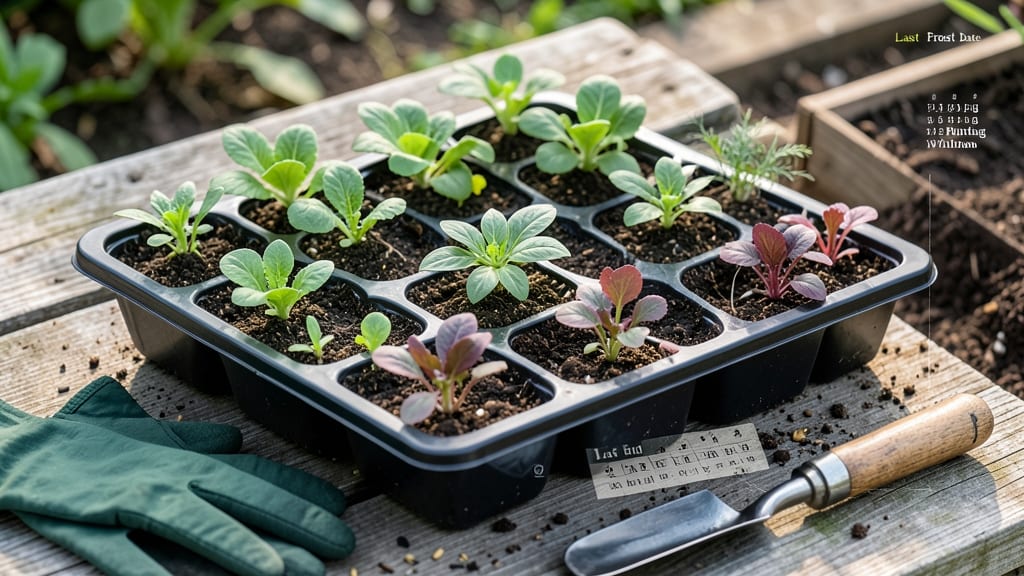
To start gardening vegetables at the perfect time means catching that narrow window between frost and heat — and missing it can leave you with wilted seedlings or empty beds.
Timing your vegetable garden planting can mean the difference between a bumper crop and a disappointing harvest—yet most gardeners miss the best windows for their climate zone.
Whether you're sowing seeds indoors in January or rushing to direct-sow in May, the wrong timing can stall growth, attract pests, or even kill your plants before they bear fruit.
Below, I break down the exact months to start vegetables by USDA zone, how to adjust for early or late varieties, and the three biggest mistakes that ruin planting schedules—so you can plan with confidence.
USDA planting Zones: exact months to start vegetables by region
Getting your vegetable planting timing right is everything—miss the window, and you risk stunted growth or frost damage. The USDA Plant Hardiness Zones (3-11) help, but frost dates and seasonal exceptions make it tricky.
I’ve broken down the exact months to start cool-season and warm-season vegetables by zone, so you can plan with confidence.
First, know your last frost date (use the USDA zone map as a guide, but check local weather data). Cool-season crops like lettuce and kale thrive in cooler temps, while tomatoes and peppers need warmth.
Below, I’ve mapped out the ideal planting windows for each zone, including adjustments for high-altitude areas and coastal regions.
Here’s your zone-by-zone planting calendar for cool-season and warm-season vegetables, including frost-free days and regional tweaks:
In Zone 3-4, where winters are harsh, start cool-season crops like spinach and carrots indoors in March and transplant after the last frost (usually mid-May). For tomatoes and peppers, begin seeds indoors in April and move them out in June when soil temps hit 60°F.
Gardeners in Zone 5-6 have a longer window—start broccoli and cabbage indoors in February and direct-sow radishes and peas in March. Warm-season veggies like eggplants need to wait until late April to avoid frost damage. Pro tip: Use row covers to extend early planting.
For Zone 7-8, where summers are long and hot, begin warm-season crops like okra and sweet potatoes indoors in February. Direct-sow beans and cucumbers in March, but watch for heat stress—use drip irrigation to keep roots cool.
In Zone 9-10, you can plant almost year-round, but avoid summer planting for heat-sensitive crops like lettuce.
In Zone 11, the rules change entirely. Cool-season crops like kale grow year-round, but warm-season crops thrive in winter. The key? Shade cloth and consistent watering to combat humidity. Even here, succession planting ensures a steady harvest.
Regional exceptions matter—coastal areas (like Zone 7b in Oregon) can plant earlier due to milder winters, while high-altitude gardens (like Zone 5
How to adjust planting times for early vs. late varieties
Not all vegetables thrive on the same schedule—some need a long, cool spring to mature, while others beg for hot summer heat to produce. The key to extending your harvest is choosing the right early vs. late varieties and adjusting your planting times accordingly.
For example, a 45-day tomato planted too late won’t ripen before frost, but a 90-day pepper needs every warm day to reach maturity.
In my Zone 6 garden, I’ve learned that timing isn’t just about the calendar—it’s about matching plant needs to your local microclimate. A cold frame can push early lettuce harvests by weeks, while succession planting ensures a steady supply of spinach or radishes.
Below, I’ll walk you through proven strategies to stretch your growing season, with zone-specific examples for tomatoes, peppers, and leafy greens.
- 🌱 Succession Planting: Sow fast-growing crops like radishes every 2 weeks in spring and fall for continuous harvests.
- 🌡️ Cold Frames: Extend early spinach or kale harvests by 3-4 weeks in Zones 4-7 using clear plastic covers.
- ☀️ Heat-Tolerant Varieties: Swap standard tomatoes for heat-set varieties like 'Solar Fire' in Zones 8-10 to avoid blossom drop.
- 🌿 Transplanting: Start peppers indoors 8-10 weeks before last frost, then transplant after soil warms to 65°F.
- ⏰ Fall Planting: Direct-sow broccoli or carrots 60-90 days before first frost for a late-season bounty.
Let’s start with tomatoes, the poster child for early vs. late variety adjustments. In cooler zones (5-7), I plant early varieties like 'Stupice' (55 days to maturity) as soon as soil warms to 50°F, while reserving late-season spots for 'Brandywine' (85 days).
The trick? Use black plastic mulch to warm soil faster for early plantings, then switch to straw mulch to retain moisture for late varieties.
Peppers, on the other hand, are heat-lovers that need consistent warmth. In my Zone 6b garden, I start bell pepper seeds indoors in March under grow lights, then transplant after Memorial Day when night temps stay above 55°F.
For late-season heat, I opt for 'Jalapeño M', which tolerates 90°F+ days better than standard varieties. Pro tip: Use shade cloth (30%) in peak summer to prevent sunscald on young fruit.
Leafy greens like lettuce and spinach thrive in cool weather but bolt quickly when temps rise. My solution? Plant heat-tolerant varieties like 'Black Seeded Simpson' in late spring, then use shade cloth to keep them crisp.
For fall harvests, I direct-sow spinach in August—just 60 days before first frost—to avoid the summer heat. A drip irrigation system keeps soil evenly moist, preventing bolting.
Don’t forget about succession planting for crops like bush beans or zucchini. In my garden, I sow bush beans every 2 weeks from May to July, ensuring a steady supply until frost.
For zucchini, I plant two varieties at once: an early 'Eight Ball' (45 days) and a late 'Gold Rush' (50 days) to extend harvests. The result? Fresh zucchini from July through September.
Adjusting planting times isn’t just about stretching harvests—it’s about matching plant needs to your climate. Whether you’re using cold frames, heat-tolerant seeds, or staggered sowings, these strategies will transform your garden from a single-season struggle to a year-round feast.
Start with one technique this year, and watch your harvests grow longer and more abundant. 🌱