
How To
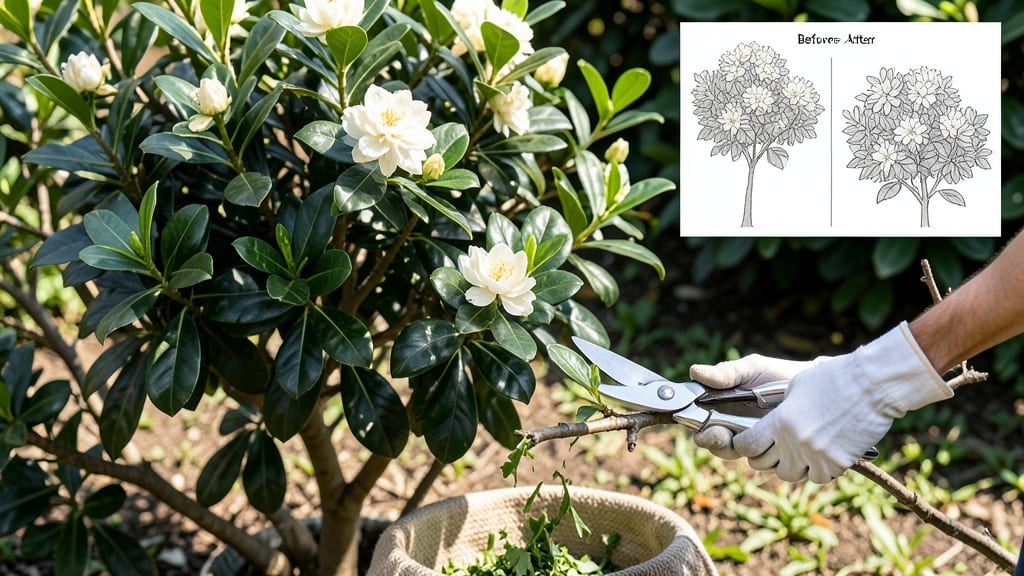
To trim gardenia bushes at the perfect time for blooms and healthy growth, aim for late winter to early spring before new growth begins.
Struggling to keep your gardenia bushes blooming beautifully year after year? The secret lies in proper pruning timing—do it too early, and you risk stunted flowers; too late, and you sacrifice next season’s growth.
In USDA Zones 6a-9b, where these fragrant 🌸 shrubs thrive, the window is narrow: February or March works best for most regions. But if you live in warmer climates like Zone 10, you might push it to early spring to avoid summer heat stress.
Below, I’ll walk you through the exact steps, from identifying dead branches to shaping your gardenia for maximum blooms—plus, the common mistakes that could ruin your plant’s health.
Best season and month to prune gardenia bushes for maximum blooms
Timing your gardenia bush pruning is everything—get it right, and you’ll reward yourself with lush, abundant blooms for seasons to come. The best time to trim gardenias is during late winter to early spring, just as new growth begins but before buds form.
This window ensures you’re not cutting back flower buds that will open later in the year.
Pruning at this time also allows the plant to redirect energy into new growth and develop stronger stems for next year’s blooms. If you prune too early, you risk delaying spring growth; too late, and you may sacrifice current-year flowers.
The key is to act after the last frost but before active blooming season begins.
Here’s a quick reference for the ideal pruning timeline based on your region:
For gardeners in USDA Zones 8-10, where winters are mild, aim to prune in late February or early March. Look for the first signs of new growth—tiny green shoots emerging from the stems—as your cue.
In cooler zones (6-7), wait until after your last frost date, typically March or early April.
If you live in a container garden, timing is slightly flexible but still tied to temperature cues. Prune when daytime temps consistently stay above 50°F (10°C) and new growth appears. Containers warm up faster, so you might start trimming a week earlier than in-ground plants.
Regional adjustments matter! In southern climates, prune earlier to avoid summer heat stress on fresh cuts. In northern zones, delay until after frost risk passes to prevent cold damage to new growth. Always monitor your local weather forecasts for the safest window.
Why does timing matter so much? Gardenias produce flower buds on old wood, meaning last year’s growth holds this year’s blooms. If you prune too late, you risk removing potential blooms.
Conversely, pruning too early can stunt new growth before the plant has energy to recover. The late winter/early spring window strikes the perfect balance.
Pro tip: Mark your calendar for 6-8 weeks after your average last frost date. This gives your gardenia enough time to harden off and prepare for active growth. For example, in Zone 9, with a last frost around February 15, aim to prune by late March.
Once you’ve nailed the timing, the next step is how to prune—but that’s a topic for our next section! For now, remember: patience and precision are your best tools for show-stopping gardenia blooms all season long. 🌸
How to prune gardenia bushes: step-by-step guide for healthy growth
Pruning your gardenia bushes isn’t just about keeping them tidy—it’s the key to encouraging lush blooms and preventing overgrowth. When done correctly, pruning stimulates new growth and ensures your plants stay compact and healthy.
But timing and technique matter! Cut at the wrong time, and you could stunt flowering or invite pests. Let’s break down the exact steps to prune like a pro.
First, gather your pruning tools. You’ll need sharp bypass pruners for clean cuts and sterilized shears to prevent disease spread. Avoid dull tools—they crush stems, making recovery harder. Next, focus on deadheading spent blooms throughout the growing season.
This simple step redirects energy to new flowers instead of seed production. But the real transformation happens during your annual shaping prune—let’s dive into the exact steps.
Late winter to early spring (just before new growth starts)
Look for brown, mushy stems or branches without leaves
1/4 inch above a leaf node or outward-facing bud
Focus on inward-growing or crossing branches first
Open the center to prevent fungal issues
Trim spent blooms to 1/2 inch above the next leaf
Remove all clippings and sterilize tools with rubbing alcohol
Start by removing dead or crossing branches first—they compete with healthy growth for nutrients. Cut just above a leaf node or outward-facing bud to encourage new shoots in the right direction. For mature bushes, never remove more than 1/3 of the foliage in one session.
This prevents shock and keeps your gardenia thriving. Pro tip: Prune after flowering if you missed the spring window, but avoid heavy cuts during summer when buds form.
Don’t forget to deadhead regularly throughout the blooming season. Pinch off faded flowers at the base to encourage more blooms and maintain a neat appearance. Use your fingers for small stems or clean shears for thicker blooms.
This simple habit can double your flower production over time! Always work with sterilized tools to prevent bacterial infections that can harm your plant.
After pruning, give your gardenia a light fertilizer application to support new growth. Water deeply but avoid soaking the foliage to prevent fungal diseases. Mulch around the base to retain moisture and regulate soil temperature.
With proper care, your gardenia will reward you with vibrant blooms all summer long—and you’ll avoid the heartbreak of sparse flowering next season.
Remember, pruning is an ongoing process, not a one-time task. Check your bushes monthly for deadheading needs and do a light shaping trim in late summer to prep for winter. Your gardenia will thank you with glossy leaves and fragrant blooms year after year!