
Landscaping
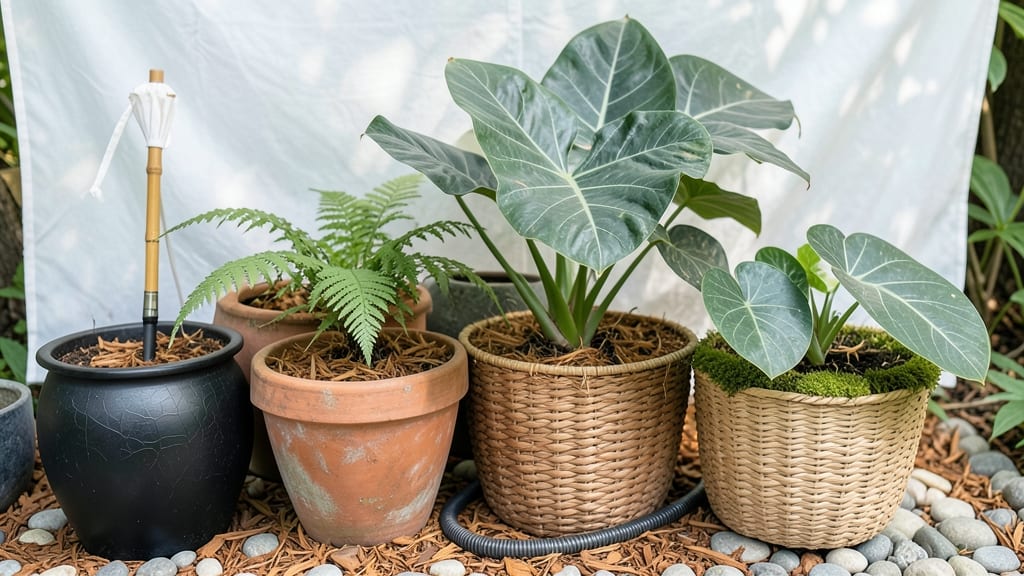
Garden ideas featuring Alocasia turn any space into a tropical escape with bold, velvety leaves that steal the show—even in shady spots where other plants struggle.
Picture this: your darkest corner transformed into a lush, low-light paradise where Alocasia 🌿 thrives as the star. These plants aren’t just survivors; they’re showstoppers, demanding attention with their dramatic foliage and striking shapes.
Whether you’re working with a cozy indoor nook or an outdoor garden bed, the right layout can make all the difference. From pairing Alocasia with complementary plants to styling them in containers, these ideas ensure your space feels vibrant and intentional.
Ready to discover how to arrange, care for, and highlight your Alocasia? I’ll walk you through stunning layouts, companion plants, and maintenance tips to keep those leaves looking their best year-round.
Best Alocasia varieties for low-light garden designs
When designing low-light gardens, Alocasia plants shine as dramatic focal points with their bold, elephant-ear foliage. These tropical beauties thrive in indirect sunlight, making them perfect for shady patios, indoor spaces, or understory plantings.
The key is selecting varieties that tolerate low-light conditions while still delivering striking visual impact. Let’s explore the top Alocasia varieties that excel in these settings.
Alocasia Zebrina, also called Striped Alocasia, is a must-have for low-light designs. Its dark green leaves with silver stripes create a modern, architectural look. This variety grows 2-3 feet tall, making it ideal for indoor pots or outdoor garden beds in filtered light. Its upright growth habit adds vertical interest, perfect for small spaces or container gardens.
Another standout is Alocasia Polly, a compact and lush option with deep green, velvety leaves. This dwarf variety reaches only 1-2 feet tall, making it great for tabletop displays or hanging baskets.
Its glossy foliage reflects light beautifully, even in low-light conditions. Pair it with ferns or peace lilies for a tropical indoor jungle.
For dramatic height and texture, Alocasia Regal Shield is unmatched. Its massive, shield-shaped leaves can reach 3-4 feet wide, creating a statement piece in any garden. While it prefers bright indirect light, it adapts well to lower light if given time to acclimate.
Place it near east-facing windows or under dappled shade in outdoor settings for maximum impact.
If you love contrast and texture, Alocasia Frydek is a hidden gem. Its dark green leaves with purple undersides add a moody, exotic vibe to any space.
This variety grows 2-3 feet tall and thrives in low-light conditions, making it perfect for bathrooms with natural light or north-facing rooms. Its upright, bushy habit fills space quickly, creating a lush, jungle-like atmosphere.
For small spaces or terrariums, Alocasia Sapea is a compact powerhouse. Its arrowhead-shaped, glossy leaves grow 1.5-2.5 feet tall, making it ideal for indoor gardens or hanging displays.
While it prefers bright indirect light, it tolerates lower light better than most Alocasias. Pair it with fittonia or moss for a miniature tropical scene.
When selecting Alocasia varieties for low-light gardens, consider leaf size, color, and growth habit. Larger varieties like Regal Shield make bold statements, while smaller types like Polly or Sapea work well in containers or tight spaces.
Always acclimate plants gradually to their new light conditions to avoid leaf scorch or drooping. With the right variety, your shady garden corners will become vibrant, eye-catching displays.
To maximize visual impact, group Alocasias with complementary plants like Calatheas, Philodendrons, or Ferns. These low-light lovers share similar care needs, creating a cohesive, tropical aesthetic. Use varied textures and heights to add
Creative Alocasia garden layouts for small and large spaces
Alocasia plants bring dramatic tropical vibes to any space, whether you're working with a cozy windowsill or a sprawling garden bed. Their bold, arrowhead-shaped leaves make them perfect for creating focal points that draw the eye.
The key to showcasing their beauty lies in thoughtful layout strategies that highlight their unique textures and colors while keeping their care needs in mind.
For small spaces, focus on container gardening and vertical displays to maximize impact without overwhelming your area. In larger gardens, use Alocasia as anchor plants in mixed borders or as solitary statements in shaded areas.
The right companion plants and styling tricks can elevate your design from ordinary to extraordinary.
🌿 5 Pro Tips for Stunning Alocasia Layouts
- 1. Odd-number groupings (3 or 5 plants) create natural focal points in containers or garden beds.
- 2. Pair with trailing plants like Pothos or Fittonia to soften Alocasia's bold structure.
- 3. Use contrasting pots—glazed ceramics or woven baskets highlight their vibrant leaves.
- 4. Space plants 12-18 inches apart to allow airflow and prevent fungal issues.
- 5. Add pebble trays under pots to increase humidity and protect surfaces.
Start with container arrangements for small spaces. A large ceramic pot with 3 Alocasia Polly plants surrounded by Moss Phalaenopsis orchids creates a mini jungle vibe perfect for patios or sunrooms.
For outdoor beds, plant Alocasia Regal Shield as the centerpiece with hostas and ferns as understory companions. This combo thrives in shady spots while creating layers of texture.
In larger gardens, create a moisture-loving tropical corner by grouping Alocasia with Calathea, Philodendron, and Bird of Paradise. Use mulch to retain moisture and drip irrigation to simplify care.
For a modern twist, pair Alocasia with succulents in contrasting pots—place them near a water feature where the humidity benefits both plant types.
Don't overlook vertical space! Mount Alocasia Frydek on a living wall or train it along a trellis for a dramatic vertical display. Pair it with climbing Philodendron to create a lush green curtain that adds depth to any room.
Remember, Alocasia loves high humidity, so group them near other tropical plants or use a humidifier in indoor setups.
For seasonal interest, incorporate Alocasia into holiday displays. During fall, pair them with orange Caladiums and deep red Heuchera for a moody, rich palette. In winter, add fairy lights to highlight their glossy leaves in indoor arrangements.
With these creative layouts, your Alocasia will shine year-round as the star of the show! 🌱