
Landscaping
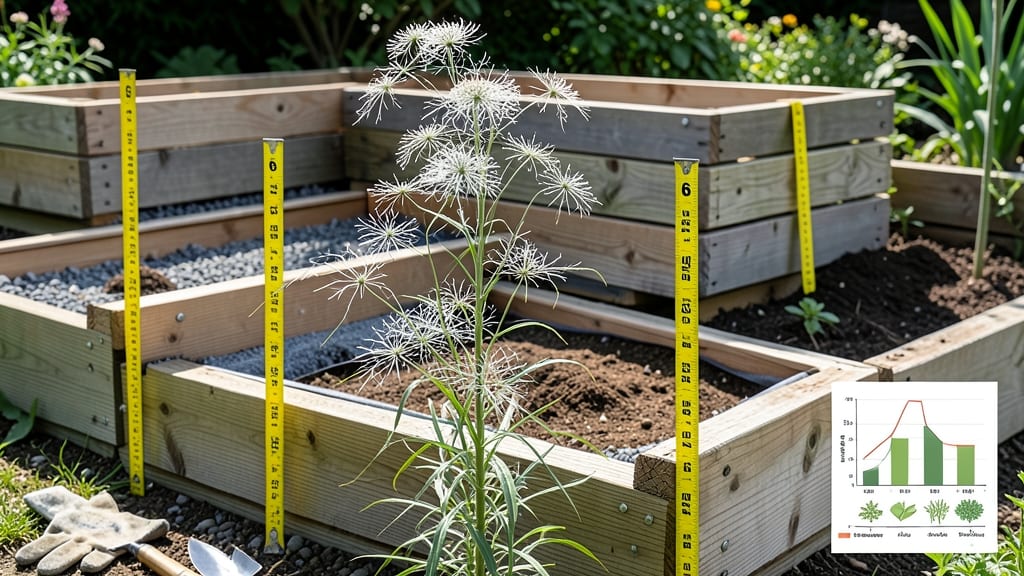
To determine how tall to make raised garden beds, start with 6 inches for herbs and shallow roots, but plan for 12 inches or taller when growing carrots, potatoes, or tomatoes.
Struggling to decide how high your raised garden beds should be? The right height can mean the difference between thriving plants and stunted growth—especially when accommodating deep-rooted vegetables like carrots or potatoes.
Too shallow, and roots will crowd at the bottom; too tall, and you risk poor drainage or back strain. I’ve built beds from 6 inches up to 2 feet, and each height serves a different purpose—whether you’re prioritizing accessibility, root depth, or drainage.
Below, I’ll break down the ideal heights for common plants, how to adjust for accessibility (like wheelchair use), and the 3 most common mistakes that trip up new gardeners.


Optimal raised garden bed heights by root depth requirements
Choosing the right height for your raised garden beds isn't just about aesthetics—it's about giving your plants the root space they need to thrive. Too shallow, and deep-rooted veggies like carrots or asparagus will struggle.
Too tall, and you might face drainage issues or material limitations. The ideal height depends on what you're growing, your accessibility needs, and even your soil type.
Most gardeners start with standard heights between 6 inches and 18 inches, but each range serves different purposes. For example, a 6-inch bed works for herbs and shallow-rooted greens, while 18-inch beds are perfect for deep-rooted perennials like artichokes or fruit trees.
Let’s break down the best heights for your garden’s needs.
| Bed Height (inches) | Best For | Root Depth Needs | Accessibility | Drainage Notes |
|---|---|---|---|---|
| 6" | Herbs, lettuce, spinach, radishes | Shallow roots (0-6") | Easy to reach, lightweight | Fast-draining; add compost |
| 10" | Green beans, beets, onions, strawberries | Moderate roots (6-12") | Comfortable for kneeling | Good balance; monitor moisture |
| 12" | Carrots, potatoes, bush peas, tomatoes | Deep roots (12-18") | Ideal for most gardeners | Excellent drainage; use gravel base |
| 18" | Asparagus, artichokes, fruit trees, deep taproots | Very deep roots (18"+) | Wheelchair accessible; heavier materials | Slow-draining; ensure aeration |
A 6-inch raised bed is perfect for shallow-rooted plants like basil, lettuce, or radishes. These greens and herbs don’t need much depth to thrive, and a low bed makes it easy to add compost or rotate crops frequently.
Plus, they’re lightweight and simple to build, making them great for container gardening or small spaces.
For most vegetable varieties, a 12-inch height strikes the best balance. This depth accommodates carrots, potatoes, and tomatoes, which need room to spread their roots downward. A 12-inch bed also sits at a comfortable height for most gardeners, reducing back strain during planting or harvesting.
If you’re growing deep-rooted perennials like asparagus or fruit trees, consider 18-inch beds to give roots the space they need to establish.
One common misconception is that taller beds always mean better drainage. While 18-inch beds do offer excellent drainage, they also require heavier materials and may need additional support.
If your soil is already well-draining, a 12-inch bed with a layer of gravel or landscape fabric at the base can work just as well for most plants.
Accessibility is another key factor. If you have mobility challenges, a 12-inch to 18-inch bed can be ideal, as it eliminates the need to bend over.
For wheelchair users, beds should sit at a height of 28 to 34 inches from the ground, which means building the frame taller while keeping the soil depth appropriate for your plants.
When building taller beds, remember to use rot-resistant wood like cedar or composite lumber to prevent warping or decay. For beds over 12 inches tall, consider adding internal supports or corner braces to ensure stability.
And always leave space between the bed and any permanent structures to avoid soil compaction or poor airflow.
Pro tip: If you’re unsure about the height, start with a 12-inch bed—it’s versatile enough for most vegetables and herbs while being manageable for most gardeners. You can always add compost or mulch to increase soil depth over time if needed.
🌱
How to adjust raised bed height for different plant types
When customizing raised bed height, I always start with the root depth of the plants I want to grow. For example, shallow-rooted herbs like basil or thyme thrive in beds just 6 inches deep, while deep-rooted vegetables like asparagus or carrots need at least 12 inches.
My first raised bed was only 6 inches tall, but after planting potatoes, I quickly realized I needed to adjust!
Accessibility is another key factor. A 10-inch height is ideal for most gardeners to work comfortably without bending over too much. However, if you have mobility challenges or use a wheelchair, consider 24 to 30 inches to make planting and harvesting easier.
I’ve seen gardeners with knee issues swear by these taller beds—they save their backs while keeping plants happy.
Here’s how I adjust bed heights for different plant types, along with practical tips to get it right:
For deep-rooted perennials like asparagus, I often layer the bed with a 12-inch base of compost-rich soil, topped with another 6 inches of topsoil. This gives roots room to grow downward while keeping the surface soil fertile.
If you’re growing potatoes or sweet potatoes, a taller bed (18+ inches) lets you hill soil as the plants grow, encouraging larger tubers.
Don’t forget about drainage and material choices. If your bed is taller than 12 inches, add a layer of landscape fabric or gravel at the bottom to prevent soil compaction and improve water flow.
I once built a 2-foot bed without drainage, and the bottom soil stayed soggy for weeks—leading to root rot in my carrots. A quick fix with gravel saved the next planting!
Pro tip: If you’re unsure about height, start with a 10-inch bed and add removable side panels. This lets you expand depth as your plants mature or your gardening needs change.
My second raised bed began at 10 inches but now has extendable sides—I just add more soil when I plant deeper-rooted crops.
Finally, consider seasonal adjustments. In colder climates, taller beds warm up faster in spring, giving you an earlier start. In hotter areas, slightly taller beds can help retain moisture longer. I’ve noticed my 12-inch beds stay cooler in summer, reducing watering needs for heat-sensitive plants like lettuce.