
Light Requirements
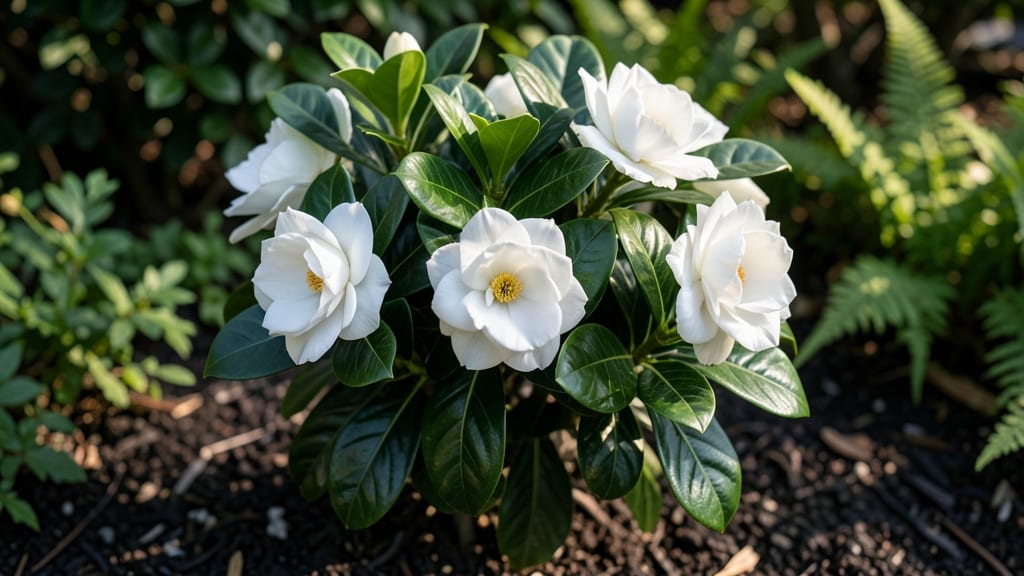
Your August Beauty Gardenia thrives on partial shade and precise sun requirements to keep those fragrant blooms coming month after month.
Picture this: your 🌸 gardenia wilts under the midday sun or struggles to flower in deep shade. The key to year-round blooms isn’t just water or soil—it’s mastering those sun requirements. Too much direct light scorches its leaves, while too little dims its potential entirely.
In USDA Zone 6a, where summer heat lingers into August, this variety needs morning sun to kickstart its growth but afternoon shade to protect its delicate petals. Without the right balance, you’re left with leggy stems and sparse flowers—hardly the showstopper you planted for.
Below, I’ll break down the exact light conditions your August Beauty Gardenia craves, how to spot sun stress early, and simple adjustments to keep it blooming like clockwork—even when the summer sun feels relentless.

How much sun does August Beauty gardenia need for optimal blooms?
The August Beauty Gardenia thrives on partial shade, making it a favorite for gardeners in warmer climates. Unlike sun-loving plants, this variety needs 4-6 hours of sunlight daily, but with a crucial twist: morning sun and afternoon shade is ideal.
Too much direct afternoon sun can scorch its glossy leaves and buds, while insufficient light reduces blooming frequency. Understanding this balance is key to keeping your gardenia lush and flowering year-round.
In my experience, gardeners often mistake partial shade for deep shade, leading to leggy growth and sparse blooms. The August Beauty variety is no exception—it needs enough light to fuel its growth but protection from the harsh midday rays.
Think of it like a tea party in the garden: it enjoys the morning sunlight but prefers to retreat before the afternoon heat arrives.
Here’s the golden rule for sunlight exposure: East-facing windows or locations are perfect, as they provide gentle morning light without the intense afternoon heat. If you’re planting outdoors, position your gardenia near a tree with dappled shade or a north-facing wall to filter the sun’s rays naturally.
🌱
Seasonal adjustments are critical for maintaining your August Beauty Gardenia's health, especially during summer’s peak heat. In summer months (June-August), when temperatures exceed 90°F (32°C), reduce direct sunlight exposure to 3 hours or less by using shade cloth (30-50%) or relocating to a more sheltered spot.
I’ve seen gardeners in USDA Zones 8-10 struggle with sunburned leaves when they ignore this adjustment—don’t let that be you!
If you’re growing your gardenia in a container, mobility is your best friend. Move pots to shadier spots during afternoon hours or place them under a patio cover with UV protection.
Containers also dry out faster, so ensure they’re in a location where you can monitor soil moisture closely during hot days. Pro tip: Terracotta pots help regulate temperature better than plastic, reducing heat stress.
🌿
Monitoring your gardenia’s response to sunlight is easier than you think. Check for yellowing leaves or drooping buds—these are classic signs of sun stress. On the flip side, if your plant looks leggy with sparse leaves and few blooms, it’s craving more light.
The key is to observe and adjust: if you notice brown spots on leaves after a sunny afternoon, your gardenia is getting too much direct sun. Conversely, if new growth is pale and weak, it needs more light.
Data shows that August Beauty Gardenias in optimal light conditions can produce 3-4 bloom cycles per year, compared to just 1-2 cycles in suboptimal lighting. That’s why nailing the morning sun/afternoon shade balance isn’t just about aesthetics—it’s about maximizing your plant’s potential.
With the right light, you’ll enjoy fragrant, creamy-white blooms from spring through fall, with occasional winter blooms if conditions are ideal.
🌸
Partial shade solutions: best locations and protective strategies
Finding the perfect partial shade spot for your August Beauty Gardenia can transform its blooming potential. This variety thrives with morning sunlight and afternoon protection, but the wrong placement can lead to scorched leaves or sparse flowers.
Let's explore the best locations and protective strategies to keep your gardenia thriving year-round.
For container gardening, place your gardenia near an east-facing window or under a patio cover that filters harsh afternoon rays. If outdoors, position it where it receives 3-4 hours of morning sun followed by dappled shade from nearby trees.
This balance prevents sunburn while ensuring enough light for vibrant blooms.
🌳 Natural Shade Solutions
| Option | Pros | Cons |
|---|---|---|
| Dappled Tree Shade | ✅ Natural light filtering ✅ Humidity boost |
❌ Roots may compete ❌ Limited control |
| North-Facing Walls | ✅ Consistent shade ✅ Reflects light |
❌ Can be too dark ❌ No airflow |
| Shade Cloth (30-50%) | ✅ Adjustable coverage ✅ Protects from wind |
❌ Requires setup ❌ Needs cleaning |
💡 Pro Tip: For peak summer months, use a 50% shade cloth to block intense midday sun while allowing gentle morning light.
During summer heatwaves, your gardenia may need extra protection. Install a lightweight shade cloth (30-50% coverage) over containers or garden beds to reduce stress. For permanent solutions, plant near deciduous trees like maples or oaks—their leaves naturally filter sunlight as they grow thicker in summer.
Adjust your watering routine when using shade solutions. Partial shade areas retain moisture longer, so reduce watering frequency by 20-30% to prevent root rot. Always water in the early morning to allow foliage to dry before evening, reducing fungal risks in shaded spots.
Monitor your gardenia's leaf color and bloom frequency to gauge shade success. Dark green leaves with plentiful white blooms indicate ideal conditions. If you notice yellowing leaves or fewer flowers, it may need 1-2 more hours of morning sun or a lighter shade cloth.
For container gardeners, choose pots with light-colored surfaces to reflect heat and reduce stress. Elevate containers slightly to improve drainage, especially in shaded areas where water pools longer. Rotate pots every 2-3 weeks to ensure even light exposure for all sides.