
Fertilization
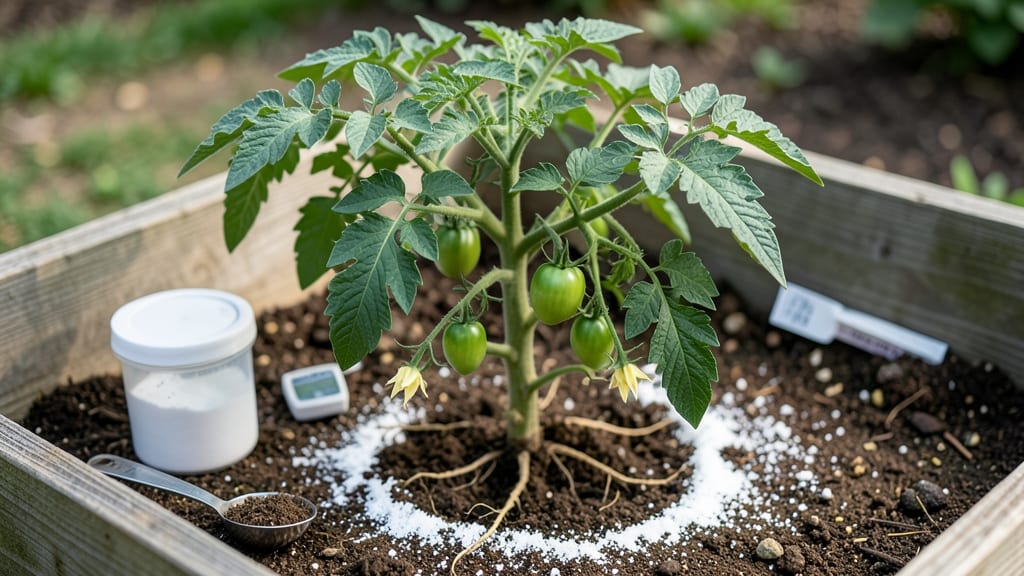
Using baking soda in garden soil effectively raises pH levels in acidic soil, balancing acidity to create a more alkaline environment that supports plants like azaleas and blueberries. Apply it cautiously—excess can disrupt soil microbes and reduce nutrient availability.
Baking soda works by neutralizing soil acidity through a simple chemical reaction: its alkaline properties bind with hydrogen ions in the soil, reducing overall acidity. 🌱 For most vegetables, aim for a pH range of 6.0–7.0, while acid-loving plants like blueberries thrive in 4.5–5.5.
The key is precision—too much baking soda can create a harsh environment that harms beneficial soil bacteria and fungi.
When applying, start with a conservative mix of 1–2 tablespoons per gallon of water and test your soil's pH before and after treatment.
For compacted clay soil, combine baking soda with compost or gypsum to improve structure while adjusting pH. Always monitor plant responses—yellowing leaves or stunted growth may signal over-application.
💡 In This Article
- How Baking Soda Alters Soil pH Chemistry
- Safe Application Methods for Compacted Clay Soil
How baking soda alters soil pH chemistry
Baking soda—chemically known as sodium bicarbonate (NaHCO₃)—works as a soil amendment by reacting with acidic compounds in the soil, primarily hydrogen ions (H⁺). When dissolved in water, baking soda dissociates into sodium (Na⁺), bicarbonate (HCO₃⁻), and hydroxide (OH⁻) ions.
The hydroxide ions then bind with free hydrogen ions in the soil, forming water (H₂O) and carbon dioxide (CO₂), effectively reducing acidity. This process is called neutralization, and it shifts the soil's pH toward a more alkaline state.
The ideal pH range varies by plant type: most vegetables and herbs thrive in a 6.0–7.0 range, while acid-loving plants like blueberries, azaleas, and hydrangeas prefer 4.5–5.5.
For example, if your soil tests at 5.0 and you're growing tomatoes (which prefer 6.0–6.8), adding baking soda can help bridge that gap. However, the reaction isn’t instantaneous—it takes 2–4 weeks for the pH to stabilize fully, depending on soil composition and moisture levels. 🌱
Overapplication is risky because excess sodium can disrupt soil structure, particularly in clay-heavy soils. Sodium ions replace essential nutrients like calcium and magnesium, leading to nutrient deficiencies. For instance, too much baking soda can cause potassium deficiency in plants, manifesting as yellowing leaves or weak stems.
Always test your soil’s pH with a reliable kit before and after treatment to avoid overshooting the target range.
Baking soda’s effectiveness also depends on soil organic matter. In sandy soils with low organic content, the pH shift may be more dramatic but short-lived, as there’s less buffering capacity. Conversely, loamy or clay soils retain the amendment longer due to higher cation exchange capacity.
To mitigate this, mix baking soda with compost or peat moss, which helps stabilize the pH over time while improving soil fertility.
Another critical factor is moisture. Baking soda must dissolve in water to react with soil acidity, so apply it during or after watering. Dry applications (like sprinkling directly on soil) won’t dissolve properly and may create localized high-sodium spots.
For best results, dissolve 1–2 tablespoons of baking soda per gallon of water and water the soil evenly, avoiding runoff. 💧
Think of baking soda as a temporary pH adjuster—it’s not a long-term solution for soil health. Pair it with organic amendments like compost or lime (calcium carbonate) for sustained benefits.
For example, lime raises pH more gradually and adds calcium, which baking soda lacks. This combo approach ensures your soil stays balanced without harming microbial life.