
Watering
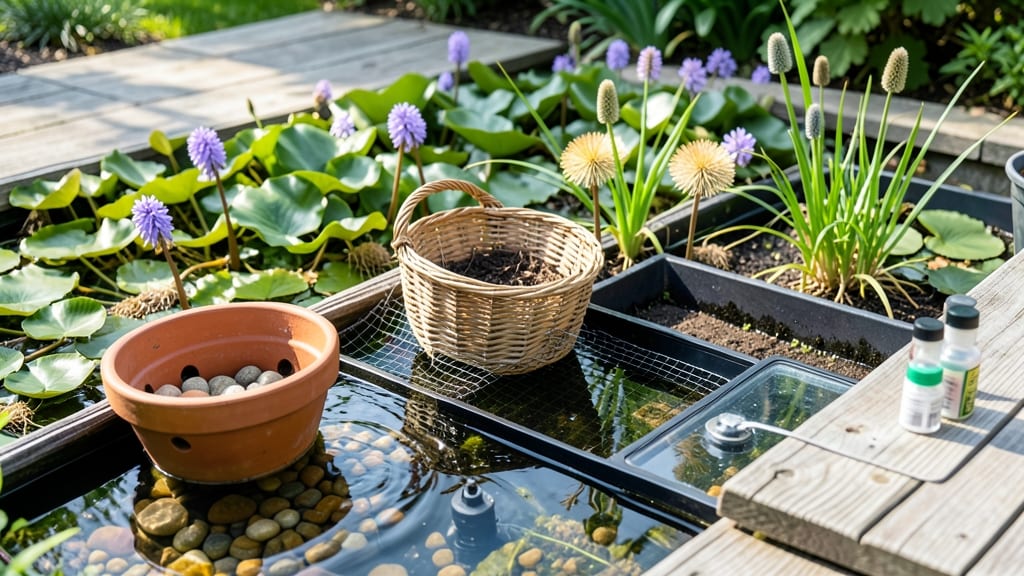
Growing container water garden plants lets you create a stunning aquatic retreat without the need for a pond or digging 🌿 — all you need is the right mix of floating and submerged varieties.
Picture this: a small patio oasis where water lilies drift lazily on the surface while submerged plants like hornwort filter the water below. The key to making it work? Choosing plants that thrive together and matching them to the right container setup.
If you’ve ever stared at a crowded nursery aisle wondering which plants will actually survive in a contained water system, this guide cuts through the confusion.
We’ll cover the best low-maintenance picks, how to balance floating and submerged varieties, and the simple maintenance routines that keep your mini water garden thriving all season.
By the end, you’ll know exactly which plants to pair, how to pick the perfect container, and the easy care steps that save you time while keeping your water garden looking its best.
Top 10 container water garden plants for floating vs submerged growth
Creating a container water garden lets you enjoy the beauty of aquatic plants without a pond. The key decision? Floating plants vs. submerged varieties. Floating plants like water hyacinth thrive on the surface, while submerged plants like hornwort grow underwater.
Each serves a purpose—floating plants provide shade and oxygen, while submerged plants clean the water and attract wildlife.
For beginners, water lettuce and duckweed are ideal floating plants—they spread quickly and require minimal care. Advanced gardeners might prefer blue lotus or water lilies for stunning blooms. Submerged options like anacharis or waterweed are perfect for oxygenating stagnant water and creating a balanced ecosystem.
Your container size matters too. Small containers (5-10 gallons) work for floating plants like frogbit, while larger setups (20+ gallons) accommodate submerged plants like water crowfoot. Always ensure your container has a secure lid to prevent mosquito breeding and proper drainage to avoid root rot.
Now, let’s dive into the top 10 plants—five for floating and five for submerged growth—along with their care needs and ideal container setups.
| Plant Type | Plant Name | Growth Habit | Sunlight Needs | Container Size | Care Level |
|---|---|---|---|---|---|
| Floating | Water Hyacinth | Fast-spreading | Full Sun | 10+ gallons | Moderate |
| Floating | Duckweed | Tiny, dense | Partial Shade | 5+ gallons | Easy |
| Floating | Water Lettuce | Rosette-shaped | Full Sun | 15+ gallons | Moderate |
| Submerged | Hornwort | Oxygenating | Partial Shade | 10+ gallons | Easy |
| Submerged | Anacharis | Long, branching | Full Sun | 20+ gallons | Moderate |
| Submerged | Water Crowfoot | Clumping | Partial Shade | 15+ gallons | Moderate |
| Floating | Frogbit | Small, round | Full Sun |
How to choose the right container setup for your water plantsCreating a thriving container water garden starts with selecting the right setup for your water plants. The wrong container can lead to stagnant water, root rot, or even plant death—so let’s break down the essentials. First, consider the material of your container. Plastic and fiberglass are lightweight and affordable, while ceramic or concrete add elegance but require more maintenance. For drainage, ensure your container has holes or a removable liner to prevent waterlogging. Next, think about container size. Smaller containers (5–10 gallons) work for floating plants like water hyacinth, while larger setups (20+ gallons) accommodate submerged varieties such as water lilies or lotus. Always leave at least 6 inches of space between the water surface and the rim to prevent spills during rain or evaporation. Balance is key—too much water can drown delicate roots, while too little leaves plants thirsty.
Don’t overlook sunlight optimization. Most tropical water plants need 6+ hours of direct sun, but delicate varieties like water lettuce thrive in partial shade. Position your container near a south-facing window or use a small water pump to create gentle movement, which mimics natural currents and discourages algae. If your space lacks sunlight, supplement with a grow light for 8–10 hours daily. For a balanced ecosystem, mix floating plants (like water hyacinth) with submerged varieties (such as hornwort or anacharis). Floating plants provide shade and oxygen, while submerged plants absorb excess nutrients. Add a submersible pump ($20–$50) to circulate water and prevent stagnation. If algae becomes an issue, introduce a UV clarifier or increase plant density to outcompete it naturally. Seasonal adjustments are crucial. In summer, top off water daily due to evaporation, and in winter, reduce plantings to hardy varieties like water lilies or cattails. Avoid fertilizing during dormancy, but add a slow-release tablet in spring to kickstart growth. A pH test kit ($10) helps monitor water quality—aim for a range of 6.5–7.5 for most aquatic plants. Finally, prioritize easy maintenance. Choose containers with wide openings for easy access, and opt for self-cleaning gravel or smooth stones to simplify upkeep. With the right setup, your container water garden will thrive year-round, offering a low-maintenance oasis that’s as beautiful as it is functional. 🌿 |