
Planting
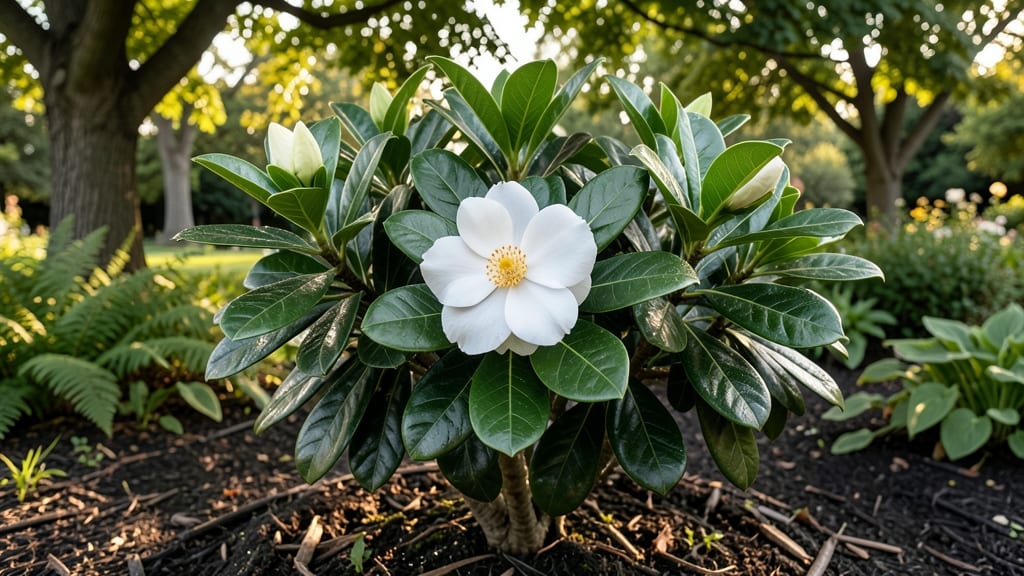
Gardenia plants thrive in Zone 7 when planted with proper care, including consistent moisture, winter frost protection, and well-draining soil in partial shade, as they prefer warmer climates.
Zone 7's mild winters and hot summers create the perfect balance for gardenias, but their tropical origins mean they still need protection from unexpected cold snaps. 🌿 The key is mimicking their natural habitat—think of it as creating a microclimate where they can thrive.
I've found that adding a thick layer of mulch around the base helps regulate soil temperature, while container gardening gives you the flexibility to move plants indoors when temperatures drop below 20°F.
Even in Zone 7, late spring frosts can still damage new growth, so timing your planting after the last frost date is crucial for success.
For gardeners in Zone 7, the secret to long-term success lies in understanding these plants' specific needs. While they can handle the zone's climate with proper care, their sensitivity to cold means you'll need to be proactive about protection.
The right soil mix—rich in organic matter but well-draining—makes all the difference in preventing root rot while maintaining the moisture these fragrant beauties love. And don't forget that partial shade during the hottest afternoons helps prevent leaf scorch, which can weaken plants and reduce flowering.
💡 In This Article
- Gardenia Growing Conditions in Zone 7 Climate
- Winterizing Gardenias for Zone 7 Freezes
Gardenia growing conditions in Zone 7 climate
Zone 7's climate—with its hot summers and mild winters—creates an ideal environment for gardenias, but these tropical plants still need specific conditions to thrive.
Gardenias prefer temperatures between 60°F and 80°F, and while Zone 7 typically stays within this range, late spring frosts (below 28°F) can still damage new growth. The key is replicating their natural habitat: warm, humid conditions with partial shade to protect their delicate leaves from intense afternoon sun.
In Zone 7, gardenias often perform best in microclimates like east-facing gardens or near structures that provide afternoon shade.
Sunlight requirements are critical—too much direct sun can cause leaf scorch, while insufficient light reduces flowering. Gardenias need 4-6 hours of morning sun paired with afternoon shade, especially during the hottest months (June-August). The ideal spot balances light exposure with protection from harsh elements.
For example, planting near a lattice or under a deciduous tree allows sunlight in spring while providing shade in summer. Soil temperature also plays a role; gardenias prefer 65-75°F soil, so mulching helps maintain consistent ground temperatures.
Soil composition is another game-changer. Gardenias thrive in well-draining, slightly acidic soil (pH 5.0-6.5), rich in organic matter like compost or peat moss. Heavy clay soils common in Zone 7 can suffocate roots, so amending with perlite or sand improves drainage.
I've seen gardenias planted in containers with a mix of 50% peat moss, 30% perlite, and 20% compost flourish even in less-than-ideal ground conditions. This mix mimics their natural boggy, acidic environments while preventing root rot—a common issue in Zone 7's humid climate.
Watering needs are equally important. Gardenias require consistent moisture but hate soggy roots. In Zone 7's heat, they may need watering 2-3 times per week, depending on rainfall. A good rule of thumb is to water when the top 1-2 inches of soil feel dry.
Overwatering can lead to fungal issues like root rot, while underwatering causes leaf drop and bud failure. Using drip irrigation or soaker hoses helps deliver water directly to the roots without wetting the foliage, reducing disease risk.
Humidity is another factor—Zone 7's climate often drops below the 50% humidity gardenias prefer, especially indoors. If growing in containers or dry microclimates, misting leaves or using a pebble tray with water can help maintain ideal humidity levels.
This mimics the tropical environments where gardenias naturally grow, where high humidity protects their glossy leaves and encourages abundant blooming. 🌿 The combination of proper sunlight, soil, water, and humidity creates the perfect conditions for gardenias to thrive in Zone 7's climate.