
Plants
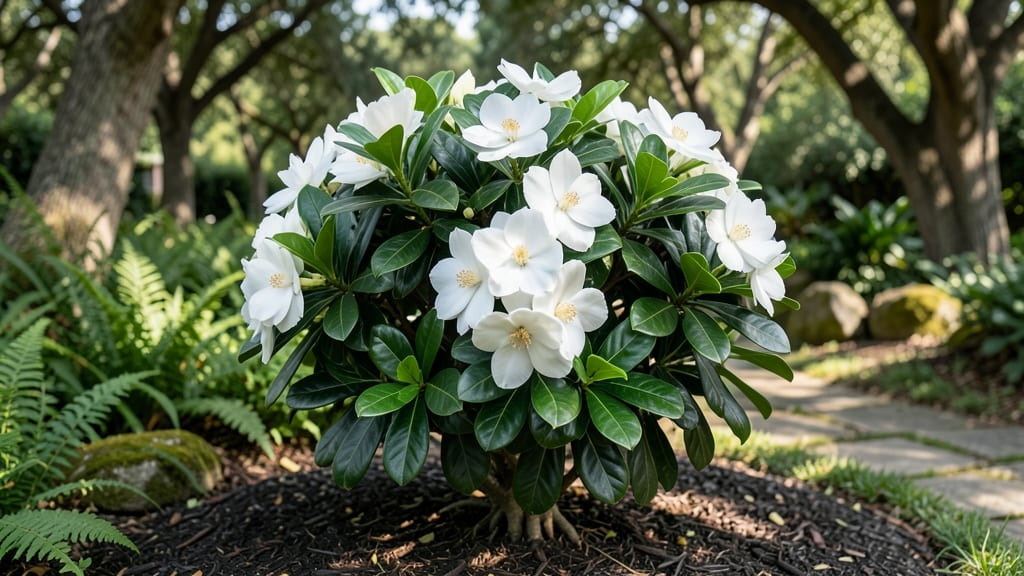
Gardenia plants grow between 2 and 6 feet tall at maturity, depending on the variety and growing conditions—so whether you’re planning a patio container or a backyard border, size matters.
Picture this: a 4-foot gardenia 🌸 blooming with creamy white flowers, its glossy leaves filling a corner of your garden, or a compact 2-foot dwarf variety perched on your deck. The difference isn’t just aesthetics—it’s about space, sunlight, and how much pruning you’re willing to tackle.
Some gardenias, like the classic Gardenia jasminoides, reach their full height in just a few years, while others stay smaller with the right care. Below, I break down the exact dimensions for popular varieties and share the pruning secrets that keep them at your ideal size.
Ready to choose the perfect gardenia for your space? You’ll find out which types thrive in tight spots, how to control sprawling growth, and the one pruning mistake that stunts blooms.
Gardenia plant size by variety: height and spread guide
Choosing a gardenia variety often comes down to space constraints and desired fragrance intensity. While some varieties top out at just 2 feet, others can reach 8 feet with proper care.
Understanding these differences helps you select the perfect plant for your garden or patio. Here’s what to expect from popular types, including their mature height, spread, and ideal growing conditions.
Most gardenias belong to the Gardenia jasminoides species, but hybrids and cultivars offer diverse sizes. For example, Kleim’s Hardy stays compact at 3-4 feet, while Radicans can sprawl up to 6 feet wide with a 4-foot height.
Container growers should prioritize dwarf varieties like Fortuniana, which thrives in 15-gallon pots without outgrowing its space.
Mature size depends on variety, pruning habits, and growing conditions. In USDA Zones 8-10, gardenias grow faster and larger, while cooler climates may limit their height. Always check a variety’s growth rate—some double in size yearly, while others mature slowly over 3-5 years. Below, I’ve organized the most popular types by their typical dimensions.
| Variety | Mature Height | Mature Spread | Best For | Container Size |
|---|---|---|---|---|
| Gardenia jasminoides (Standard) | 4–6 ft | 3–5 ft | Garden beds, hedges | 20+ gallons |
| Kleim’s Hardy | 3–4 ft | 3–4 ft | Small gardens, patios | 10–15 gallons |
| Fortuniana (Dwarf) | 2–3 ft | 2–3 ft | Containers, balconies | 5–10 gallons |
| Radicans (Trailing) | 3–4 ft | 5–6 ft | Trellises, hanging baskets | 15+ gallons |
| Augusta (Large) | 6–8 ft | 4–6 ft | Privacy screens, large yards | Not ideal for containers |
If you’re growing gardenias in containers, prioritize varieties like Fortuniana or Kleim’s Hardy, which thrive in 5–15-gallon pots. Larger varieties like Augusta need in-ground planting due to their massive root systems.
Always choose a pot with drainage holes and use a lightweight potting mix to prevent root-bound issues.
For garden beds, space plants 3–5 feet apart to allow airflow and prevent disease. Overcrowding leads to powdery mildew and fewer blooms. If using gardenias as hedges, opt for Gardenia jasminoides or Radicans—their dense growth habits create lush, fragrant barriers when pruned regularly.
Pruning plays a critical role in managing size. Light pruning after flowering encourages bushier growth, while aggressive cuts in early spring can reset a plant’s height. For example, a 6-foot Augusta can be trimmed to 4 feet with proper technique. Always use sterilized shears to avoid spreading bacterial infections.
Climate also affects size—cooler zones (6-7) may see slower growth, while tropical zones (9-11) can expect faster expansion. In USDA Zone 8, gardenias often reach 80% of their mature size by year three.
If you’re in a drier climate, mulch heavily to retain moisture and support root development.
For patio or balcony gardens, trailing varieties like Radicans add vertical interest when trained on trellises. Their 5–6-foot spread makes them ideal for small spaces, provided you prune them back annually. Pair them with complementary climbers like jasmine or clematis for a fragrant, layered display.
Remember, so
How to control gardenia growth: pruning and care tips
To manage your gardenia’s size, start with pruning in late winter or early spring before new growth begins. This is when the plant is dormant but ready to respond to shaping. I always aim to prune just above a leaf node or bud—this encourages bushier growth and more blooms.
For standard varieties, like Gardenia jasminoides, you can cut back up to one-third of the plant’s height without stressing it.
If your gardenia is growing too tall for its space, focus on height reduction by trimming the longest branches first. Use clean, sharp pruners to avoid tearing the bark, which can invite disease.
For dwarf varieties, like Kleim’s Hardy, light pruning is enough—just remove any leggy stems or spent flowers to maintain their compact shape.
🌸 Pro Tip: Never prune in fall or winter, as this can damage new buds forming for spring blooms. Also, avoid heavy pruning after flowering—this can reduce next year’s bloom count.
🌱 How Big Do Gardenia Plants Get?
Standard varieties reach 4-6 feet tall with a 3-5 foot spread, while dwarf types stay between 2-3 feet tall. Container-grown gardenias often stay smaller (2-4 feet) due to root restriction. Pruning can reduce height by 20-30% if done annually.
Fertilization plays a huge role in controlling growth. Gardenias thrive on a balanced, acidic fertilizer (like 10-10-10) applied every 4-6 weeks during spring and summer. Over-fertilizing leads to lush foliage but fewer flowers, while under-fertilizing stunts growth.
I always mix fertilizer into the top inch of soil and water it in to avoid root burn.
Sunlight is another critical factor. Gardenias need 4-6 hours of morning sun to bloom well but can scorch in hot afternoon rays. If your plant is growing too leggy, it might be reaching for more light.
Move it to a sunnier spot or add a sheer curtain to filter harsh light. In containers, ensure pots have drainage holes to prevent root rot from overwatering.
Seasonal adjustments can also help. In summer heat, mulch around the base to keep roots cool, and water deeply in the morning. During winter dormancy, reduce watering but keep the soil slightly moist. This balance prevents sudden growth spurts that can make pruning harder later.
Finally, shape your gardenia as it grows—a little maintenance now saves major pruning later. Pinch back new growth in early summer to encourage fuller branches. With the right care, you can keep your gardenia at your desired size while enjoying its fragrant blooms year after year.