
How To
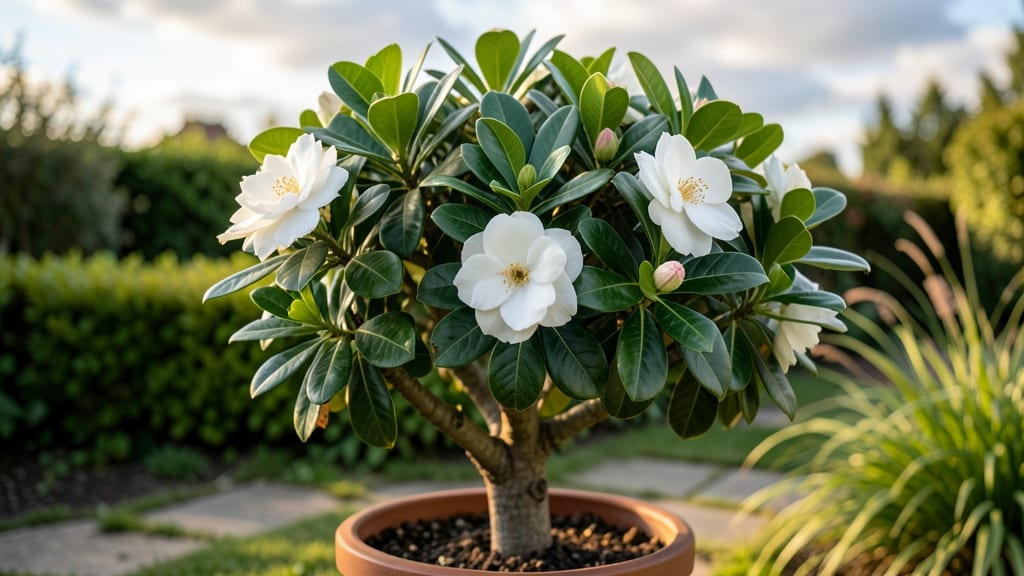
Gardenias grow anywhere from 2 feet to over 15 feet tall, depending on the variety and growing conditions, so choosing the right type for your space is everything.
Picture this: You’ve just planted a stunning 🌸 gardenia, dreaming of fragrant blooms and lush greenery—only to realize in a few years it’s outgrown your patio or crowded out your neighbors’ prized roses.
The good news? Some varieties stay compact, while others reach tree-like heights, and knowing the difference saves you (and your garden) a lot of headaches.
Standard gardenias like G. jasminoides can tower up to 15 feet, making them perfect for large landscapes or privacy screens, while dwarf varieties like G. augusta ‘Radicans’ max out at 3 feet—ideal for containers or small yards.
Soil acidity, pruning habits, and even your climate zone (like USDA Zone 6a) play a huge role in how big they’ll get.
In this guide, you’ll discover the exact mature sizes of the most popular gardenias, spacing tips to avoid overcrowding, and pruning tricks to keep them at your desired height—so you can enjoy their intoxicating scent without the stress of a runaway shrub.
Gardenia size by variety: mature height and spread guide
Choosing a gardenia means deciding between a compact accent plant or a statement shrub. The most popular varieties span from 2-foot dwarf specimens to 15-foot tropical giants. Your garden's layout—and your pruning skills—will determine which size thrives best in your space.
Gardenias grow at different rates based on their species. G. jasminoides, the classic Cape Jasmine, typically reaches 6-10 feet with a 4-6 foot spread. Meanwhile, G. augusta varieties like 'Radicans' stay under 3 feet, perfect for containers or small gardens.
Understanding these differences helps you plan for proper spacing and long-term maintenance.
Here’s how popular gardenia varieties compare in size at maturity, along with their ideal spacing for full, healthy growth:
If you're planting gardenias in containers, dwarf varieties like 'Radicans' or 'Veitchii' thrive in 15-20 gallon pots. For in-ground planting, follow the spacing guidelines to avoid overcrowding, which can lead to poor air circulation and fungal diseases.
For fast-growing varieties like 'Fortuniana', expect 1-2 feet of growth per year. Slower growers, such as 'Radicans', may only add 6 inches annually. Pruning in late winter or early spring helps control height and encourages dense, bushier growth.
Your climate zone also affects gardenia size. In warmer zones (8-11), gardenias grow larger and faster. In cooler zones (6-7), they may stay smaller unless you choose hardy varieties like 'Kleim’s Hardy'. Always check your USDA zone before selecting a variety.
Pro tip: Plant gardenias near support structures if you’re growing taller varieties. A trellis or obelisk can help train vining types like 'Radicans' vertically, saving space while adding height to your design.
Remember, gardenias reward patience. While they grow slowly in their first year, they’ll establish a strong root system for years of fragrant blooms. Choose a variety that fits your space, and you’ll enjoy their creamy flowers and intoxicating scent for decades.
🌸
How gardenia growth habits affect your landscape design
Understanding how gardenias grow helps you design a landscape that balances beauty and practicality. These fragrant shrubs grow at different rates and reach varying heights, so their placement and care depend on your variety and climate.
For example, tropical gardenias like G. jasminoides grow faster in warm zones, while hardy varieties like Kleim’s Hardy adapt better to cooler climates. Your pruning and training techniques will also shape their final size and form.
Fast-growing gardenias can reach 6–15 feet tall in ideal conditions, while slower varieties stay under 3 feet. This dramatic difference means you’ll need to plan spacing, sunlight exposure, and pruning strategies carefully.
For instance, a 10-foot gardenia planted too close to a patio will eventually overshadow it, while a compact variety might struggle in deep shade. Let’s explore how to use these growth habits to your advantage.
⚠️ callout-warning
Many gardeners underestimate how big gardenias get, especially fast-growing varieties. Planting them too close to walls, fences, or other plants restricts airflow, increasing risks of fungal diseases and root competition. For example, a 6-foot gardenia needs at least 5–6 feet of clearance on all sides to thrive. Always check your variety’s mature size before planting!
Start by matching your gardenia’s growth rate to your climate. In USDA Zones 8–11, tropical gardenias grow aggressively, while in Zones 6–7, hardy varieties like Kleim’s Hardy grow slower but are more cold-resistant.
If you live in a temperate zone, opt for dwarf varieties like G. augusta ‘Radicans’ to keep growth manageable. Slow growers (6–12 inches per year) are ideal for small gardens or containers, while fast growers (12–24 inches per year) suit large landscapes or privacy screens.
Pruning plays a crucial role in controlling gardenia size and shape. For fast-growing varieties, prune in late winter or early spring to remove up to one-third of the plant and encourage bushier growth. Use clean, sharp shears to make cuts just above a leaf node.
For slow-growing gardenias, minimal pruning is needed—just remove dead or overcrowded branches. Avoid heavy pruning in fall, as it stimulates new growth that won’t harden off before winter.
Sunlight needs also influence gardenia growth habits. Most varieties thrive in morning sun and afternoon shade, especially in hot climates. If planted in full sun, gardenias may grow taller but produce fewer blooms due to stress.
In shady spots, growth slows, and flowers become sparse. To maximize blooms, place gardenias where they receive 4–6 hours of filtered sunlight daily. Use light-colored mulch to reflect heat and protect roots in hot afternoons.
Common mistakes include ignoring a gardenia’s mature size, over-pruning young plants, or planting in the wrong soil. Gardenias hate alkaline soil—they need acidic soil (pH 5.0–6.0) to flourish. Amend your soil with peat moss or sulfur if needed, and water deeply but infrequently to prevent root rot.
With the right care, you can train gardenias to fit your space beautifully, whether as a hedge, specimen plant, or container centerpiece.
By aligning your gardenia’s growth habits with your landscape design, you’ll create a fragrant, low-maintenance focal point that thrives for years. Start with the right variety, prune strategically, and give it the perfect spot—your garden will thank you with abundant blooms and lush foliage.