
How To
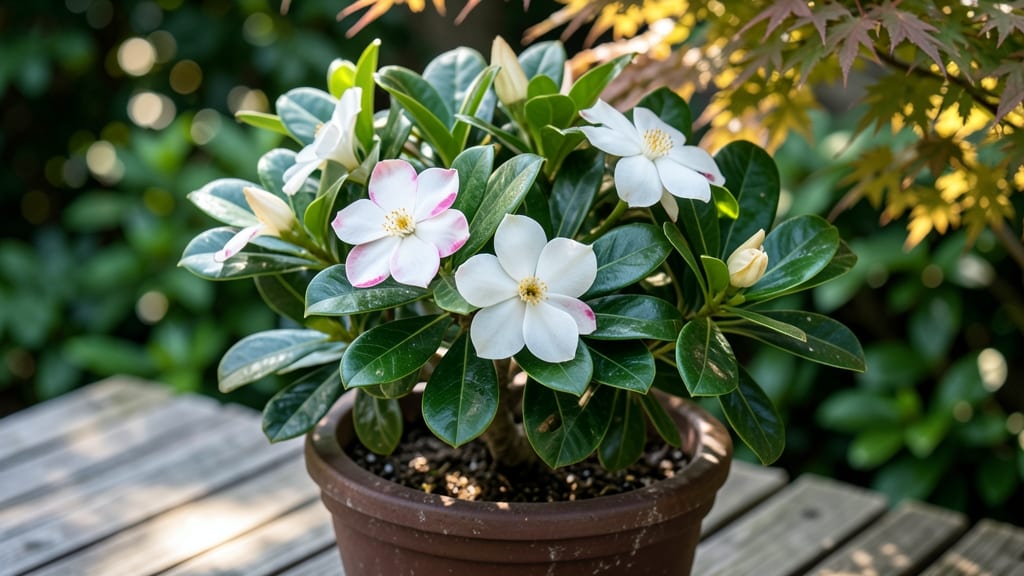
Gardenia blooms typically last anywhere from 1 to 3 weeks per flower, but with the right care, you can stretch that time—and even encourage multiple bloom cycles throughout the season.
If you’ve ever admired gardenias’ intoxicating fragrance and velvety blooms, you know their fleeting beauty makes them even more special—but how long can you actually enjoy their flowers?
The answer depends on the variety, growing conditions, and care techniques you use, and getting it right can extend their bloom time dramatically.
Some gardenia varieties, like the classic Gardenia jasminoides 🌸, produce flowers that last 2 to 3 weeks when happy, while others may only hold up for 7 to 10 days if stressed.
Climate plays a role too—humid, tropical conditions keep blooms fresher longer, while dry or cold spells can shorten their lifespan.
Below, I’ll break down how to maximize bloom duration, from choosing the right variety for your zone to pro tips like pruning, soil pH tweaks, and hydration schedules that keep your gardenias flowering for months.
Gardenia bloom duration by variety: from 1 week to 3 months
If you’ve ever wondered why some gardenias burst into bloom for just 1 week while others grace your garden for 3 months, the answer lies in their genetics and growing conditions. Gardenia jasminoides, the most common variety, typically blooms for 2-4 weeks per flush, but with proper care, you can coax multiple cycles from spring through fall.
The key difference? Tropical varieties like G. radicans often outlast their temperate cousins due to their year-round growth potential.
Climate plays a huge role in bloom duration. In USDA Zones 10-11, gardenias can bloom continuously with minimal dormancy, while Zones 7-9 experience 2-3 bloom cycles per year. Even in colder zones, selecting the right variety can mean the difference between 1-week wonders and month-long displays.
Let’s break down the bloom champions and how to maximize their potential.
Here’s how popular gardenia varieties compare in bloom longevity, seasonal expectations, and climate adaptability:
| Variety | Bloom Duration | Bloom Cycles/Year | Climate Zone Fit | Peak Bloom Season |
|---|---|---|---|---|
| Gardenia jasminoides (Common Gardenia) | 2-4 weeks per flush | 2-3 cycles (Zones 7-9) Year-round (Zones 10-11) |
Zones 7-11 | Spring, Summer, Fall |
| Gardenia augusta (Cape Jasmine) | 1-2 weeks per flush | 1-2 cycles (Zones 7-9) Year-round (Zones 10-11) |
Zones 8-11 | Late Spring, Summer |
| Gardenia radicans (Coral Gardenia) | 3-6 weeks per flush | 3-4 cycles (Zones 7-9) Year-round (Zones 10-11) |
Zones 7-11 | Spring, Fall |
| Gardenia fortuniana (Japanese Gardenia) | 2-3 weeks per flush | 1-2 cycles (Zones 7-9) Year-round (Zones 10-11) |
Zones 8-11 | Summer, Early Fall |
| Gardenia tabucensis (Wild Gardenia) | 1 week (single flush) | 1 cycle (Zones 10-11) | Zones 10-11 | Spring |
Gardenia jasminoides and G. radicans are the bloom duration standouts, with G. radicans often producing 3-6 week displays thanks to its climbing habit and tropical resilience. In contrast, G. augusta and G. fortuniana prioritize fragrance over longevity, blooming briefly but intensely. If you’re in Zones 7-9, focus on G. jasminoides or G. radicans for the longest seasonal enjoyment.
The secret to extending bloom time lies in mimicking tropical conditions. Gardenias native to humid, warm climates (like G. radicans) thrive with consistent moisture and high humidity.
In drier temperate zones, mulching with pine bark or using a humidifier nearby can trick your plant into thinking it’s in its native habitat. Even a 10% increase in humidity can add 1-2 weeks to each bloom cycle.
Seasonal expectations also shift with latitude. In southern climates, gardenias may bloom year-round with minimal rest, while northern gardeners should plan for spring and fall flushes.
For example, my G. jasminoides in Zone 8 blooms from May to October with 3-week gaps between cycles—until I started pruning spent blooms and fertilizing with acidic nutrients.
One common misconception is that larger blooms always last longer. In reality, smaller, double-petaled varieties (like 'Kleim’s Hardy') often outlast single, showy blooms because their energy isn’t drained by supporting massive flower heads. For maximum longevity, choose compact varieties like 'Radicans' or 'Fortuniana', which balance
5 Proven care tips to double gardenia bloom longevity
To extend your gardenia blooms from 1-2 weeks to up to 3 months of continuous flowering, focus on five key care strategies. These techniques address the plant’s natural needs while preventing common stress factors that shorten bloom time.
Start with soil pH adjustments, as gardenias thrive in acidic conditions (pH 5.0–6.0)—a simple test and amendment can transform your plant’s health overnight.
Next, refine your pruning techniques to encourage dense, bushier growth. Prune after flowering to remove dead or crossing branches, which redirects energy toward new blooms.
Pair this with a hydration schedule that mimics their tropical origins: deep watering in the morning to avoid fungal risks, with 1-2 liters per plant every 3-5 days during peak bloom season.
Optimizing light exposure is another game-changer. Gardenias love morning sun (4-6 hours) but need afternoon shade to prevent leaf scorch. If growing indoors, place them near an east-facing window where they receive bright, indirect light without overheating.
Finally, pest and disease prevention is critical—aphids and powdery mildew can defoliate your plant, cutting bloom time short.
For gardeners in temperate climates, winter care is the most critical factor for next season’s blooms. Start by reducing watering to every 2 weeks and stop fertilizing after early fall. Wrap the base of young plants with burlap or mulch to protect roots from freezing temperatures.
In USDA Zone 6a, this means covering plants by November 1st and uncovering them after the last frost in April.
If your gardenias still struggle to bloom longer, check for over-fertilizing—too much nitrogen promotes foliage but stops flowers. Switch to a balanced, acidic fertilizer (like azalea mix) every 6 weeks during spring and summer.
Pair this with a layer of mulch to retain moisture and regulate soil temperature, which keeps roots happy and blooms lasting longer.
With these strategies, you’ll transform your gardenias from short-lived bloomers into season-long stars, filling your garden with fragrance and color from spring through early fall. The key is consistency—small, regular adjustments make the biggest difference in bloom longevity. 🌸