
How To
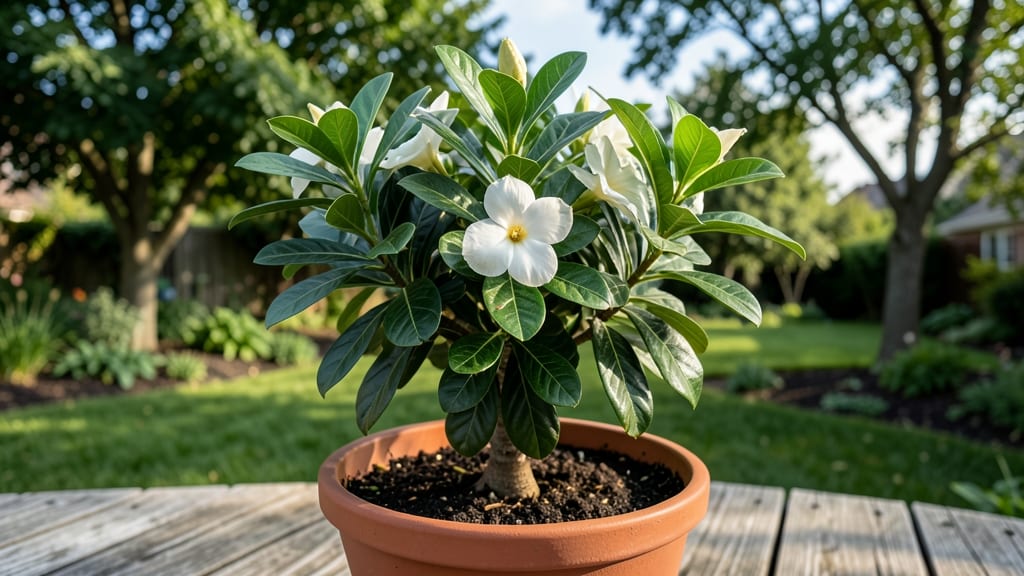
Gardenias grow anywhere from 1 to 6 feet tall, depending on the variety and how you care for them — a range that can turn a tiny patio plant into a towering shrub if you’re not careful.
If you're dreaming of fragrant, glossy gardenias 🌸 but wondering whether they’ll dwarf your patio or fit neatly in a container, you’re in the right place. Some varieties stay compact, while others reach for the sky, and the difference often comes down to pruning, sunlight, and soil.
Knowing what to expect upfront saves you from surprises — and possibly a lot of trimming.
Popular gardenias like Gardenia jasminoides typically hit 3 to 5 feet at maturity, but dwarf varieties like Gardenia augusta stay under 2 feet, making them perfect for containers.
Meanwhile, unpruned gardenias can stretch toward 6 feet in ideal conditions, so where you plant them matters just as much as which type you choose.
Below, I’ll break down the exact heights for common varieties, how to control growth through pruning, and whether your space can handle a full-sized shrub or just a small, fragrant accent. No guesswork — just the facts you need to plan your gardenia’s future.


Gardenia height by variety: exact growth ranges for common types
If you're planning your garden layout or choosing gardenias for containers, knowing their mature height is crucial. Gardenias can range from compact dwarf varieties perfect for small spaces to towering tropical shrubs that need room to spread.
The most common species, Gardenia jasminoides, typically grows between 3 to 6 feet tall, but some varieties stay under 2 feet while others reach 8 feet or more in ideal conditions.
Height isn't just about the variety—it's also influenced by pruning practices, sunlight exposure, and soil acidity. For example, a heavily pruned gardenia might stay at 3 feet even if its natural height is 6 feet.
Meanwhile, tropical gardenias like Gardenia augusta can grow 10 feet tall in warm climates with minimal pruning. Let's explore the exact growth ranges for popular types.
🌿 Visual Comparison: Imagine a dwarf gardenia (1-2 ft) sitting on your patio table, while a standard gardenia (4-6 ft) reaches your waist. Some giant varieties can even top 8 feet, making them small trees in your landscape. The key is selecting the right variety for your space and growth goals.
📊 Comparison Table:
For container gardening, prioritize dwarf varieties like 'Mystery' or 'Fortuniana', which thrive in 15-gallon pots and stay under 2 feet tall. These are ideal for balconies or patios where space is limited.
In contrast, tropical varieties like Gardenia augusta need yard space to reach their full 10–15 foot height and should be planted as specimen plants in large gardens.
If you're growing gardenias in USDA Zones 8–11, expect faster growth and larger sizes, especially for tropical species. In cooler zones (like Zone 7), varieties like 'Kleim's Hardy' are better suited, as they tolerate mild frosts and grow more slowly.
Always check your local climate and microclimate—a gardenia in a sheltered, sunny spot may grow 2 feet taller than one in a shady, windy area.
Pro tip: Prune in late winter to control height and encourage bushier growth. Remove 1/3 of the oldest stems to rejuvenate the plant and prevent it from becoming leggy or top-heavy. This is especially useful for taller varieties like 'Radicans', which can become unruly without regular maintenance.
For maximum fragrance, avoid over-pruning—gardenias produce flowers
How pruning and care affect gardenia height: expert tips to control growth
Pruning your gardenia isn't just about shaping its appearance—it's the secret weapon for controlling its height and bushiness. If you've noticed your gardenia reaching for the sky faster than expected, it's likely due to overgrown branches or lack of pruning.
The good news? With the right techniques, you can keep it compact or encourage taller growth when desired.
Gardenias naturally grow between 3 to 6 feet tall, but their height can double or halve depending on your care routine. For example, regular pruning after flowering can stunt growth by up to 50% in a season, while neglecting pruning can lead to leggy, unruly shrubs.
Let’s break down how to manage gardenia height like a pro.
Start with sunlight management, as gardenias crave 4-6 hours of morning sun but burn in afternoon heat. Too much direct sun can trigger rapid vertical growth, while filtered light keeps them shorter and bushier.
If your gardenia is already taller than desired, move it to a shadier spot and watch it slow its upward climb within weeks.
Pruning is your next power move. The best time to trim gardenias is right after flowering, typically in late spring or early summer. Use clean, sharp shears to cut back 1/3 of the plant's height—this stimulates bushier growth and prevents leggy stems.
Avoid pruning in fall or winter, as new growth won’t harden off before cold snaps.
Don’t overlook soil and nutrients, either. Gardenias thrive in acidic soil (pH 5.0-6.0), and poor soil conditions can stunt growth or cause uncontrolled height spikes. Amend your soil with peat moss or sulfur and fertilize lightly every 4-6 weeks during spring and summer.
Over-fertilizing leads to soft, weak stems that flop or grow too fast.
Finally, watering habits play a surprising role in height control. Gardenias hate soggy roots, which can stress the plant and trigger erratic growth.
Water deeply but infrequently—aim for 1 inch per week—and always water at soil level to avoid wetting leaves, which promotes fungal issues that weaken the plant.
With these expert tips, you’ll master gardenia height like a seasoned gardener. Whether you want a compact patio shrub or a tall, fragrant centerpiece, the control is in your hands—literally! ✂️🌿