
Light Requirements
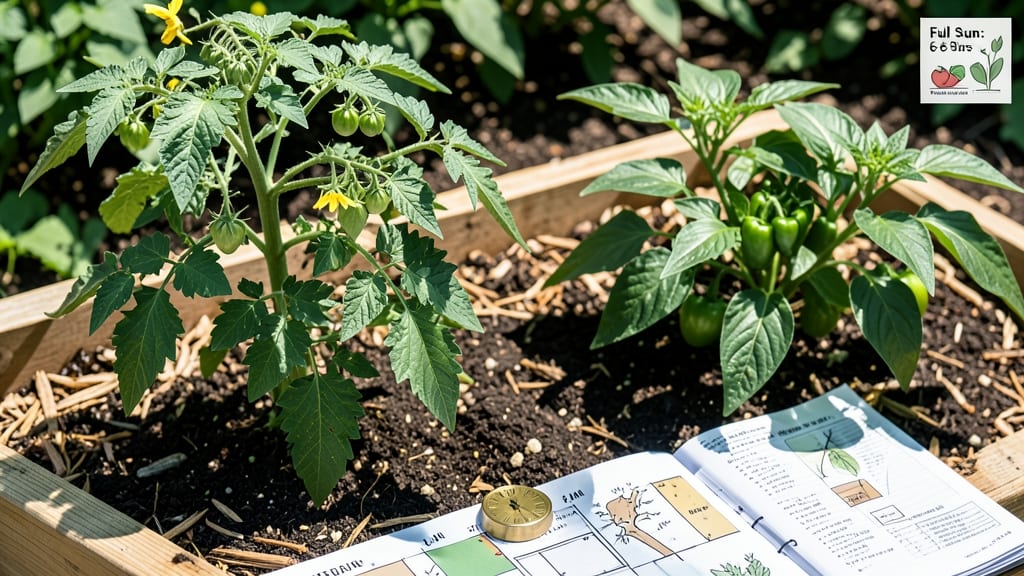
A vegetable garden needs 6 to 8 hours of sunlight daily to thrive, but too much or too little can spell disaster for your 🥕 harvest.
Struggling to grow a thriving vegetable garden? Sunlight is the #1 factor determining success—or failure—yet most gardeners get it wrong by misjudging their plants' needs.
Think about it: a tomato plant wilting in shade or leafy greens bolting under scorching sun are classic signs of sunlight mismanagement. The good news? With the right balance, you can maximize yields and avoid common pitfalls.
In this guide, I’ll break down exactly how many hours different crops need, how to measure sunlight in your yard, and pro tips to optimize growth—no guesswork required.


Sunlight requirements by vegetable type: full sun vs partial shade needs
Sunlight is the lifeblood of your vegetable garden, but not all plants crave the same amount. Full sun (6+ hours of direct light) fuels heavy producers like tomatoes, while partial shade (3-6 hours) suits leafy greens.
Misjudging sunlight leads to stunted growth, poor yields, or even plant death. Let’s break down the sunlight spectrum for 20+ common vegetables, so you can place every plant in its ideal light zone.
Most gardeners assume "full sun" means all day, but intensity matters too. Morning sun (cooler) benefits leafy crops, while afternoon sun (hotter) can scorch delicate varieties. Shade-tolerant plants thrive in 3-6 hours of light, making them perfect for north-facing beds or under tall crops.
Below, we categorize vegetables by their sunlight needs, including growth impacts when light is mismatched.
🌱 Pro Tip: Use a sunlight journal for a week to track how much light each spot gets. Mark shadows from fences, trees, or buildings—these create microclimates that change sunlight exposure by 20-30%.
| Vegetable | Sunlight Needs | Growth Impact of Too Little Sun | Growth Impact of Too Much Sun |
|---|---|---|---|
| Tomatoes | 6-8+ hours (Full sun) | Stunted growth, fewer fruits, weak stems | Sunburn on fruit, bitter taste, cracked skins |
| Peppers | 6-8 hours (Full sun) | Slow ripening, small peppers, leggy plants | Blossom drop, fruit scorch, reduced sweetness |
| Cucumbers | 6-8 hours (Full sun) | Pale, bitter cucumbers, powdery mildew | Overly bitter, cracked fruit, wilting |
| Lettuce (Leaf) | 3-6 hours (Partial shade) | Bolting (premature flowering), bitter taste | Bitter leaves, rapid bolting, poor texture |
| Spinach | 3-5 hours (Partial shade) | Slow growth, yellowing leaves | Bolting, tough leaves, reduced yield |
| Carrots | 5-6 hours (Partial sun) | Slow maturation, small roots | Bitter flavor, stunted growth |
| Beets | 5-6 hours (Partial sun) | Pale roots, slow growth | Wooden stems, reduced sweetness |
| Green Beans | 6-8 hours (Full sun) | Leggy plants, fewer pods | Overly fibrous pods, reduced yield |
| Swiss Chard | 4-6 hours (Partial shade) | Slow growth, pale stems | Bitter taste, rapid bolting |
| Kale | 4-6 hours (Partial shade) | Slow growth, loose heads | Bolting, tough leaves, reduced sweetness |
| Basil | 6-8 hours (Full sun) | Leggy stems, weak flavor | Sunburn, bitter leaves, stunted growth |
| Parsley | 3-5 hours (Partial shade) | Slow growth, sparse foliage | Bitter taste, yellowing leaves |
| Radishes | 4-6 hours (Partial sun) | Slow germination, small roots |
How to calculate your garden's sunlight zones for maximum yieldUnderstanding your garden's sunlight zones is the secret to growing a productive vegetable patch. Without proper mapping, you might waste space planting tomatoes in shady spots or struggle with leggy lettuce in full sun. The key is to observe sunlight patterns throughout the day and adjust your planting plan accordingly. Start by identifying your garden's microclimates—areas that receive different sunlight levels due to structures, slopes, or nearby trees. Even a 10-foot difference in elevation can change sunlight exposure by 1-2 hours. Use a simple sunlight journal for a week to track how shadows move across your yard. Step-by-Step Sunlight Zone Mapping
For precise measurements, use a sunlight calculator or smartphone app like Sun Surveyor to map your yard's exposure. These tools help visualize how shadows shift throughout the day, ensuring you place sun-loving crops in the right zones. Don’t forget to account for seasonal shifts—what’s full sun in summer may be partial shade in winter. If your garden has low-sun areas, focus on shade-tolerant crops like kale, Swiss chard, or bush beans. These thrive with 3-4 hours of sun and can even handle dappled shade. Group them near taller plants or fences that cast afternoon shadows, creating a natural partial-shade microclimate. Once you’ve mapped your zones, sketch a garden layout with sunlight notes. Label each area with its hourly sun exposure and match it to your plants' needs. This simple step can double your harvest by ensuring every plant gets the right light conditions. Pro tip: Use stakes or flags to mark your garden’s sun zones before planting. This visual guide will help you avoid common mistakes like planting peppers in shade or lettuce in scorching afternoon sun. With accurate sunlight mapping, you’ll grow a balanced, high-yield garden tailored to your yard’s unique conditions. 🌱 |