
Watering
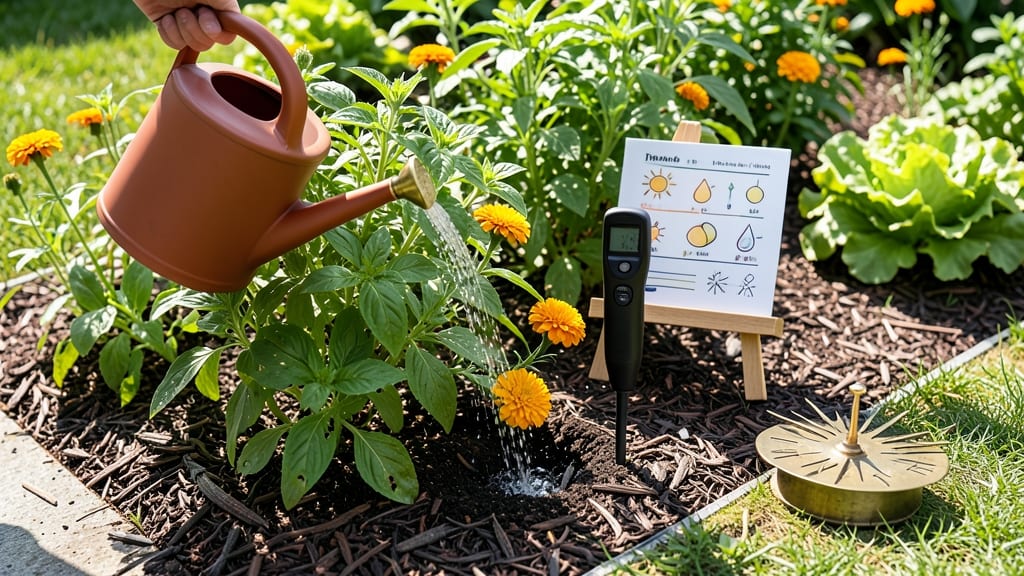
How much water does a garden need per day? The answer isn’t as simple as a quick sprinkle—most gardens thrive with about 1 to 3 inches of water per week, but the exact amount depends on plant type, soil, and climate—not just a daily splash from the hose.
Picture this: You water your tomatoes every morning, yet the leaves still crisp at noon. Or your roses drink up gallons, only to wilt by afternoon. That’s not guesswork—it’s a mismatch between what your garden needs and what you’re giving it.
The solution? A science-backed approach that adjusts for heat, soil drainage, and even the time of day you water.
In this guide, we’ll break down the daily water needs for vegetables, flowers, and lawns, plus how to tell if your garden is thirsty, drowning, or just plain confused. No more wasted water or sad plants—just the perfect amount, every time.
You’ll learn how to read your soil, spot the signs of over- or under-watering, and tweak your routine for spring’s unpredictable rains or summer’s scorching heat. Let’s get your garden drinking right.
Daily water requirements by plant type: science-backed measurements
Determining how much water your garden needs daily isn't about following a one-size-fits-all rule. Instead, it depends on plant type, root depth, and environmental conditions. For example, leafy greens like lettuce need consistent moisture, while deep-rooted plants such as tomatoes thrive with less frequent but deeper watering.
Understanding these differences ensures your garden stays hydrated without wasting water.
Soil moisture is the key metric—most plants require 1 to 1.5 inches of water per week, but this varies by season. In summer, evaporation rates soar, so you might need to water daily for shallow-rooted plants, while winter often reduces needs to once every 10 days.
Humidity also plays a role: dry air in desert climates demands more frequent watering than humid coastal regions.
Here’s a breakdown of daily water needs by plant category, including how to adjust for temperature and soil type:
Shallow-rooted plants like basil or marigolds dry out quickly, so they need daily checks during heatwaves. Meanwhile, deep-rooted oak trees or roses can go 7–10 days between waterings if established, thanks to their extensive root systems.
The trick is to water deeply—aim for 6–12 inches down—to encourage roots to grow deeper, making plants more drought-resistant over time.
Environmental factors like wind and humidity also tweak your watering schedule. For instance, a dry, windy day can evaporate moisture twice as fast as a calm, humid one.
Use a soil moisture meter or the finger test (stick your finger 1–2 inches into the soil; if dry, water) to avoid over- or under-watering. Pro tip: Morning watering reduces evaporation and fungal risks compared to evening sessions.
Seasonal shifts demand flexibility. In spring, focus on establishing roots with frequent, light watering. By summer, switch to deep, infrequent watering to build resilience. Fall is a great time to taper off, letting plants prepare for winter dormancy.
Always mulch—2–4 inches of organic mulch retains moisture and regulates soil temperature, cutting water needs by up to 30%.
Signs of overwatering include yellowing leaves, mold, or roots growing above soil, while underwatering shows wilting, crispy edges,
How to calculate your garden’s exact water needs using the soil moisture test
Most gardeners guess how much water their plants need, but that leads to either overwatering (which drowns roots) or underwatering (which stresses plants). The soil moisture test is your secret weapon for precision watering—it tells you exactly when and how much to water based on your garden’s unique conditions.
Unlike rigid schedules, this method adapts to your soil type, plant needs, and weather patterns, ensuring optimal hydration without waste.
Before grabbing your watering can, I recommend testing your soil’s moisture level at least twice daily: once in the morning and once in the evening. This helps you understand how quickly your soil dries out, which varies wildly between sandy soil (dries fast) and clay soil (holds moisture longer).
The key is to water only when the soil reaches the right dryness level for your plants—never on a fixed schedule.
-
Step 1: Choose Your Tool
Use a moisture meter (for accuracy) or the finger test (DIY method). For the finger test, stick your index finger 1-2 inches into the soil. -
Step 2: Check Moisture Level
If soil feels dry at 1 inch deep, it’s time to water. If damp at 2 inches, wait 1-2 days. Clay soil stays moist longer; sandy soil dries faster. -
Step 3: Water Deeply
Apply water until it seeps 6-12 inches deep (use a soil probe or screwdriver to check). Shallow watering encourages weak roots. -
Step 4: Adjust for Season
In summer, soil dries faster—test moisture daily. In winter, reduce watering by half and test weekly. -
Step 5: Monitor Plant Signs
Wilted leaves or yellowing foliage? You’re underwatering. Mushy stems or fungus? You’re overwatering. Adjust accordingly.
Signs of overwatering include yellow leaves, moldy soil, or plants that feel mushy when touched. Underwatering, on the other hand, shows up as crispy leaf edges, drooping stems, or soil pulling away from pot edges.
Both extremes stress plants, so the soil moisture test keeps you in the sweet spot of hydration. Pro tip: Mulch your garden beds to retain moisture and reduce evaporation, cutting your watering needs by up to 30%.
Don’t let seasonal changes throw off your routine. In spring, when rain is unpredictable, rely on the soil test every 2-3 days. During summer heatwaves, test daily and water early in the morning to prevent evaporation.
Even drought-resistant plants like lavender or succulents need occasional deep watering—just less frequently. The soil moisture test ensures you’re not guessing, which means healthier plants and a water-efficient garden.
Start today by testing your soil’s moisture in the morning and evening for a week. Track your findings in a garden journal to spot patterns. Soon, you’ll know exactly when your tomatoes, roses, or herbs need water—no more wasted gallons or sad, thirsty plants.
Your garden will thank you with lush growth and vibrant blooms!