
How To
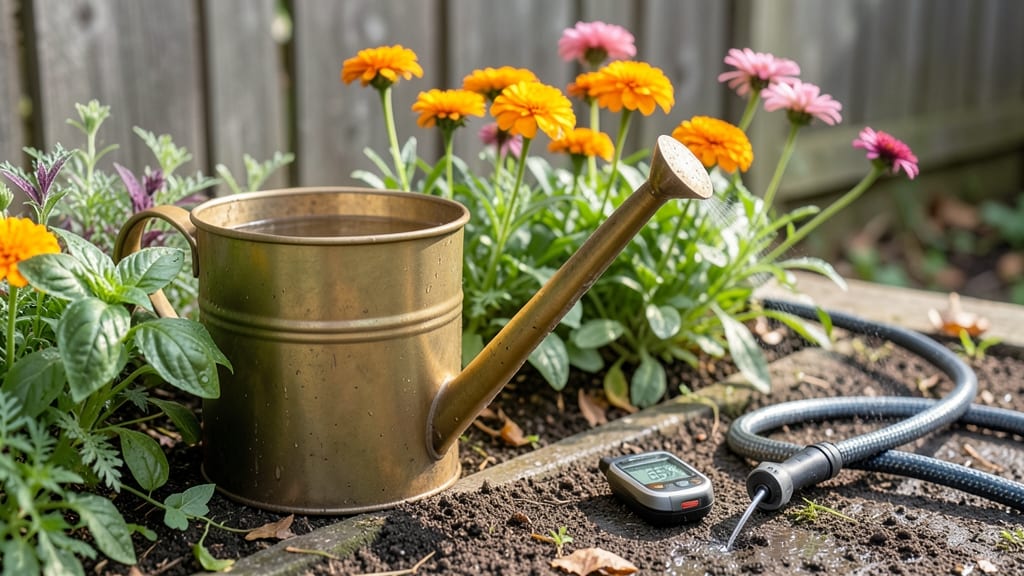
To water your garden the right way, you need a schedule that matches your soil type and plant needs—because guessing leads to wasted water and stressed roots.
Overwatering or underwatering your garden can turn lush plants into wilted casualties—yet most gardeners guess rather than follow science-backed watering schedules tailored to their soil. Whether you’ve got heavy clay that holds moisture for days or sandy soil that drains in hours, the frequency makes all the difference.
This isn’t just about survival—it’s about thriving. A well-watered garden grows faster, resists pests, and produces bigger harvests. But how do you know when to water? The answer depends on your soil, the season, and even the time of day.
Below, I’ll break down the exact watering schedule for different soil types, how to spot over- or underwatering, and the tools that make it effortless—so you can stop guessing and start growing like a pro.
Soil type watering schedule: how often to water based on clay, sand, OR loam
Your garden's soil type determines how often you need to water—clay soil holds moisture like a sponge, while sandy soil drains faster than a sieve. Understanding these differences prevents overwatering or underwatering, which can stress plants or invite pests.
The key lies in the root zone depth and how quickly moisture evaporates from each soil type.
Most gardeners water based on gut feelings, but science shows that clay soil can stay soggy for weeks, while sandy soil may dry out in just a few days.
Even loam soil—the gardener's gold—has its own rhythm. Let’s break down the watering schedule tailored to your soil type, so you can keep your plants thriving without guesswork.
Root zone depth is another critical factor. Most plants develop roots 12-18 inches deep, so watering should penetrate at least that far. Shallow watering encourages shallow roots, making plants more vulnerable to drought. Use a soil probe or dig a small hole to check moisture levels—if the soil is dry at 4 inches deep, it’s time to water.
Seasonal adjustments are non-negotiable. In summer heat, sandy soil may need daily watering, while clay soil might only require a deep soak every 5-7 days. Conversely, in spring or fall, reduce frequency by 30-50% since evaporation slows down.
Pay attention to rainfall patterns too—adjust your schedule if nature does some of the work for you.
For clay soil, focus on deep, infrequent watering to encourage roots to grow deeper. A hose with a gentle spray or soaker hose works best—avoid overhead watering, which can compact the soil further.
If your clay soil feels sticky when wet, it’s likely waterlogged. Let it dry slightly between waterings to prevent root rot.
Loam soil is the easiest to manage because it strikes a balance between moisture retention and drainage. Water in the early morning to reduce evaporation and fungal risks. Aim for 1-1.5 inches of water per week, including rainfall. Use a rain gauge to track accumulation and adjust accordingly. Mulching with straw or wood chips helps retain moisture and regulate soil temperature.
If you have sandy soil, your plants will thirst more often because water drains through like a colander. To combat this, water lightly but frequently—think daily or every other day in summer.
Consider adding organic matter like compost to improve water retention over time. Drip irrigation is ideal here, as it delivers water directly to the roots without wasting it on evaporation.
Don’t forget to test your soil if you’re unsure which type you have.
The jar test is a simple DIY method: fill a jar with soil and water, shake it, then observe how quickly layers settle. Clay will have distinct layers with fine particles at the bottom, while sand will stay cloudy with little separation.
Adjust your watering routine based on these findings for healthier, happier plants.
Seasonal shifts demand flexibility. In spring, when soil is still cool, reduce watering by 20-30% compared to summer.
During fall, taper off as temperatures drop, but keep soil slightly moist to support root growth. Winter watering is minimal—only water if the ground is frozen or plants show signs of drought stress. Always check the top 2 inches of soil before watering; if it’s damp, hold off.
Pro tip: Group plants with similar water needs together in your garden layout. For example, place tomatoes and peppers (which love consistent moisture) near your loam soil beds, while succulents and lavender (drought-tolerant) can thrive in sandy patches.
This zoning strategy simplifies your watering routine and promotes plant health.
Remember, overwatering is just as harmful as underwatering. Yellowing leaves, mold, or plants that wilt
5 Signs you're watering wrong (and how to fix it)
Even with the best intentions, most gardeners accidentally overwater or underwater their plants. The results? Yellowing leaves, wilting stems, or worse—fungal diseases that can kill your garden before it even takes root. The key is recognizing the early warning signs so you can adjust before damage becomes permanent.
I’ve seen it happen time and time again: a thriving tomato plant suddenly drooping because of root rot from too much water, or crisp lettuce turning limp because the soil dried out overnight.
The good news? These mistakes are easy to fix once you know what to look for. Let’s break down the five most common watering errors and how to correct them.
💧 How to Fix Common Watering Mistakes
- 1. Yellowing leaves → Check soil moisture 2 inches down; adjust to deep watering every 3-5 days (not daily light sprinkles).
- 2. Wilting despite wet soil → Test for root rot; reduce watering and improve drainage with compost.
- 3. Powdery mildew → Water at soil level (not overhead) and space plants for airflow.
- 4. Crusty soil surface → Break up clay with organic matter; water slowly and deeply to prevent runoff.
- 5. Stunted growth → Use a moisture meter to confirm soil needs; adjust frequency based on plant type.
Let’s start with the most obvious mistake: overwatering. You might think your plants are thirsty, but soggy soil suffocates roots by cutting off oxygen. Look for yellowing leaves that start at the bottom of the plant—this is a classic sign of root rot.
If you gently tug on the plant and it slides out of the soil easily, that’s another red flag. The fix? Let the top 2 inches of soil dry out between waterings and consider adding perlite or sand to improve drainage.
On the flip side, underwatering causes wilting that doesn’t bounce back, even after you water. Your plants might also develop crispy leaf edges or droop in the afternoon heat. To recover, water deeply and slowly—aim for 1 inch of water per week during dry spells.
For container plants, check moisture daily, as they dry out much faster than in-ground gardens. Mulching can also help retain moisture and keep roots cool.
Uneven watering is another sneaky culprit. If some plants thrive while others struggle, you’re likely creating moisture hotspots. This happens when water pools in low areas or runs off hardpan soil. The solution? Use a soaker hose or drip irrigation to deliver water directly to the root zone.
For slopes, create swales or berms to slow water flow and distribute it evenly. Always water in the early morning to reduce evaporation and fungal risks.
Finally, watch for fungal growth like powdery mildew or black spot on leaves. These thrive in damp conditions, especially when water sits on foliage. If you notice white powder or dark spots, stop overhead watering immediately and water at the base of the plant instead.
Prune affected leaves and apply a copper fungicide if needed. Thinning out plants can also improve airflow and prevent future outbreaks.
Remember, the goal is consistent moisture, not a rigid schedule. Pay attention to your plants’ signals—they’ll tell you exactly what they need. With these fixes, you’ll go from guessing to growing like a pro in no time. 🌱