
Watering
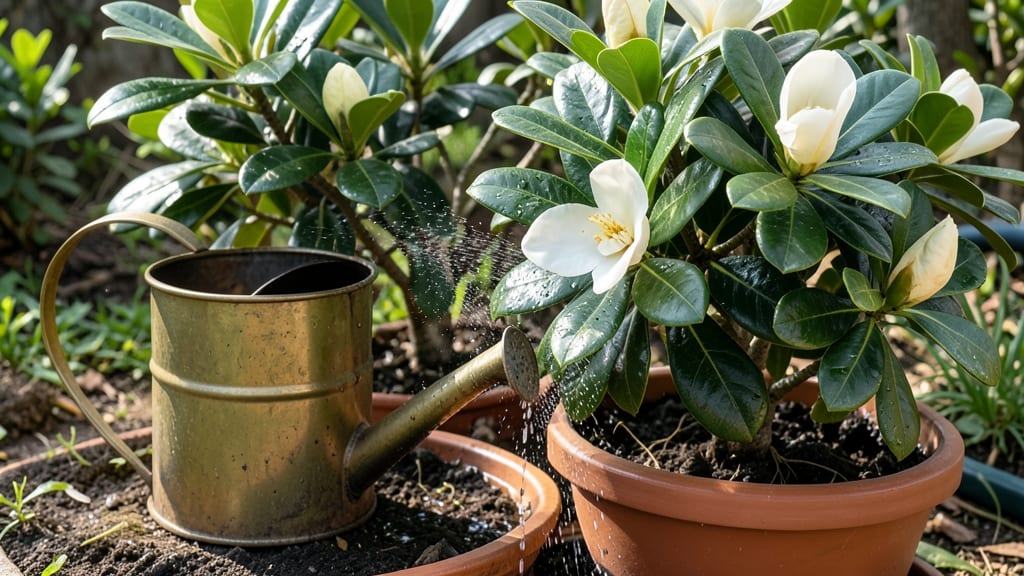
Watering a gardenia plant the right way is the difference between fragrant blooms and sad, droopy leaves — and the key is getting moisture without drowning the roots.
Struggling to keep your gardenia blooming while avoiding the dreaded root rot? The secret lies in mastering the perfect watering routine — neither too much nor too little — while understanding when and how to hydrate this finicky but stunning plant.
Too little water, and the leaves crisp up; too much, and the roots suffocate. It’s a delicate balance that pays off in glorious, fragrant flowers.
Here’s the game-changer: gardenias crave consistently moist soil, but they despise soggy conditions. I’ll show you how to check soil moisture like a pro, adjust for seasonal shifts, and use tools like moisture meters to keep your gardenia 🌸 thriving without the guesswork.
From deep-watering techniques to troubleshooting leaf drop, you’ll learn the exact steps to water your gardenia so it blooms all season long — no overwatering, no wilting, just healthy growth and those coveted white blossoms.
The ideal watering schedule for gardenia plants to prevent rot and promote blooms
Gardenia plants thrive on consistency, but their watering needs are often misunderstood. Too little water causes wilting and bud drop, while too much triggers root rot—a silent killer. The key is maintaining consistently moist soil without creating soggy conditions.
As someone who’s nursed gardenias back from the brink, I’ve learned that timing, technique, and seasonal adjustments make all the difference.
Start by understanding your gardenia’s natural rhythm. These tropical shrubs love humidity but despise waterlogged roots. In their native habitats, they receive steady rainfall, not sporadic downpours. Mimic this by watering deeply once every 2-3 days during warm months, then tapering off in cooler seasons.
The goal is to keep the top 1-2 inches of soil evenly damp—never dry or saturated.
Your gardenia’s watering schedule should adapt to your local climate. In hot, dry regions like Arizona or Texas, I water mine daily in summer using drip irrigation to deliver moisture directly to the roots.
In humid areas like Florida or Louisiana, I reduce frequency but increase airflow around the plant to prevent fungal issues. Always adjust based on rainfall—skip watering if you’ve had 1+ inches of rain in the past week.
Testing soil moisture is non-negotiable. Stick your finger 2 inches deep into the soil—if it feels dry, it’s time to water. For a more precise method, use a moisture meter or the "squeeze test": Grab a handful of soil; if it crumbles easily, water again.
Overwatering is the #1 mistake gardeners make, and gardenias show their displeasure quickly with yellow leaves or blackened stems. Underwatering, meanwhile, causes leaves to curl and buds to drop before opening.
Seasonal shifts demand attention. In spring, when new growth begins, increase watering to support blooming. By late summer, reduce slightly to harden off the plant for fall. Winter care is minimal—only water when the top 2 inches of soil feel dry, as cooler temps slow evaporation.
Pro tip: Use room-temperature water to avoid shocking roots, especially in winter.
Potted gardenias need extra care because their roots are confined. These plants dry out faster than in-ground varieties, so check soil moisture daily in summer. Always water until it drains from the bottom, then empty saucers to prevent root suffocation.
For container gardenias, I swear by self-watering pots—they maintain steady moisture without the guesswork. If your gardenia is in a pot, consider upgrading to one with drainage holes and a saucer to catch excess water.
Watch for these red flags that your watering routine needs adjustment. Yellowing leaves with brown edges? You’re likely overwatering. Crispy leaf tips or wilting? Time to hydrate. Bud drop before blooming? Stress from inconsistent moisture.
My gardenia once lost all its buds due to drought stress—after adjusting to a strict morning watering schedule, it bloomed like crazy the next season. Patience and observation are key.
Mulching is your secret weapon for maintaining ideal moisture levels. Apply a 2-3 inch layer of organic mulch (like pine bark or cypress) around the base of your gardenia
Step-by-step guide: how to water gardenias without causing root rot or wilting
Watering gardenias correctly is an art—too much causes root rot, too little leads to wilting leaves. The key is deep, infrequent watering that mimics their natural tropical habitat while ensuring proper drainage.
Unlike thirsty succulents, gardenias crave consistently moist soil, but their roots need oxygen to thrive. I’ve learned the hard way that shallow watering or cold tap water can stress these beauties, so let’s fix that together.
Start by checking your gardenia’s soil moisture before watering—stick your finger 2 inches deep. If it feels dry, it’s time to hydrate. For potted gardenias, water until it drains from the bottom, while in-ground plants need a slow, deep soak near the root zone.
Avoid wetting the foliage to prevent fungal diseases like powdery mildew. Let’s break this down step by step to keep your gardenia thriving.
For potted gardenias, I recommend using a self-watering pot or a moisture meter to track soil conditions. These plants are heavy drinkers, especially in summer heat, so monitor them closely.
If you notice yellowing leaves or mushy stems, it’s a sign of overwatering—stop watering immediately and repot in fresh, well-draining soil.
In-ground gardenias are more forgiving but still need regular deep watering. Mulch around the base with 2-3 inches of organic mulch (like pine bark) to retain moisture and regulate soil temperature. This simple step can reduce your watering frequency by 30% while keeping roots happy.
Remember, gardenias are not drought-tolerant, but they despise soggy soil. The goal is to keep the soil evenly moist without waterlogging. If you’re unsure, err on the side of underwatering—you can always water more later, but overwatering can kill your plant in days.
With these steps, your gardenia will reward you with glossy leaves and fragrant blooms all season long.