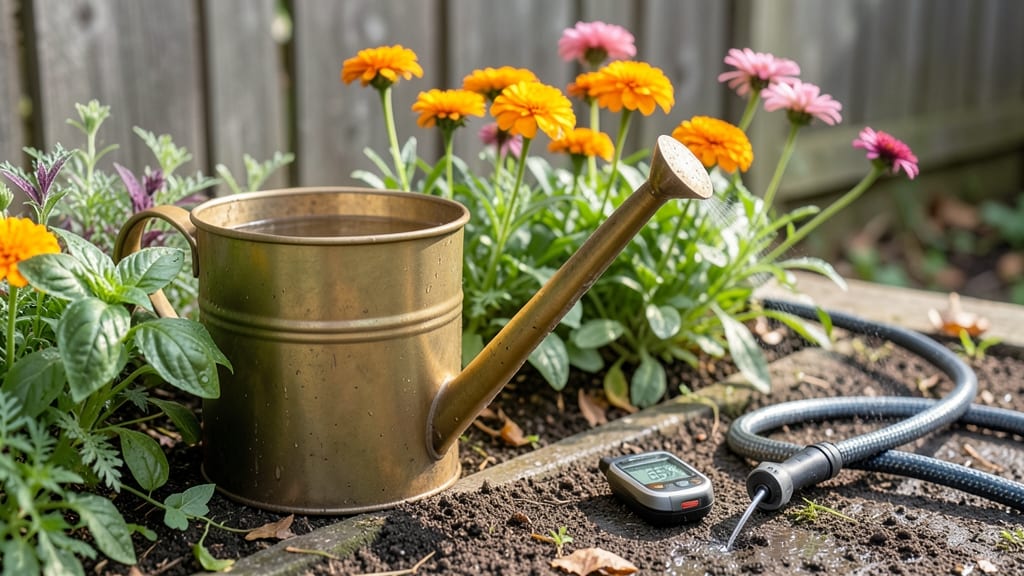
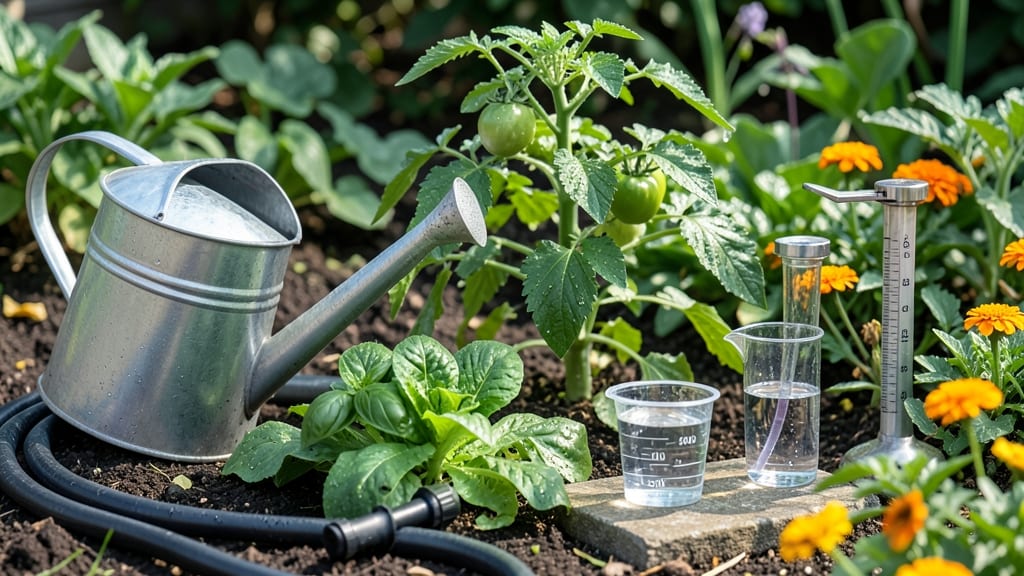
To water your garden the right way, you need a schedule that matches your soil type and plant needs—because guessing leads to wasted water and stressed roots. Overwatering or underwatering your garden can turn lush…
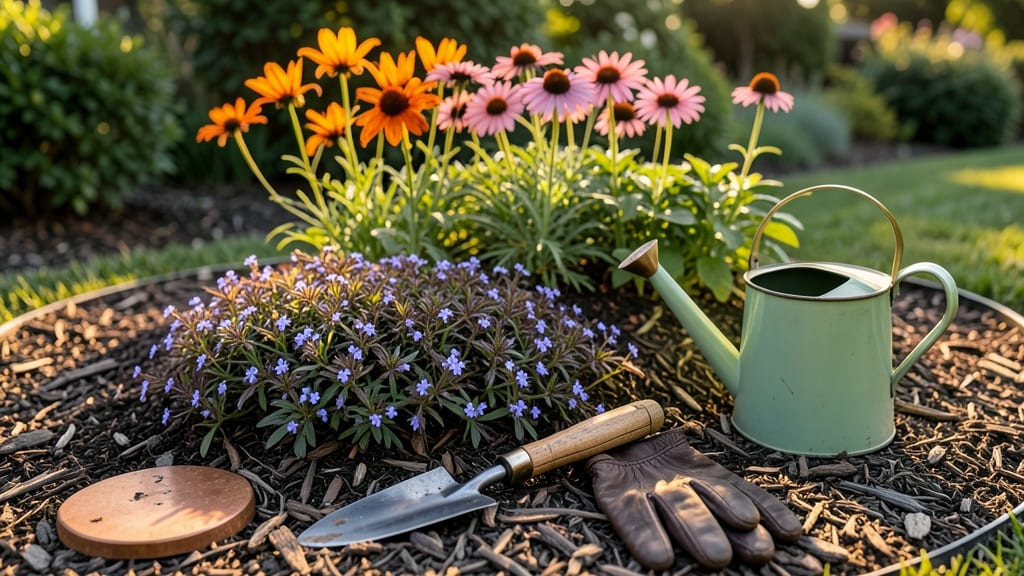
Creating mound garden bed ideas can transform your yard into a thriving, space-efficient haven—whether you're working with slopes, poor soil, or limited square footage. If you've ever stared at a small backyard and…
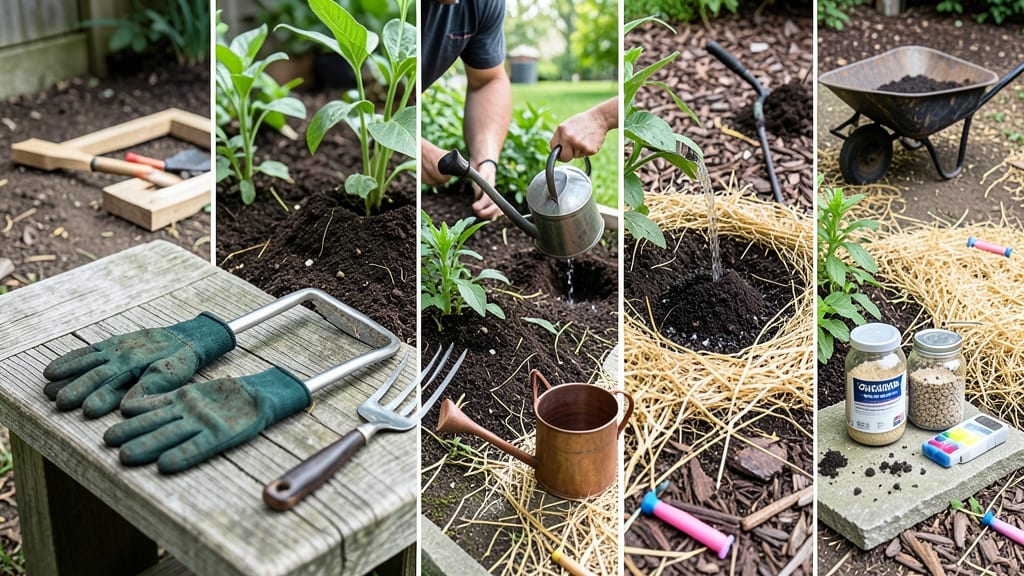
Gardening steps turn empty soil into a lush, productive space—whether you're planting herbs in pots or a full vegetable bed. Dreaming of a lush garden but unsure where to start? You’re not alone. Even the greenest thumbs…
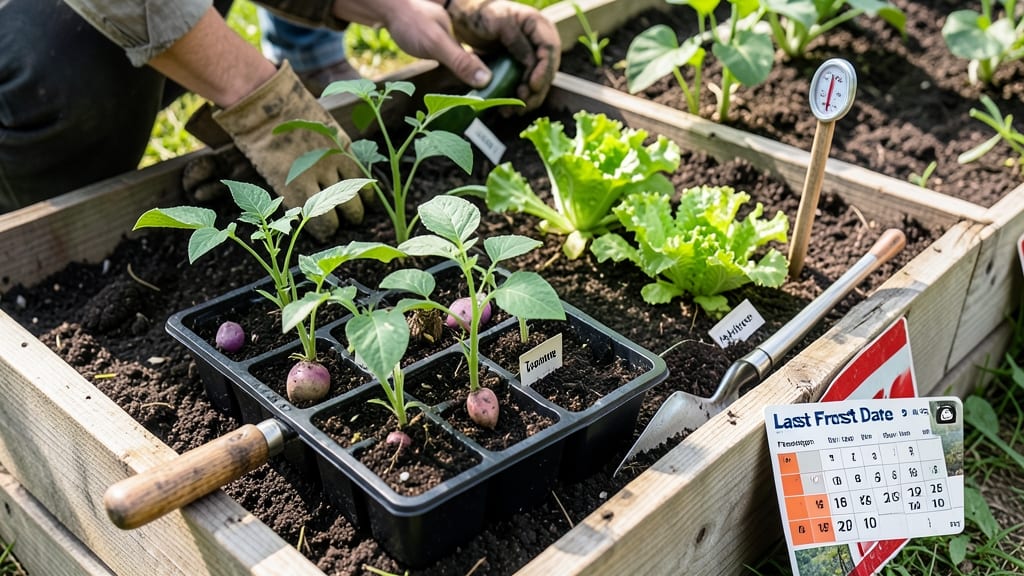
Planting a garden in New Brunswick means timing your 🌱 crops right—late April to mid-June for most warm-season plants, after the last frost. New Brunswick’s unpredictable climate can make timing your garden planting…
Planting a garden in North Dakota means timing your 🌱 General Garden just right—usually between late April and early June—to beat the last frost and maximize your harvest before fall sets in. North Dakota’s short…
To plant a garden in East Tennessee, timing is everything—your Zone 6a-7a climate demands precision to avoid frost damage or missed harvests. Picture this: you’ve prepped the soil, ordered seeds, and cleared your…
Planting a garden in Maine means timing it right to beat the frost and maximize your harvest—waiting until mid-April to early June after the last frost is the key to success. Maine’s unpredictable climate can turn…
To plant your garden in Ohio, aim for late April after the last average frost date of April 15 🌱 — but the real secret is matching crops to the 60°F soil window that follows. Ohio’s unpredictable spring weather can turn…
To determine how much water does a garden need , aim for 1 to 1.5 inches of water per week — but that’s just the starting point, not the rule. Overwatering or underwatering your garden can ruin months of hard work—yet…