
Planting
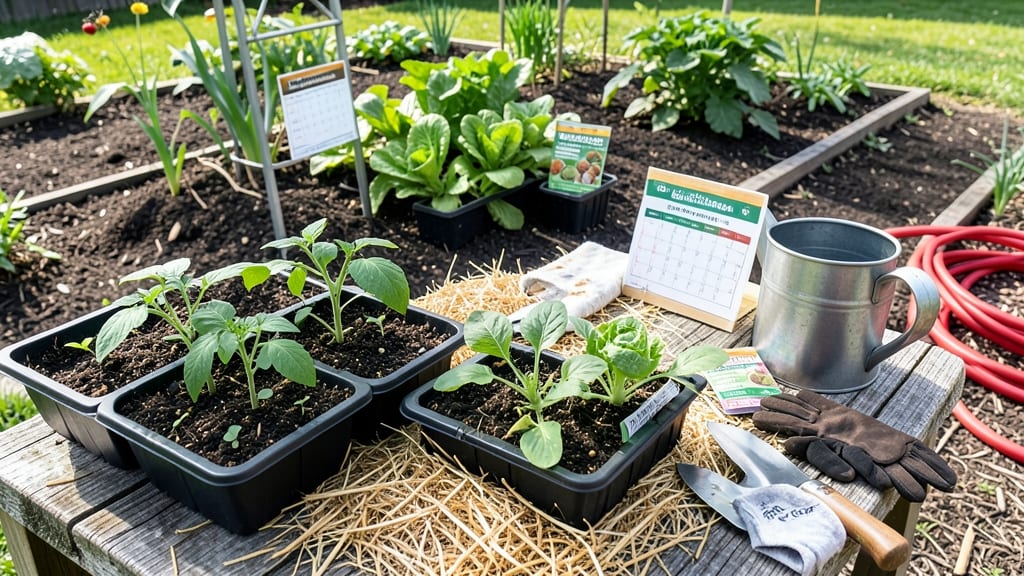
Planting a garden in Maine means timing it right to beat the frost and maximize your harvest—waiting until mid-April to early June after the last frost is the key to success.
Maine’s unpredictable climate can turn gardening into a guessing game—plant too early and risk frost damage, too late and miss peak harvests. But with the right timing, you can grow a thriving garden year after year.
In zones 5b-6a, most General Garden Plants 🌱 thrive when soil temperatures hit 50°F, usually around mid-May, but coastal areas warm faster than inland spots. Knowing these details means fewer surprises and more rewards.
Below, I break down the best planting windows for vegetables, flowers, and perennials, plus how to stretch your growing season with simple tricks that actually work in Maine’s short summers.
Maine’s frost-free dates by planting Zone: when to start seeds & transplant
Maine’s USDA Zones 5b-6a create a unique gardening challenge, where last frost dates can vary by weeks between coastal areas and inland regions. Understanding these zones helps you time seed starting and transplanting for maximum success.
For example, Zone 5b (northern Maine) averages May 15–20 for frost-free conditions, while Zone 6a (southern Maine) typically hits this milestone by May 1–10.
Coastal areas like Portland or Bar Harbor often experience milder winters and later frosts, giving gardeners an extra 2–3 weeks to plant warm-season crops. Meanwhile, inland zones like Bangor or Presque Isle face earlier frosts, requiring earlier starts for cool-season vegetables like kale or peas.
Always check your local Maine State Climate Office for year-specific updates, as frost dates can shift by 1–2 weeks annually.
Warm-season crops such as tomatoes, peppers, and cucumbers need soil temperatures above 50°F and no frost risk before transplanting. In Zone 5b, this usually means waiting until late May or early June, while Zone 6a gardeners can transplant as early as mid-May. For cool-season crops like spinach, lettuce, and carrots, you can start seeds 4–6 weeks before your last frost date—often by mid-April in southern Maine.
| USDA Zone | Avg. Last Frost | Transplant Warm Crops | Start Cool Crops Indoors | Coastal Adjustment |
|---|---|---|---|---|
| Zone 5b (Northern) | May 15–20 | Late May–Early June | Mid-April | +1–2 weeks |
| Zone 6a (Southern) | May 1–10 | Mid-May | Late March | +2–3 weeks |
| Coastal (Portland) | May 10–15 | Early May | Early April | +2–3 weeks |
| Inland (Bangor) | May 20–25 | Late May | Mid-April | 0–1 week |
For warm-season vegetables, like tomatoes and peppers, I recommend starting seeds 6–8 weeks before your last frost date. This means Zone 5b gardeners should begin indoors by early April, while Zone 6a can start as early as late March.
Use grow lights to ensure strong seedlings, as Maine’s short days in spring can stunt growth. Transplant these heat-lovers only after soil temperatures reach 60°F—a critical threshold for root development.
If you’re growing cold-hardy crops like kale, spinach, or peas, you can often plant them directly into the garden as early as March in southern Maine or late April in northern zones. These plants thrive in cooler temperatures and can even overwinter with a thick layer of mulch.
For broccoli and cabbage, which prefer cool soil but dislike frost, aim to transplant them 3–4 weeks before your last frost date—typically mid-April to early May.
One of my favorite tricks for Maine gardeners is using row covers or cold frames to extend the planting window. These tools allow me to transplant tomatoes or peppers 2–3 weeks earlier than the average last frost date, giving my plants a head start.
Just be sure to remove covers during the day to prevent overheating. For coastal gardeners, this extension is even more valuable, as milder microclimates can support late-season harvests well into October.
Always monitor local weather forecasts in the weeks leading up to your transplant date. A late frost can devastate tender seedlings, so I never rush planting—even if the calendar suggests it’s safe.
For example, June 1st is a common benchmark for last frost in many Maine regions, but I wait until <
Best planting schedule for Maine gardens: month-by-month calendar by plant type
Maine’s short growing season demands precision timing to maximize harvests. Cool-season crops like spinach and kale thrive in early spring, while tomatoes and peppers need warm soil—typically after May 15. Adjust for your USDA Zone (5b-6a) and microclimate (coastal areas warm faster).
Start indoor seedlings in March for broccoli, cabbage, and herbs, then transplant outdoors after the last frost. For warm-season crops, wait until soil reaches 60°F+—usually late May to early June. Use row covers to extend early planting windows by 2-3 weeks.
🌱 Summary Table: Maine Planting Schedule by Month
| Month | Plant Type | Action | Notes |
|---|---|---|---|
| March | Cool Crops | Start indoors: spinach, lettuce, onions | Use grow lights; harden off before transplanting |
| April | Cold-Hardy Veggies | Direct sow: peas, radishes, kale | Cover seedlings if frost threatens |
| May | Warm Crops | Transplant: tomatoes, peppers, cucumbers | Wait until soil is 60°F+; use black plastic mulch |
| June | Flowers & Herbs | Sow: marigolds, basil, nasturtiums | Full sun required; water deeply |
| July-August | Succession Planting | Sow: bush beans, carrots, beets | Extend harvests until September |
| September | Fall Crops | Direct sow: spinach, garlic, cover crops | Choose fast-maturing varieties |
For extended harvests, try successional planting—sow lettuce every 2 weeks from May to August. Perennials like asparagus and rhubarb can be planted in early spring or fall, but avoid transplanting when soil is frozen.
Always check soil temperature with a thermometer—50°F is the minimum for most crops.
Maine’s coastal regions (e.g., Portland) warm 1-2 weeks earlier than inland areas like Augusta. Use this to your advantage by planting heat-lovers like eggplants in early June. For late-season protection, use floating row covers until October 1st to shield broccoli and cabbage from early frosts.
Pro tip: Keep a planting journal to track your local frost dates and adjust future schedules. Even a 1-week shift can mean the difference between bountiful harvests and wasted seeds.