
Planting
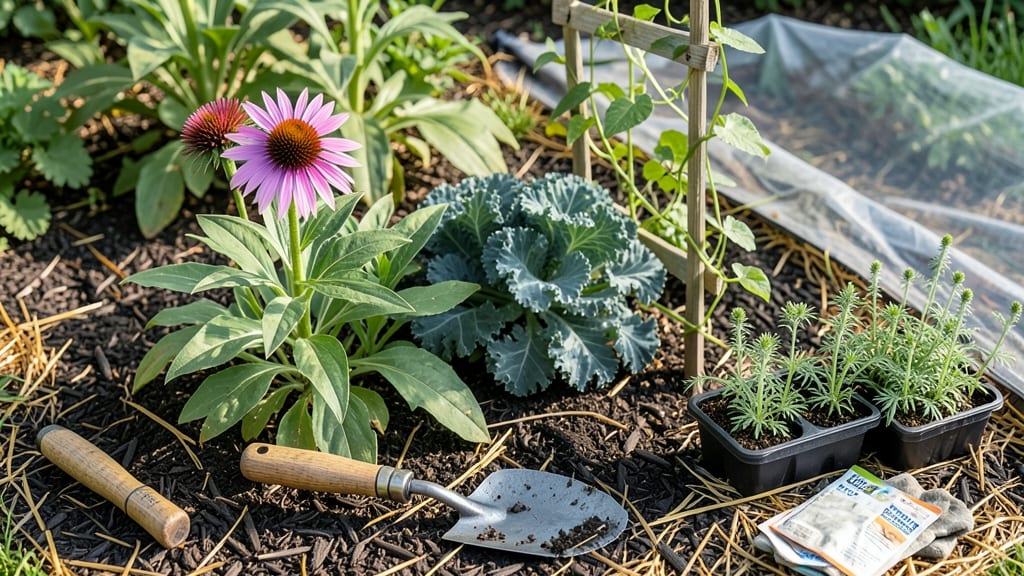
Planting a garden in North Dakota means timing your 🌱 General Garden just right—usually between late April and early June—to beat the last frost and maximize your harvest before fall sets in.
North Dakota’s short growing season means timing your garden planting perfectly can mean the difference between a bountiful harvest and a disappointing failure—here’s exactly when to plant for maximum success in Zones 3-4.
Cool-season crops like peas and lettuce can go in as early as March, while tomatoes and peppers need to wait until after May’s last frost. The key is watching soil temperatures and adjusting for your microclimate—whether you’re in Fargo or the western plains.
Below, I break down the best planting windows for every crop, plus tips to stretch your season with row covers and cold frames so you can grow more, even in Zone 3b-5a.
North Dakota planting calendar: exact dates for cool-season vs warm-season crops
North Dakota’s short growing season (only 90-120 frost-free days) demands precision when planting. The last spring frost typically arrives between May 10-20, while the first fall frost hits around September 10-20.
Microclimates near rivers or urban areas may extend these windows by 1-2 weeks, but rural areas are colder. Understanding these dates ensures your cool-season crops thrive early and your warm-season plants mature before frost.
For cool-season crops like peas, spinach, and kale, I start seeds indoors in March or sow directly in late April under row covers. These plants tolerate light frosts and even 30°F soil temperatures.
Meanwhile, warm-season crops such as tomatoes, peppers, and cucumbers need to wait until after May 20 when soil warms to 55°F+. Transplanting too early risks stunted growth or death.
Soil temperature is just as critical as air temperature. Use a soil thermometer to confirm readiness—40°F+ for peas, 50°F+ for beans, and 60°F+ for corn. In Zone 3-4, this often means waiting until late May for heat-loving crops. My rule of thumb? Wait until lilacs bloom and forsythia leaves fall before planting tomatoes.
Here’s my month-by-month breakdown for North Dakota, accounting for frost dates, soil temps, and microclimates:
| Month | Cool-Season Crops (Direct Sow) | Warm-Season Crops (Start Indoors/Transplant) | Soil Temp Requirement | Notes |
|---|---|---|---|---|
| March | Peas, spinach, lettuce (under cover) | Tomatoes, peppers, eggplants (start indoors) | 35–45°F | Use grow lights; harden off seedlings by April. |
| April | Kale, radishes, carrots, onions (late April) | Transplant basil, cucumbers (after May 1) | 40–50°F | Cover seeds with 2–3 inches of straw mulch for warmth. |
| May | Broccoli, cabbage, Brussels sprouts (early May) | Transplant tomatoes, peppers, beans (after May 20) | 50–60°F | Wait for 3 consecutive days above 55°F before planting warm crops. |
| June | Succession plant lettuce, radishes (shade cloth) | Direct sow corn, squash, melons (after June 1) | 60–70°F | Use black plastic mulch to warm soil for corn. |
| July–August | N/A (focus on warm crops) | Succession plant beans, cucumbers | 65–75°F | Monitor for late blight in tomatoes; use fungicides if needed. |
| September | Spinach, arugula, peas (late August–early Sept) | N/A (protect remaining warm crops) | 45–55°F | Use row covers to extend harvest until frost. |
For herbs, I plant parsley and cilantro in early spring and again in late summer for a fall harvest. Basil and dill need to
How to adjust planting times for North Dakota’s unpredictable weather patterns
North Dakota’s unpredictable frost dates and short growing season (just 120-150 frost-free days) demand flexibility from gardeners. Even with careful planning, late frosts in May or early frosts in September can derail your harvest.
The key is adapting your planting schedule using frost protection methods and season-extending tools to safely push boundaries.
I’ve learned that row covers and cold frames can add 2-4 weeks to either end of your season, while soil warming techniques like black plastic mulch help jumpstart spring planting.
For example, I planted spinach under row covers in early April—weeks before the traditional last-frost date—and still harvested before summer heat set in.
Here’s how to adjust your planting timeline for North Dakota’s climate, with proven strategies to maximize your garden’s potential:
- 1
- 2
- 3
- 4
- 5
Don’t assume traditional planting charts apply—North Dakota’s last frost date can vary by 2-3 weeks from year to year. I track local Almanac frost predictions but always have row covers ready for backup.
For example, in 2022, my broccoli survived a May 10 frost because I covered it with floating row covers.
For warm-season crops, wait until soil temps hit 55°F+ (use a soil thermometer to check). I’ve had tomato seedlings rot when planted too early in cold, wet soil. If you’re eager to start, try container gardening on a porch or patio—pots warm up faster than ground soil.
Remember, patience pays off. Rushing planting times often leads to stunted growth or failed harvests. But with these adjustments, you can extend your season by 4-6 weeks on either end—turning North Dakota’s challenges into opportunities for a longer, more productive garden. 🌱