
Blooming
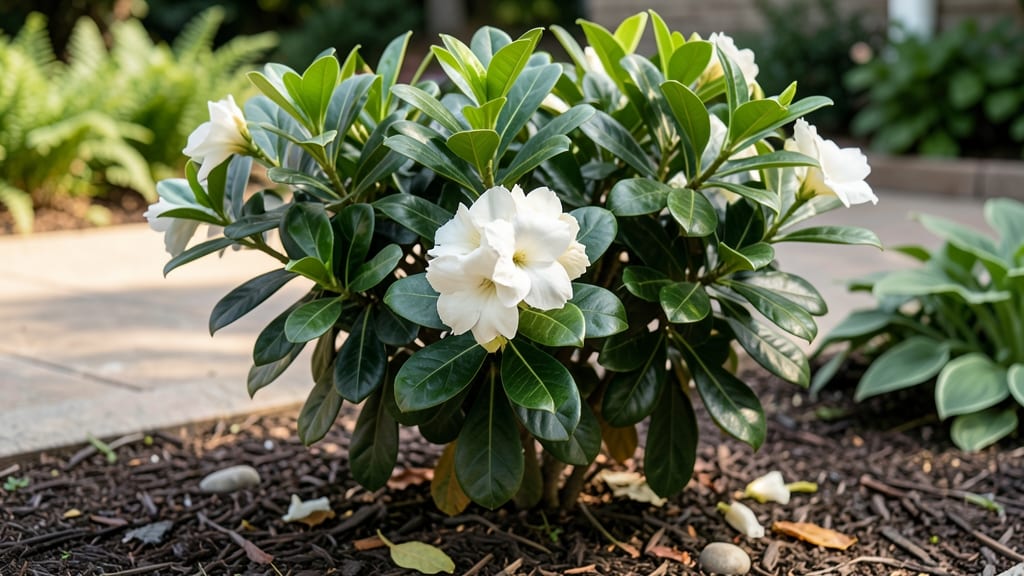
Gardenia bushes bloom in late spring to summer 🌸, with timing that shifts based on your variety and climate zone—miss the window, and you might wait another year for those fragrant blooms.
Picture this: you’ve nurtured your gardenia for months, only to wake up one morning and realize the buds haven’t opened yet. The frustration is real, but the good news? With the right knowledge, you can predict—and even adjust—when your gardenia will burst into creamy-white perfection.
In warmer zones like 9b, blooms often kick off as early as April, while cooler regions might see them arrive in June or July. Varieties like Gardenia jasminoides tend to be early bloomers, while others may play it cool until summer’s peak.
The key? Understanding how sunlight, soil, and even pruning tricks can nudge those blooms along.
Below, I’ll break down the exact months for common gardenia types, how to spot the first signs of buds, and the simple tweaks that can make your gardenia bloom earlier—or keep it flowering for weeks longer.
Gardenia blooming seasons by variety: exact months for common types
If you've ever wondered when do gardenia bushes bloom, the answer depends entirely on the variety you're growing. Gardenias like Gardenia jasminoides (the most common type) and Gardenia augusta have distinct bloom windows that align with your local climate.
In warmer zones like USDA 9-11, blooms often appear as early as late winter, while cooler zones (USDA 7-8) may see flowers in late spring or early summer.
The key to timing is understanding your gardenia's natural rhythm—most varieties bloom on new wood (current season's growth), which means pruning and feeding strategies play a huge role. For example, Gardenia radicans, a climbing variety, might bloom slightly later than bush types because its growth pattern differs.
Let's break down the exact months for popular varieties so you can plan your garden accordingly.
| Variety | Primary Bloom Window (USDA 9-11) | Primary Bloom Window (USDA 7-8) | Notes |
|---|---|---|---|
| Gardenia jasminoides | Late February - June | May - August | Most fragrant; blooms on new growth |
| Gardenia augusta | March - July | June - September | Larger flowers; needs consistent moisture |
| Gardenia radicans | April - August | June - October | Climbing variety; blooms later in cooler zones |
| Fortuniana (Hybrid) | February - May | April - July | Early bloomer; cold-hardy to USDA 8 |
| Radicans 'Kleinhovia' | May - September | July - October | Drought-tolerant; extended bloom season |
For gardeners in USDA zones 9-11, the Gardenia jasminoides variety typically kicks off blooming as early as late February, with peak fragrance in March and April. This early start gives you months of blooms through June, making it ideal for winter gardeners craving color.
In contrast, Gardenia augusta often waits until March but rewards you with larger, showier flowers that last until July.
The Gardenia radicans variety is a late bloomer, especially in cooler climates. In USDA zone 7, you might not see flowers until June, but the climbing habit makes it perfect for trellises or fences.
If you're in zone 11, however, you could enjoy blooms as early as April and as late as September with proper care. This variety thrives in humid conditions, so morning watering is key to prevent bud drop.
One of my favorite varieties for extended bloom seasons is the Fortuniana hybrid. Unlike other gardenias, it blooms as early as February in warm zones and can continue through May. Its cold tolerance (down to USDA zone 8) makes it a standout for gardeners in transitional climates.
To encourage early blooms, I always prune lightly in late winter and apply a high-phosphorus fertilizer in January.
If you're in USDA zone 7 or cooler, timing becomes even more critical. Gardenias here often enter dormancy in fall, so blooms won't appear until late spring.
For example, Gardenia jasminoides in zone 7 typically blooms from May to August, while Gardenia augusta might wait until June. To push blooms earlier, I recommend mulching heavily in fall and using frost blankets during unexpected cold snaps.
This protects the roots and encourages stronger growth the following spring.
Regional microclimates can also shift bloom times by 2-4 weeks. For instance, gardenias in Southern California (zone 10) may bloom as early as January, while those in Florida (zone 11) might start in February.
In cooler coastal areas like Oregon (zone 8), blooms often align more closely with zone 7 timelines. To account for these variations, I always monitor local frost dates and adjust my planting schedule accordingly.
For container gardeners, bloom timing can vary even more because pots dry out faster and roots can overheat. In containers, gardenias often bloom 2-3 weeks later than their in-ground counterparts. To compensate, I use self-watering pots and move containers to shadier spots in summer to reduce stress.
Additionally, dwarf varieties like 'Kleinhovia' tend to bloom slightly later than standard types, so plan accordingly if you're growing them in pots.
One common mistake I see is assuming all gardenias bloom at the same time. In reality, late-season bloomers like Gardenia radicans can continue producing flowers well into September in warm zones, while early varieties may finish by June.
To extend your gardenia's bloom season, I recommend deadheading spent flowers and fertilizing lightly every 6 weeks during the growing season. This encourages continuous bud formation
How climate zones and sunlight affect Gardenia bloom timing
Your gardenia’s bloom schedule isn’t set in stone—it’s a delicate dance between your USDA hardiness zone and the sunlight your plant receives.
For example, gardenias in Zone 9b (like Southern California) often burst into bloom as early as April, while those in Zone 7 (Mid-Atlantic) might not see flowers until June or July. This shift happens because colder climates delay the plant’s metabolic shift into flowering mode until temperatures stabilize.
Sunlight plays an equally critical role. Gardenias thrive in partial shade—typically 3-6 hours of morning sun followed by afternoon shade. Too much direct sun (especially in hot zones) can stress the plant, causing buds to drop before opening.
Meanwhile, too little light in shady spots may stretch out the blooming window, making flowers appear later or less abundantly. The balance is key to unlocking that signature creamy-white fragrance you love.
In warmer zones (10-11), gardenias often bloom in late winter or early spring (February-April) because they’re not held back by chilly temperatures. This early start gives them a head start on the growing season.
Meanwhile, in cooler zones (5-8), gardenias wait until late spring or early summer (May-July) to bloom, as they need consistent warmth to trigger flowering. If you’re in Zone 7 and your gardenia blooms in August, it’s likely compensating for a slow start.
Sunlight exposure also dictates bloom intensity. Gardenias in full morning sun (like east-facing gardens) tend to produce more buds earlier in the season, while those in deep shade may bloom later but with fewer flowers.
For example, my gardenia in a west-facing spot with afternoon shade blooms in June, but it requires extra acidic fertilizer to compensate for the reduced light. The trade-off? Longer-lasting blooms in cooler weather.
Seasonal transitions matter too. Gardenias need a period of cooler temperatures at night (50-60°F) to set buds properly. In Zone 9b, this happens naturally in spring, but in Zone 5, you might need to mimic it by moving potted gardenias to a sheltered spot during heatwaves.
Without this chill period, buds may form but fail to open, leaving you with a plant full of green, unopened flowers.
Adjust your care based on your zone: in hot climates, prioritize afternoon shade and deep watering to prevent stress; in cooler climates, add a layer of mulch to insulate roots and encourage earlier blooming.
With these tweaks, you can shift your gardenia’s bloom window by up to 2-4 weeks, ensuring those fragrant blooms arrive right when you want them.