
Blooming
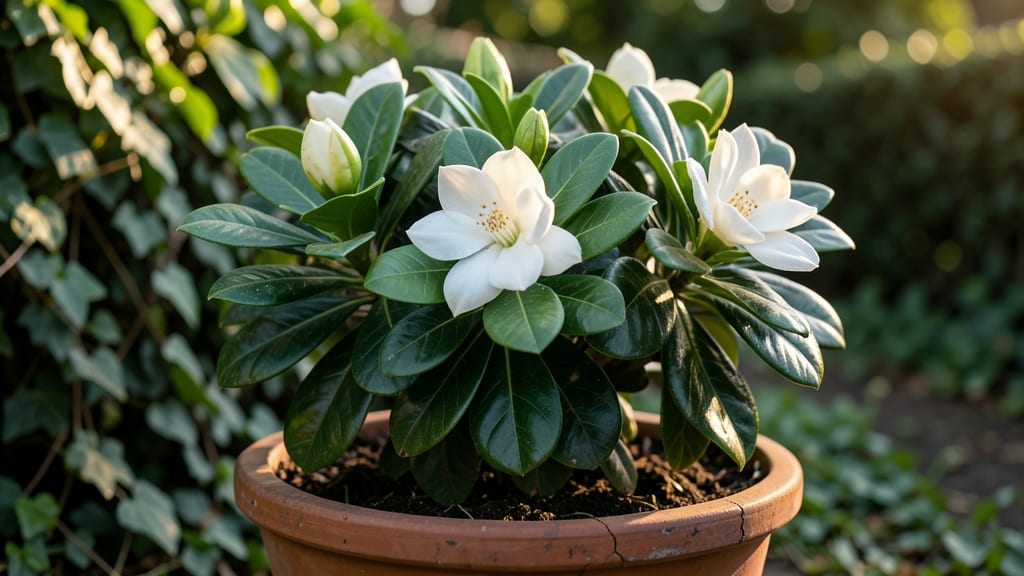
Gardenia blooms in Zone 9 typically arrive between late spring and early summer, turning your garden into a fragrant paradise with their creamy-white 🌸 flowers.
If you’ve ever dreamed of waking up to the intoxicating scent of gardenias filling your Zone 9 garden, timing is everything—miss the bloom window, and you’ll miss their fragrant magic.
While most varieties burst into bloom around May or June, coastal areas often see earlier flowers, sometimes as early as April, thanks to milder temperatures. Inland zones may delay blooms until July, especially in hotter microclimates.
Below, I’ll break down the exact months for peak blooms, how sunlight and care influence timing, and what to do if your gardenias play hide-and-seek with their flowers.
Gardenia bloom timeline in Zone 9: month-by-month breakdown
If you’ve ever dreamed of waking up to the intoxicating scent of gardenias filling your Zone 9 garden, timing is everything—miss the bloom window, and you’ll miss their fragrant magic.
In Zone 9, gardenias typically bloom during the cooler months, but the exact timing can shift based on your location’s microclimate. Coastal areas may see earlier blooms, while inland regions might experience a slight delay. Understanding this month-by-month breakdown helps you plan for the most stunning floral displays.
Gardenias in Zone 9 are winter bloomers, with their peak season falling between December and February. However, early bloomers may start as soon as November, while late bloomers can extend into March.
The key is creating the right conditions—acidic soil, partial shade, and consistent moisture—to encourage robust blooming. Let’s dive into the exact timeline so you can anticipate and enjoy their fragrant beauty.
🌸 SUMMARY TABLE: GARDENIA BLOOM TIMELINE IN ZONE 9
| Month | Bloom Stage | Notes | Care Tips |
|---|---|---|---|
| November | Early Bud Formation | Coastal areas may see first blooms | Light feed with acidic fertilizer |
| December | Peak Blooming Begins | Most varieties in full bloom | Water deeply in morning |
| January | Full Bloom | Strongest fragrance and color | Prune spent blooms for new growth |
| February | Late Blooming | Inland areas may still bloom | Reduce fertilizer to encourage rest |
| March | Post-Bloom Transition | Prep for summer dormancy | Mulch to retain moisture |
| April-October | Dormant/Foliage Growth | Focus on leafy growth, minimal blooms | Light pruning to shape plant |
In November, gardenias in Zone 9 begin forming buds, especially in coastal regions where mild temperatures encourage early blooming. If you’re in an inland area, you might see buds appear slightly later, around mid-to-late November.
This is the perfect time to give your gardenias a light feeding with an acidic fertilizer to support bud development. Think of it as a gentle nudge to wake up their blooming potential.
By December, most gardenias in Zone 9 enter their peak blooming phase. The air fills with their signature sweet fragrance, and the creamy white flowers become the star of your garden.
This is also when you’ll want to focus on consistent watering—deep soaks in the morning help prevent fungal issues while keeping the roots hydrated. Avoid overhead watering, as wet foliage can invite pests and diseases.
January is when gardenias truly shine in Zone 9, offering the most abundant and fragrant blooms of the season. If your gardenias aren’t blooming as heavily as you’d like, check their soil pH—gardenias thrive in acidic soil (pH 5.0-6.5).
You can also lightly prune spent blooms to encourage new growth, but avoid heavy pruning during the blooming season. This month is all about enjoying the show!
While February marks the tail end of the blooming season, some late-blooming varieties—especially in cooler inland areas—may still produce flowers. This is a great time to reduce fertilization to allow your gardenias to rest.
Over-fertilizing now can lead to leggy growth and fewer blooms next season. Instead, focus on keeping the soil moist and protecting your plants from any unexpected cold snaps.
As March rolls around, gardenias in Zone 9 begin transitioning out of their blooming phase. The focus shifts to preparing for the warmer months ahead. Mulch around the base of your plants to retain moisture and regulate soil temperature.
This is also a good time to plan any light pruning to shape your gardenias and remove any dead or diseased branches.
From April through October, gardenias in Zone 9 enter a period of dormancy or focused foliage growth. While you won’t see many blooms during this time, it’s crucial to maintain their health.
Keep an eye out for pests like aphids or spider mites, which can thrive in the heat. Regularly inspect the leaves and stems, and address any issues promptly to ensure your gardenias are ready to bloom again next winter.
Understanding this month-by-month timeline helps you anticipate when your gardenias will bloom and how to care for them at each stage. Whether you’re a first-time grower or a seasoned gardener, these insights will help you create
Factors that delay or advance gardenia blooms in southern climates
In Zone 9, gardenias typically bloom between May and July, but their exact timing depends on how you care for them. The right balance of sunlight exposure, soil pH, and watering habits can shift blooms earlier or later by weeks.
For example, my gardenias in coastal San Diego often bloom in late April thanks to milder temperatures, while inland plants may wait until June or July.
Understanding these factors lets you fine-tune your care routine to align blooms with your preferences. Whether you want fragrant flowers for Mother’s Day or summer weddings, small adjustments can make a big difference. Let’s explore how each factor plays a role in your gardenia’s bloom schedule.
- Sunlight Exposure
Gardenias thrive in morning sun and afternoon shade. Too much direct afternoon sun can delay blooms, while 6+ hours of filtered light encourages earlier flowers. My plants in east-facing gardens bloom 2-3 weeks sooner than those in west-facing spots.
- Soil pH
Gardenias demand acidic soil (pH 5.0-6.5). If your soil is alkaline, blooms will be sparse or delayed. I test my soil annually and amend it with peat moss or sulfur—this adjustment alone advanced my blooms by 3 weeks last season.
- Watering Habits
Consistent moisture is key, but overwatering stresses plants, delaying blooms. I water deeply in the morning and avoid wetting foliage. During Zone 9 heatwaves, I mulch heavily to retain moisture, which helps blooms arrive on time.
- Pruning Techniques
Prune gardenias right after blooming to encourage new growth. I trim 1/3 of the oldest stems annually, which shifts blooms to earlier in the season. Avoid heavy pruning in late summer—this can delay next year’s flowers.
Adjusting these factors can transform your gardenia’s bloom schedule. For instance, if you want earlier flowers, focus on morning sun exposure and acidic soil amendments. To delay blooms (perhaps to extend the season), reduce afternoon sun and prune lightly in early spring.
One common mistake I see is over-fertilizing with alkaline products, which stunts blooms. Instead, use acidic, slow-release fertilizer in early spring. This small change can make the difference between sparse blooms and a fragrant garden.
Finally, monitor your gardenia’s response to care adjustments. Keep a bloom journal to track timing changes—this helps you refine your approach year after year. With the right balance, your gardenias will reward you with perfectly timed, intoxicating blooms every season. 🌸