
Tools
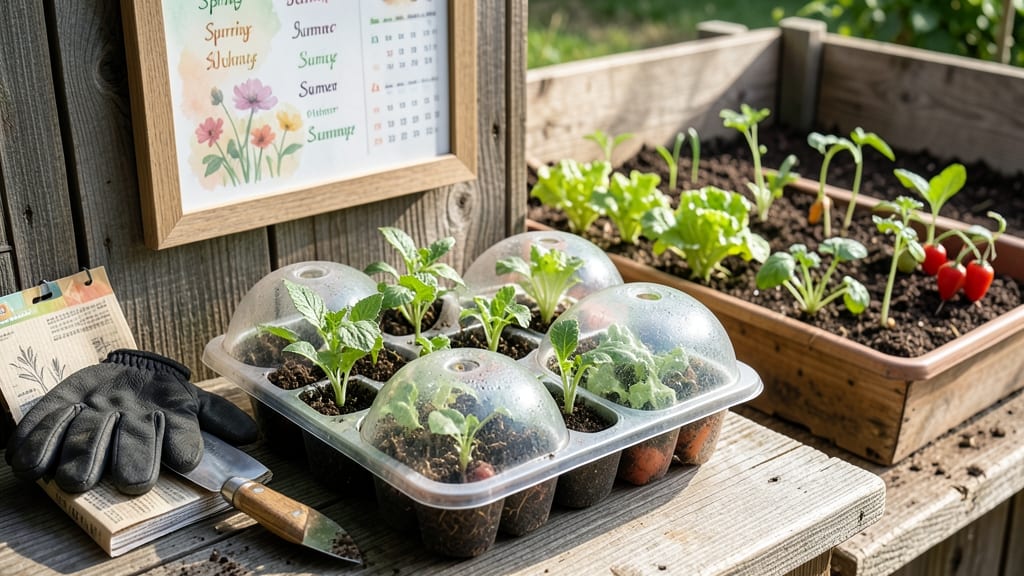
Starting a vegetable garden at the right time means the difference between a thriving harvest and wasted seeds 🥬—and most gardeners get this critical step wrong.
Timing your vegetable garden start can mean the difference between a bountiful harvest and wasted effort—yet most gardeners plant at the wrong time, risking poor growth or pest damage.
In Zone 6, the ideal window runs from early spring through late summer, but even here, cool-season crops like spinach or peas need to go in by mid-April, while tomatoes and peppers wait until after the last frost in mid-May.
Miss these marks, and you’ll either watch seedlings freeze or bolt before producing.
Below, I break down the exact planting schedule by crop type, how to adjust for your local microclimate, and the three biggest mistakes that kill gardens before they even begin.
Optimal planting windows by US hardiness zone and vegetable type
Getting your vegetable garden's planting schedule right means the difference between thriving plants and wasted effort. The USDA hardiness zone you live in dictates when to plant cool-season crops like spinach and warm-season crops like tomatoes.
Each zone has specific frost dates that determine your planting windows—whether you're starting seeds indoors or sowing directly outdoors.
For example, gardeners in Zone 5 face earlier frosts than those in Zone 9, meaning you'll need to adjust your timeline accordingly. Cool-season vegetables like broccoli and kale can handle light frosts, while warm-season plants like peppers and eggplants need consistent warmth to thrive.
Understanding these differences helps you avoid common mistakes like planting frost-sensitive crops too early or missing the window for direct sowing.
| Zone | Plant Type | Start Indoors (Weeks Before Last Frost) | Direct Sow (After Last Frost) | Harvest Window | Key Risks |
|---|---|---|---|---|---|
| Zones 3-4 | Cool-Season (Spinach, Kale, Lettuce) | 6-8 weeks | Early May | June-September | Bolting in heat |
| Zones 3-4 | Warm-Season (Tomatoes, Peppers, Cucumbers) | 8-10 weeks | Mid-June | August-October | Frost damage |
| Zones 5-6 | Cool-Season (Broccoli, Cabbage, Peas) | 4-6 weeks | Late April | June-September | Pest pressure |
| Zones 5-6 | Warm-Season (Beans, Corn, Squash) | 3-4 weeks | Early May | July-October | Blossom end rot |
| Zones 7-8 | Cool-Season (Radishes, Arugula, Swiss Chard) | 2-3 weeks | Early March & September | April-May, October-November | Overcrowding |
| Zones 7-8 | Warm-Season (Okra, Sweet Potatoes, Peppers) | 6-8 weeks | Mid-April | June-December | Heat stress |
| Zones 9-11 | Cool-Season (Lettuce, Spinach, Carrots) | Not needed | September-October | October-December |
How to adjust planting times for your local microclimateYour local microclimate—whether it's a coastal breeze, urban heat island, or high-altitude chill—can shift planting times by weeks compared to general zone guidelines. For example, coastal areas often have milder winters, while high-altitude gardens may need an earlier start. Even a paved city street can create a microclimate 10°F warmer than nearby green spaces. To fine-tune your schedule, start by checking soil temperatures with a thermometer—most vegetables need soil between 60°F and 70°F to germinate. Use row covers to extend early spring or late fall seasons by 2-4 weeks, or choose heat-tolerant varieties like 'Heatmaster' tomatoes if your summers run hot. For containers, warm up soil faster with black plastic mulch or move pots to sunnier spots. 5 Microclimate Adjustments for Perfect Planting Times
For high-altitude gardens (above 5,000 ft), start seeds indoors 6-8 weeks before your zone’s last frost date—cool nights slow growth. Coastal gardeners can direct-sow warm-season crops like beans 2-3 weeks earlier than inland areas, thanks to moderating ocean breezes. Always monitor soil moisture in containers, as they dry out faster in windy or sunny microclimates. Pro tip: Use a garden journal to track your microclimate’s quirks. Note when volunteer plants sprout naturally or when neighbors’ gardens thrive despite "wrong" planting times. Over time, you’ll spot patterns—like how your north-facing bed stays frost-free 10 days longer than the south side. Remember, containers warm up faster than ground soil, so they’re ideal for early starts in cold climates. Fill pots with heat-retaining materials like coconut coir or add a bottom heating mat for stubborn seeds like parsley. With these tweaks, you’ll turn your microclimate’s challenges into harvest advantages. |