
Fertilization
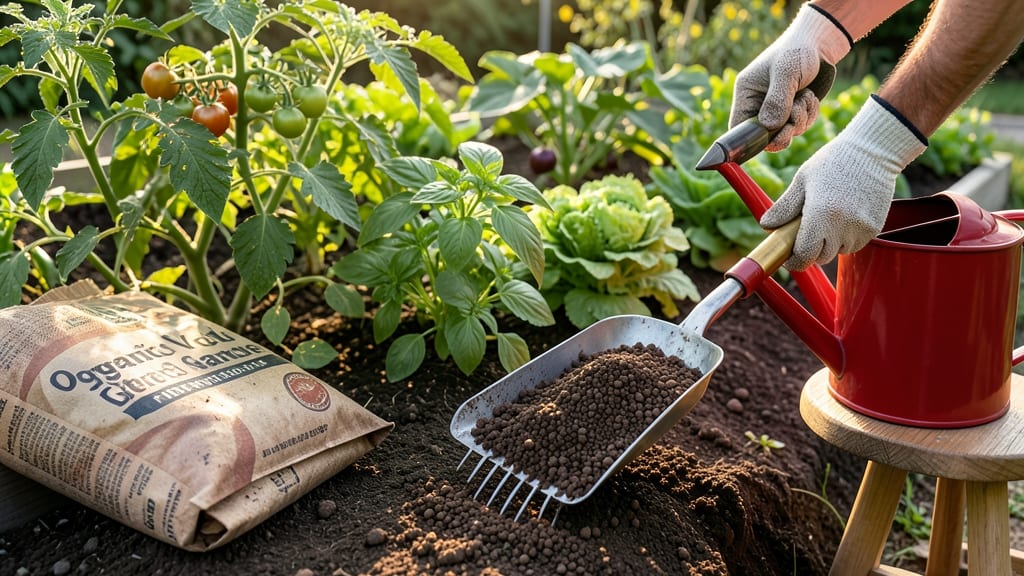
You should fertilize your garden when soil tests reveal a nutrient deficit and plants show signs of sluggish growth or pale leaves—timing matters just as much as the type of fertilizer you choose.
Timing your garden fertilization isn't just about adding nutrients—it’s about giving your plants the right fuel at the right moment to maximize growth, prevent waste, and avoid burning delicate roots.
One wrong move, like feeding too early in spring, can send your garden into overdrive just as frost threatens, or worse, leave your soil salt-burned and unusable.
Think of fertilization like a meal plan for your plants: too much too soon is like shoveling a Thanksgiving feast into a toddler’s mouth, while skipping key feedings means they’ll never reach their full potential.
In USDA Zone 6a, the best windows are early spring (just before planting) and late summer (to boost fall harvests), but the exact schedule depends on what you’re growing.
Below, I’ll break down the soil-test-based timeline for vegetables, flowers, and lawns—plus the three critical mistakes even experienced gardeners make with timing. Whether you’re a beginner or a seasoned green thumb, these insights will help you feed your garden the smart way.
Soil-test-based fertilization schedule for different plant types
Interpreting your soil test results is the first step to creating a fertilization plan that actually works for your garden. Those numbers—nitrogen (N), phosphorus (P), potassium (K), and pH levels—tell you exactly what your plants are hungry for and when to feed them.
For example, a low nitrogen reading means leafy greens like lettuce will struggle, while high phosphorus is ideal for flowering plants like roses or tomatoes. Without this data, you’re basically guessing—and that’s how you end up with over-fertilized (and burned) plants.
Every plant type has unique needs, so a one-size-fits-all approach fails. Vegetables like tomatoes crave nitrogen early in the season but need phosphorus later for fruiting. Perennials, such as daylilies or hostas, benefit from a spring feeding to kickstart growth, while lawns often need a slow-release fertilizer every 6-8 weeks.
Even annuals, like marigolds, respond best to light, frequent feedings rather than heavy doses all at once. The key is aligning your soil test results with these plant-specific timelines.
Seasonal timing is just as critical as nutrient balance. Fertilizing at the wrong time can stunt growth or even kill plants. For instance, applying high-nitrogen fertilizer in late summer encourages tender new growth that won’t survive frost. Meanwhile, a fall feeding with phosphorus helps roots harden off for winter. Your soil test pH also dictates the type of fertilizer you should use—acid-loving plants like blueberries need sulfur-based amendments, while alkaline soils benefit from lime.
Visual nutrient thresholds simplify the process. Think of your soil test results like a recipe: too much salt (high EC) is like over-salting your food, while too little phosphorus is like forgetting the sugar in your cake. The summary table below breaks down when to fertilize based on plant type, soil conditions, and seasonal growth stages. Use it as your roadmap to avoid common mistakes like fertilizing dormant plants or skipping mid-season boosts.
| Plant Type | Soil Test Targets | Best Fertilization Time | Fertilizer Type | Frequency |
|---|---|---|---|---|
| Vegetables (Tomatoes, Peppers) | N: 60-100 ppm, P: 40-80 ppm, K: 100-200 ppm, pH: 6.0-6.8 | Early spring (planting), mid-summer (fruiting) | Balanced (10-10-10) or high-P (5-10-10) | Every 4-6 weeks |
| Perennials (Hostas, Daylilies) | N: 40-80 ppm, P: 30-60 ppm, K: 80-150 ppm, pH: 6.0-7.0 | Early spring (growth stage) | Slow-release organic (e.g., compost) | Once in spring |
| Annuals (Marigolds, Petunias) | N: 50-90 ppm, P: 40-70 ppm, K: 90-180 ppm, pH: 6.0-7.0 | Every 2-3 weeks (light feed) | Liquid fertilizer (20-20-20) | Bi-weekly during bloom |
| Lawns (Cool-Season Grasses) | N: 80-120 ppm, P: 30-50 ppm, K: 100-150 ppm, pH: 6.0-7.0 | Early spring, late summer | Slow-release granular (24-0-5) | Every 6-8 weeks |
| All Plants (General) | Avoid fertilizing if pH < 5.5 or > 8.0 | Never fertilize dormant plants (winter) |