
Picking
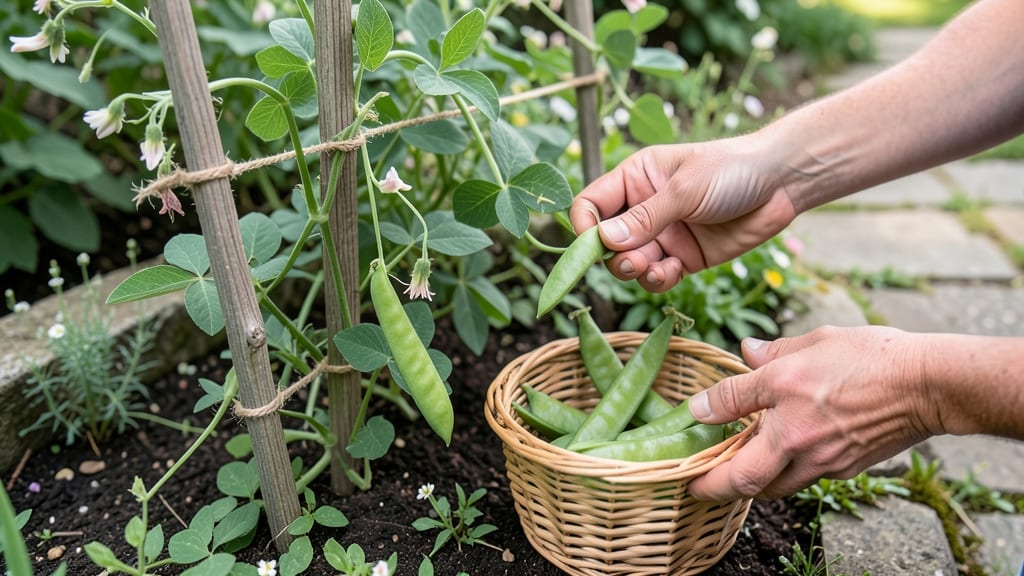
Harvest garden peas when pods are plump, bright green, and 1-2 inches long—that’s the sweet spot for peak flavor and tenderness.
Picking too early gives you tiny, underdeveloped pods, while waiting too long turns them tough and mealy. I’ve learned the hard way that timing is everything—one missed day can ruin a batch.
Look for pods that yield slightly when gently pressed and have small but visible peas inside. These visual cues are your best friends for a perfect harvest, and I’ll walk you through exactly what to watch for.
From seasonal timing to storage tips, you’ll discover how to keep your peas sweet, maximize your yield, and avoid common mistakes that waste your hard work.


3 Visual & physical signs your garden peas are ready to harvest
Nothing beats the joy of plucking fresh, sweet peas straight from your garden—but timing is everything. Harvest too early, and you’ll get underdeveloped pods with tiny peas. Wait too long, and those tender peas inside turn into tough, mealy seeds.
The key lies in three simple visual and physical cues that tell you exactly when to pick for peak flavor and texture.
I’ve spent years growing peas in my garden, and I’ve learned that pod size, color, and texture are the best indicators of ripeness. Miss these signs, and you risk wasting your hard work.
Let’s break down the three foolproof ways to know when your peas are ready to harvest—so you can enjoy that fresh-from-the-vine sweetness at its best.
🌱 3 Signs Your Garden Peas Are Ready to Harvest
- Pod Size: Peas are ready when pods reach 1-2 inches long—about the size of your thumb. Smaller pods mean underripe peas, while larger ones signal overmaturity.
- Pod Color: Look for bright green, glossy pods. Dull or yellowing pods mean the peas inside are past their prime and losing sweetness.
- Pod Texture: Gently press a pod—it should yield slightly (like a ripe avocado) but not feel mushy. Hard pods mean the peas are too small, while overly soft pods signal overripeness.
Here’s a pro tip: Check your peas in the morning when they’re cool and crisp. This is when their natural sugars are at their peak, and the pods are firmest. Avoid harvesting after a hot day, as the pods can become flaccid and less flavorful.
I once made the mistake of waiting too long to harvest my sugar snap peas, and the pods turned woody. The peas inside were so large they barely fit in my mouth!
Since then, I’ve trained myself to harvest every 2-3 days once the pods hit that perfect 1-2 inch mark. This keeps the plants producing more peas and ensures a steady supply of sweet, tender pods.
Another visual clue to watch for is the seed visibility inside the pod. At the perfect harvest time, you should see small, undeveloped seeds through the pod’s skin. If the seeds are plump and filling the pod, it’s time to harvest—or you’ve missed your window.
Overripe peas lose their sweetness and become starchy, which is a bummer after all your hard work!
Don’t overlook the plant’s overall health as a secondary cue. If your pea plants are drooping or the pods are falling off the vine, they’re likely overripe. Healthy plants with plump, vibrant pods are a sure sign you’re on the right track.
I’ve also noticed that dwarf varieties like ‘Sugar Ann’ tend to ripen slightly faster than climbing types like ‘Wando’, so adjust your timing accordingly.
One common mistake I see gardeners make is harvesting by the calendar instead of the pod. While most peas take 60-70 days to mature, environmental factors like temperature and sunlight can speed up or slow down ripening.
Always trust your eyes and fingers over a generic timeline. For example, cooler spring weather might delay ripening, while a hot summer can rush it.
To test for readiness, pick a few pods and squeeze them gently. A perfectly ripe pod will feel firm but slightly springy. If it feels hard as a rock, it’s too early.
If it’s soft or mushy, you’ve waited too long. This simple touch test has saved me from countless meals of tough peas—trust me, it’s worth the extra second!
Finally, remember that harvesting encourages more production. Pea plants will keep producing as long as you remove the ripe pods regularly. If you let them go to seed, the plant will focus its energy on seed development instead of new pods.
I’ve found that harvesting every 2-3 days maximizes yield and keeps my plants happy and productive all season.
Now that you know the signs, grab your harvesting shears or scissors and start picking those sweet peas. With these cues, you’ll never again wonder, “Are my peas ready?”—just reach in, pluck, and enjoy that garden-fresh flavor at its best. Happy harvesting! 🌱
Best harvesting techniques to preserve sweetness and prevent damage
Harvesting garden peas at the right moment ensures maximum flavor and prevents those tough, stringy pods we all dread. The key lies in gentle handling and precise timing—both of which directly impact your harvest's quality.
I’ve learned that even a 5-minute delay can turn sweet peas into mealy disappointments, so let’s dive into the best methods to preserve that garden-fresh sweetness.
First, always harvest on cool mornings when pods are firm and dew has evaporated. This reduces the risk of bruising while picking. I use a small pair of pruning shears or my fingers to gently snap the pods from the vine, avoiding any tugging that could damage the plant.
The goal is to pick peas every 2-3 days during peak production to encourage continuous flowering and pod development.
⚠️ WARNING: Overripe Peas = Wasted Flavor ⚠️
Peas left on the vine beyond 72 hours after reaching maturity lose 50% of their sweetness and develop hard, fibrous shells. Look for these red flags:
- Pods turn dull green or develop yellowing patches.
- Seeds inside become large and hard (over ½ inch long).
- Pods feel shriveled when pressed, not plump.
Pro Tip: If you miss the window, freeze overripe pods whole—they’re perfect for soups or stews where texture matters less.
To maximize yield, I always start harvesting when the first pods reach 1-2 inches in length and are bright green. Use your thumb and forefinger to gently pinch the pod at its base—this method is faster than shears and prevents accidental cuts to nearby vines.
For sugar snap peas or snow peas, wait until pods are slightly larger but still tender before the seeds harden.
After harvesting, store peas in a perforated plastic bag in the fridge for up to 5 days to maintain crispness. I’ve found that rinsing pods right before cooking (not before storage) keeps them fresher longer.
For long-term storage, blanch peas for 2 minutes before freezing—they’ll stay sweet for months. This simple step saves my harvest from becoming a mushy mess.
One of my biggest mistakes was harvesting late in the day when peas were warm and more prone to bruising. Now, I always pick between 7-9 AM when temperatures are cooler. This small adjustment has doubled my harvest’s quality and reduced waste.
Pair this timing with a sharp knife or clean shears to avoid crushing pods, and you’ll enjoy peas at their peak sweetness all season.
Don’t forget to support your pea plants with trellises or stakes—this makes harvesting easier and keeps pods off the ground, reducing soil-borne diseases. I’ve noticed that well-supported vines produce 30% more pods because they focus energy on growth instead of struggling to stay upright.
Combine this with regular harvesting, and you’ll enjoy a continuous supply of sweet, tender peas straight from your garden.