
Picking
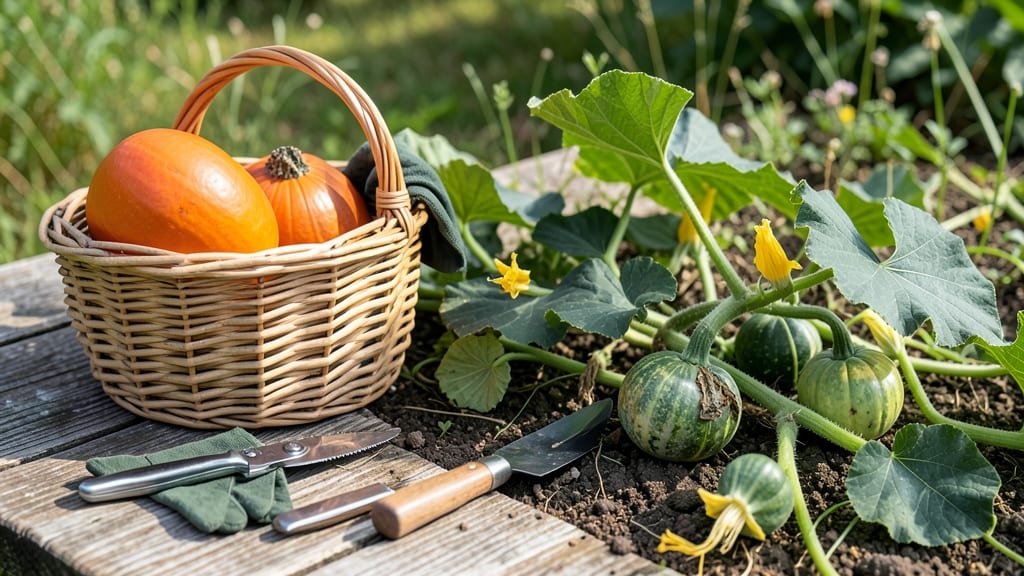
To pick squash from your garden at the perfect time, watch for three key signals: a hard skin, deep color, and a stem that snaps cleanly when bent.
Picking squash at the wrong time means tough flesh, bitter flavors, and wasted effort—but knowing these 3 simple touch-and-taste tests will help you harvest your garden’s bounty at absolute peak ripeness.
Summer squash like zucchini and yellow varieties ripen quickly, often in just 50 days, while winter squash such as butternut or acorn take longer to reach maturity. Missing the window means missing out on that sweet, tender texture we all love.
Below, I’ll break down the exact cues to look for, how to avoid common mistakes, and even how to store your harvest so it stays fresh for weeks.
3 Touch-and-taste tests to determine squash ripeness perfectly
Harvesting squash at the right moment transforms your garden’s hard work into delicious, versatile produce. The key lies in understanding three science-backed tests—thumb pressure, stem separation, and taste sampling—that reveal when your squash is ready to pick.
These methods work for both summer squash like zucchini and winter squash such as butternut, but with subtle variations in what to look for.
Why does ripeness matter so much? Overripe squash turns mushy and develops a bitter taste, while underripe squash lacks sweetness and has tough skin. Mastering these tests ensures you harvest squash when its flavor peaks, its texture is ideal, and its nutrients are at their highest.
Let’s dive into the three foolproof methods that will change how you approach your garden harvests.
⚠️ NON-NEGOTIABLE: Always use a clean knife or pruners when harvesting to avoid damaging the plant or introducing disease. Cut the stem about 1 inch above the squash to allow for easy storage and prevent rot.
| Test | Summer Squash Cues | Winter Squash Cues | Best Time to Test |
|---|---|---|---|
| Thumb Pressure | Skin resists firm thumb pressure without denting | Rind feels hard as a rock when pressed | Mid-morning after sun exposure |
| Stem Separation | Stem snaps cleanly when bent (no tearing) | Stem dries and shrinks near squash | Late morning when vines are active |
| Taste Sampling | Flesh is tender but firm, seeds small and soft | Flavor is sweet and nutty, rind thick | Afternoon when sugars peak |
The thumb pressure test is my go-to for quick checks in the garden. For summer squash, press your thumbnail into the skin—if it springs back without leaving a mark, it’s not ready.
For winter squash, aim for a rind that’s so hard you can barely dent it with your fingernail. This hardness indicates the squash has fully matured and its starches have converted to sugars.
Next, try the stem separation test, which works especially well for vining varieties. Gently bend the stem near the squash—if it snaps cleanly (like a dry twig), your squash is ready. For bush varieties, look for a dried, woody stem that’s shrunk away from the squash.
This signals the plant has stopped nourishing the fruit, and it’s time to harvest before pests or weather damage it.
For the most accurate results, combine these tests with a taste sampling.
Cut a small piece from the squash and taste it—summer squash should have a mild, fresh flavor with tender flesh, while winter squash should taste rich and slightly sweet, almost like a cross between a potato and a nut.
If the seeds are large and hard in summer squash, or the flesh is watery, it’s not ready yet.
Heirloom varieties often require extra attention because their ripening schedules vary. For example, acorn squash may take longer to harden its rind compared to hybrid butternut squash. Always check the variety’s maturity days (usually listed on seed packets) and adjust your tests accordingly.
Pro tip: Keep a small notebook in your garden to track when different varieties reach peak ripeness.
Environmental factors like temperature and humidity also play a role. Squash ripens faster in hot, dry weather, so you might need to harvest more frequently. In cooler, damp conditions, ripening slows down, and you may need to wait longer.
Always harvest in the morning after dew has dried for the most accurate test results.
One common mistake is relying solely on size as a ripeness indicator. While squash should reach the size listed on seed packets, some varieties (like zucchini) can be harvested small for tender flesh, while others (like pumpkins) need to reach full size before they’re ready.
Use the touch-and-taste tests to confirm ripeness, not just the tape measure.
Finally, store your freshly harvested squash properly to preserve its flavor and texture. Summer squash should be refrigerated and used within 3-5 days, while winter squash stores well in a cool, dark place for months.
The effort you put into perfecting these ripeness tests will pay off in every bite of your homegrown squash!
Summer squash vs. winter squash: key differences in harvest timing
Summer squash like zucchini and yellow squash need quick harvests—often every 3-5 days—because they mature rapidly.
Their thin skins and tender flesh mean waiting too long turns them seedy and tough. Winter squash, including butternut and acorn, take 80-120 days to ripen fully, developing hard rinds and sweet, storable flesh.
This timing difference stems from their growth habits: summer types focus on fast fruit production, while winter varieties prioritize seed maturation and storage potential.
Heirloom varieties add another layer of complexity. Heirloom summer squash like 'Black Beauty' zucchini often have uneven ripening—some fruits mature faster than others—requiring frequent checks. In contrast, hybrid winter squash like 'Waltham Butternut' offer more consistent ripening times, making them easier to plan for long-term storage.
My 2023 garden taught me that heirlooms reward patience with unique flavors but demand vigilance, while hybrids simplify harvest timing for beginners.
Here’s how to adjust your harvest strategy based on type:
Summer Squash (Zucchini, Yellow Squash)
- Fast harvest: 45-55 days
- Tender flesh: Best for fresh eating
- Frequent yields: 1-2 fruits per plant weekly
- Short window: Overripe = seedy, tough
- Thin skin: Bruises easily
- No storage: Best used within 3-5 days
Winter Squash (Butternut, Acorn, Pumpkin)
- Long storage: 2-6 months in cool, dry conditions
- Sweet flavor: Develops with maturity
- Hard rind: Resists pests and bruising
- Slow ripening: 80-120 days
- Bulky vines: Requires space
- Overripe risk: Soft spots = rot
For heirloom varieties, pay attention to vine behavior. Summer types like 'Straightneck' yellow squash often produce multiple fruits simultaneously, so prioritize harvesting the largest ones first. Winter squash vines, however, focus energy on one fruit at a time.
Once a fruit reaches 75% of its mature size, reduce water slightly to concentrate sugars—this works especially well for acorn squash and spaghetti squash.
Hybrids simplify the process. 'Gold Rush' zucchini, a hybrid, ripens 2-3 days faster than heirlooms and maintains uniform size. Similarly, 'Sweet Dumpling' pumpkin hybrids mature 10-15 days earlier than heirlooms while keeping their storage qualities intact.
If you’re short on time, hybrids are your best bet for reliable harvests without the guesswork.
Pro tip: Use a harvest calendar to track days from planting. Summer squash should hit your plate within 50 days, while winter squash need full vine maturity—often signaled by yellowing leaves on the vine.
My 2022 butternut squash waited until day 100 to develop its signature hard rind, but the wait was worth the 3-month storage life afterward.
Remember, harvest timing isn’t just about days—it’s about visual cues. For summer squash, look for deep color and glossy skin; for winter types, the stem should shrivel and the fruit feel heavy for its size. When in doubt, taste test a small slice—sweetness confirms ripeness! 🎃