
Planting
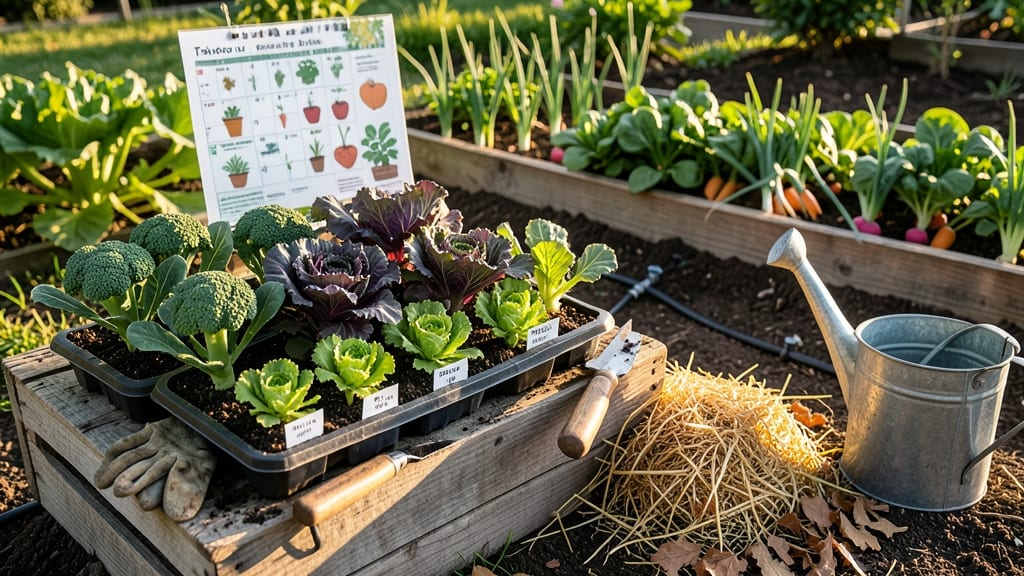
Planting a fall garden in Texas means beating the heat and frost with precision timing—start between mid-August and early October to lock in a harvest before winter sets in.
Texas gardeners know the summer heat can be brutal—but with the right timing, you can beat the heat and grow a thriving fall garden. Planting at the perfect moment means avoiding wilting crops and maximizing yields before winter frost.
North Texas (Zone 8a) has a shorter window than South Texas (Zone 10b), so understanding your local frost dates is key. Whether you're sowing heat-loving okra or cool-season greens, the 6-8 week rule before first frost is your best guide.
In this guide, I’ll break down the exact planting deadlines by zone, the best crops for each region, and how to extend your harvest with smart succession planting—so you can enjoy fresh veggies straight from your Texas garden all the way into December.
Texas fall planting deadlines by hardiness Zone (8a-10a)
Timing is everything when planting a Texas fall garden. The state's USDA Zones 8a-10a experience wildly different frost dates, with North Texas (8a) facing early freezes by November 15 while South Texas (10a) can garden until January.
Missing the window means struggling with heat-stressed seedlings or frost-damaged crops—neither of which you want in your harvest.
For heat-tolerant crops like okra, sweet potatoes, and collard greens, the key is planting 6-8 weeks before your first frost while avoiding the peak summer heat (June-August).
This means starting transplants in late July and direct sowing in August for most regions. Let’s break down the exact deadlines by zone to ensure your garden thrives.
| Zone | First Frost Date | Transplant Deadline | Direct Sow Deadline | Best Crops |
|---|---|---|---|---|
| 8a (North Texas) | November 15 | August 15 | September 15 | Collards, Kale, Okra, Sweet Potatoes |
| 8b (Central Texas) | November 25 | August 25 | September 25 | Turnips, Beets, Green Beans, Peppers |
| 9a (East/Central Texas) | December 10 | September 1 | October 10 | Carrots, Lettuce, Spinach, Radishes |
| 9b (South/Central Texas) | December 20 | September 10 | October 20 | Broccoli, Cabbage, Swiss Chard, Mustard Greens |
| 10a (South Texas) | January 15 | September 30 | November 1 | Tomatoes, Peppers, Eggplant, Winter Squash |
In Zone 8a, where frost can hit as early as mid-November, focus on fast-maturing crops like turnips and radishes (30-45 days to harvest).
Start transplants by August 15 to give them time to establish roots before cooler weather sets in. Okra and sweet potatoes are exceptions—they thrive in heat and can handle late summer plantings, but avoid sowing after September 15 in this zone.
Moving to Zone 9a, you’ve got a little more flexibility. Here, leafy greens like spinach and lettuce can be direct-sown until October 10, while root vegetables such as carrots and beets benefit from an earlier start.
For transplants, aim to get them in the ground by September 1 to ensure they’re established before temperatures drop. Collard greens are a standout choice—they sweetened by frost, making them perfect for late-season planting.
South Texas (Zone 10a) is the golden zone for fall gardening, with frost rarely arriving before January 15.
This means you can extend your growing season well into winter. Tomatoes and peppers can still be planted in late September for a winter harvest, while broccoli and cabbage thrive when transplanted by October 1. Don’t overlook winter squash—it’s a heat-tolerant option that stores well for months.
Pro tip: Soil temperature is just as critical as air temperature. Most fall crops prefer soil between 60-70°F. Use a soil thermometer to check before planting—cool soil slows germination.
If your soil is still above 80°F in late August, delay planting until temperatures drop. Mulching with straw or shredded leaves helps regulate soil temp and retain moisture, which is especially helpful in Zone 8a’s dry fall air.
For direct-sown seeds, always follow the "backwards planning" method. Count 6-8 weeks from your first frost date and plant accordingly.
For example, in Zone 9b, if frost hits December 20, you’ve got until October 20 to sow lettuce or spinach for a timely harvest. Transplants need even more lead time—aim for 4-6 weeks before your
Best heat-tolerant fall vegetables for Texas gardens (and when to start seeds)
Texas summers are long and hot, but that doesn’t mean your fall garden has to suffer. The key is choosing heat-tolerant vegetables that thrive in late-season warmth while still producing before frost.
These crops—like collard greens, okra, and sweet potatoes—can handle the heat better than most, giving you a bountiful harvest even as temperatures drop. The trick? Start seeds at the right time to avoid summer stress and ensure a steady supply of fresh produce.
For Texas gardeners, timing is everything. Planting too early means battling intense summer heat, while waiting too long risks frost-sensitive crops bolting or freezing before harvest. The ideal window is typically mid-August to early October, depending on your USDA hardiness zone.
In North Texas (Zone 8a), aim for late August starts, while South Texas (Zone 9b-10a) can push seeds into early September. Let’s break down the best crops and their perfect planting schedules.
🌱 Top Heat-Tolerant Fall Vegetables for Texas
- 1. Okra – Start seeds mid-July to early August for a fall harvest. Thrives in 90°F+ temperatures and produces pods until frost. Direct-sow in warm soil for best results.
- 2. Sweet Potatoes – Plant slips late July to mid-August. They love heat and mature slowly, making them perfect for extended fall harvests. Choose Beauregard or Georgia Jet varieties.
- 3. Collard Greens – Sow seeds late August to early September. Heat-hardy and sweetens after frost, making them ideal for Texas fall gardens. Direct-sow or transplant seedlings.
- 4. Southern Peas (Cowpeas) – Plant seeds early August to mid-September. Drought-tolerant and nitrogen-fixing, they improve soil while producing edible pods. Try Purple Hull or Black-Eyed Peas.
- 5. Malabar Spinach – Start seeds late August to early October. A vining heat-lover, it’s perfect for trellises and continues producing until frost. No bolting risk in Texas heat.
- 6. Eggplant – Transplant starts late July to early August. Choose heat-resistant varieties like Black Beauty or Ichiban for fall harvests before cold sets in.
- 7. Mustard Greens – Sow seeds late August to mid-September. Fast-growing and cold-hardy, they handle late-season heat well and add peppery flavor to meals.
When starting seeds, remember that germination speed slows in Texas heat. Use shade cloth or row covers to protect young seedlings from intense sun until they establish roots.
For okra and sweet potatoes, which love warmth, you can even start seeds indoors in late June and transplant outdoors once soil temperatures cool slightly. This head start ensures they’re large enough to handle late-summer heat waves.
For leafy greens like collards and mustard greens, focus on late August to early September plantings. These crops benefit from cooler nights but still need protection from midday heat stress.
Use mulch to retain moisture and drip irrigation to keep roots cool. Avoid overhead watering, which can lead to fungal diseases in humid Texas air.
Don’t forget to succession plant heat-tolerant crops like Southern peas and Malabar spinach every 2-3 weeks from August through September. This ensures a continuous harvest as older plants mature.
For example, if you plant okra in early August, follow up with another round in mid-August to extend your harvest window. The same strategy works for eggplant and sweet potatoes, though they take longer to mature.
With the right heat-tolerant varieties and precise timing, your Texas fall garden can be just as productive as your spring one. These crops not only survive the heat but thrive in it, giving you fresh produce long after most gardens have called it quits.
Start your seeds now, and you’ll be enjoying homegrown okra, collards, and sweet potatoes well into November—if not December! 🌿