
Planting
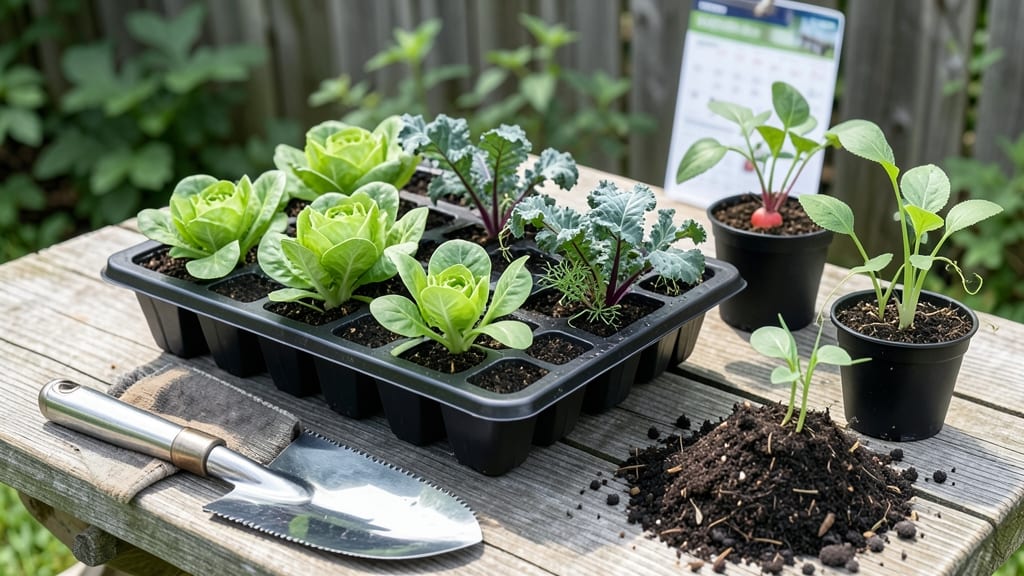
Planting a garden in Cleveland, Ohio, means timing your Zone 6b crops between mid-April and late May—or risking frost damage to tender seedlings.
Cleveland’s unpredictable spring weather can turn gardening dreams into frustrating guesswork—but timing your plantings by the city’s Zone 6b frost dates ensures a bountiful harvest instead of wilted disappointment.
With last frosts typically hitting April 15 and first frosts arriving by October 15, your growing season is short but packed with potential. Cool-season crops like spinach and peas thrive in early spring, while tomatoes and peppers need the warmth of June and July.
Below, I’ll break down the exact planting windows for your favorite General Garden Plants 🌱, how to adjust for microclimates near Lake Erie, and pro tips to stretch your season—so you can enjoy fresh produce from June through October.
Cleveland Ohio planting calendar: exact dates for vegetables, flowers & herbs by hardiness
Cleveland’s Zone 6b climate gives you just 165 frost-free days—so nailing your planting windows means the difference between a bountiful harvest and a wasted season. The city’s last spring frost typically arrives between April 15–May 15, while the first fall frost hits October 15–November 1.
These dates are your gardening GPS, but microclimates near Lake Erie or urban heat islands can shift them by 1–3 weeks.
To maximize your garden’s potential, I’ve broken down cool-season crops (like kale and peas) that thrive in early spring and fall, versus warm-season powerhouses (tomatoes, peppers) that need soil temperatures above 60°F. I’ll also share heat-tolerant alternatives for late starters—because Cleveland’s weather loves to keep you guessing.
🌱
| Plant Type | Best Planting Window | Sun Needs | Notes |
|---|---|---|---|
| Cool-Season Veggies | March 15–April 30 August 1–September 15 |
Full Sun to Partial Shade | Peas, spinach, kale, carrots. Start seeds indoors 4–6 weeks before last frost. |
| Warm-Season Veggies | May 1–June 15 (or after soil hits 60°F) |
Full Sun (6+ hours) | Tomatoes, peppers, cucumbers. Use row covers if planting late. |
| Herbs | April 1–May 15 (or September 1 for fall) |
Partial Shade to Full Sun | Basil, parsley, cilantro. Basil hates frost—wait until May 15. |
| Perennials | April 1–May 10 | Varies (check plant tags) | Daylilies, coneflowers. Plant in spring for best root establishment. |
| Flowers | April 15–June 1 (or August 1 for fall blooms) |
Full Sun to Partial Shade | Marigolds, zinnias, cosmos. Deadhead for continuous blooms. |
| Heat-Tolerant Alternatives | June 1–July 15 | Full Sun | Okra, sweet potatoes, Swiss chard. Plant after June 1 for late-season success. |
For cool-season crops, I recommend starting spinach and peas as soon as the soil is workable in mid-March, even if temperatures dip.
These hardy greens can handle light frosts and often bolt less in Cleveland’s cooler springs. Lettuce and radishes are also early winners—sow them 2–3 weeks before your last frost date for a spring harvest by June.
Warm-season tomatoes and peppers are trickier. If you miss the May 1–June 15 window, don’t panic—opt for heat-tolerant varieties like ‘Heatmaster’ tomatoes or ‘Jalapeño M’ peppers, which thrive in 80°F+ heat.
For extra insurance, use black plastic mulch to warm the soil 2–3 weeks faster than bare earth.
Herbs like basil and cilantro have opposite needs: basil demands warm soil (wait until May 15) and full sun, while cilantro bolts in heat—so plant it in late summer for a fall harvest. Parsley is the exception: it’s biennial and handles Cleveland’s cool springs and falls beautifully.
🌿
Don’t forget fall planting! Broccoli, cabbage, and kale love the cool weather of September–October and often produce sweeter flavors after a light frost. Garlic is another star—plant it in October for a summer harvest.
Even perennials benefit from a spring or fall refresh: divide daylilies in early spring or coneflowers in fall to rejuvenate their growth.
Pro tip: Use frost clocks (like the Old Farmer’s Almanac) and local weather stations (e.g., NOAA Cleveland data) to track real-time frost risks. If a late frost threatens, cover seedlings with row fabric or cloche tunnels—I’ve saved entire tomato starts this way in past years.
☀️
How to adjust your planting schedule for Cleveland’s microclimates (Lake Effect & urban heat islands)
Cleveland’s proximity to Lake Erie and its sprawling urban areas create dramatic temperature swings that can shift your planting windows by 1–3 weeks—even within the same neighborhood.
If your tomatoes thrive next door but struggle in your yard, it’s likely due to these microclimates altering frost dates and heat exposure. Understanding these zones helps you avoid costly mistakes like planting too early in cold pockets or too late in heat traps.
Lake Effect zones near Lake Erie experience milder winters and later springs, while urban heat islands (like downtown) can push summer planting dates 2 weeks earlier than rural areas. Elevation changes—even just 100 feet—can also delay frost by 3–5 days. By adjusting for these factors, you’ll match your planting schedule to your exact location, not just the city average.
📊 Comparison Table: Cleveland Microclimate Planting Adjustments
| Microclimate Type | Last Frost Shift | First Frost Shift | Planting Window Adjustment | Example Plants |
|---|---|---|---|---|
| Lake Erie Shoreline (Zone 6b+) | 1–2 weeks earlier | 1 week later | Start warm-season crops April 20–May 5 | Peppers, Eggplants, Basil |
| Urban Heat Islands (Downtown) | Same as average | 1–2 weeks earlier | Plant heat-lovers May 15–June 1 | Okra, Sweet Potatoes, Cucumbers |
| Rural/High Elevation (Zone 6a) | 1–2 weeks later | Same as average | Wait until May 10–20 for warm crops | Tomatoes, Zucchini, Beans |
| North/Cold Pockets (e.g., Tremont) | 2–3 weeks later | 1 week earlier | Focus on cool-season crops | Kale, Spinach, Radishes |
To pinpoint your microclimate, use free tools like the NOAA Climate Data Portal or Local Climate Zones maps from Cleveland’s Cuyahoga County. For real-time adjustments, check AccuWeather’s “Garden Planner”—it accounts for localized frost risks and heat spikes.
I’ve also found that backyard weather stations (like the AcuRite Atlas) provide hyper-local data for $100 or less, eliminating guesswork for high-stakes crops like tomatoes or peppers.
For urban heat islands, prioritize shade-tolerant varieties (like ‘Black Krim’ tomatoes) and drip irrigation to prevent stress. In Lake Effect zones, extend the season with floating row covers—they add 2–4°F protection and let you plant peppers 2 weeks earlier.
Always test your soil’s warmth (use a soil thermometer) before sowing seeds; 50°F+ is critical for germination.
Pro tip: If your neighbor’s garden looks lush while yours struggles, ask about their microclimate tweaks. Many Cleveland gardeners swear by succession planting in heat islands (e.g., lettuce every 2 weeks) or delayed planting in cold pockets (e.g., waiting until June 1 for beans).
Small shifts in timing can mean the difference between bountiful harvests and wilted disappointment.
🌱 Start by mapping your yard’s sun exposure and elevation—your planting schedule should reflect reality, not averages. With these adjustments, you’ll grow healthier, more resilient plants tailored to your unique corner of Cleveland.