
Planting
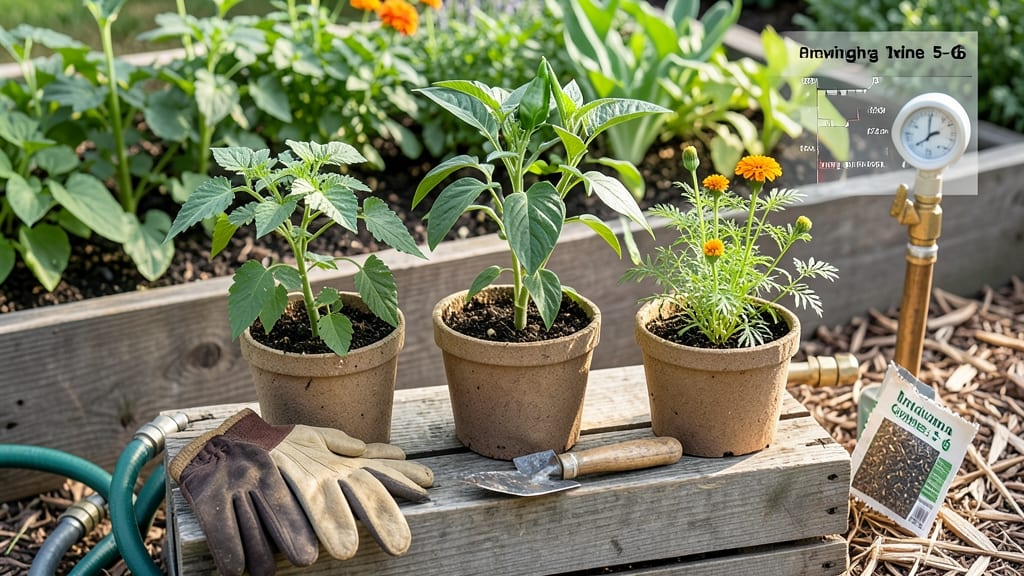
Planting a garden in Indiana at the right time means the difference between a bountiful harvest and a sad, frost-nipped failure.
Indiana’s unpredictable spring weather can make or break your garden—plant too early, and frost will wipe out your hard work; too late, and you’ll miss peak harvest season. Mastering the perfect planting window for Zones 5 and 6 is the key to a thriving garden.
Whether you’re growing cool-season crops like peas or warm-season favorites like tomatoes, timing matters more than you might think. A late frost in April can turn your early plantings into mulch, while waiting too long risks stunted growth before summer’s heat arrives.
In this guide, I’ll break down the exact planting windows for Indiana’s two key zones, share tricks for adjusting to weather surprises, and reveal the most common mistakes that even experienced gardeners make.
Indiana planting calendar by Zone 5 & 6: exact dates for vegetables, flowers, and herbs
Indiana’s USDA Zones 5 and 6 create a unique gardening challenge with last frost dates that can vary by 1-2 weeks between northern and southern regions. For Zone 5 (north), expect your average last frost around April 15-20, while Zone 6 (south) typically warms up by April 1-10.
These dates are your garden’s starting point for timing everything from cool-season crops to warm-season transplants.
Your soil temperature is just as critical as frost dates. Most warm-season vegetables like tomatoes and peppers need soil at 60°F or warmer to thrive, while cool-season greens like spinach and lettuce can handle 40-50°F soils.
Using a soil thermometer ($10 at garden centers) eliminates guesswork and prevents stunted growth from cold soil.
Key rule: Plant cool-season crops 4-6 weeks before your last frost date, and warm-season crops 2-3 weeks after. For herbs like basil, wait until nighttime temps stay above 50°F consistently. These timing windows maximize your harvest potential while avoiding frost damage.
| Plant Type | Zone 5 Last Frost | Zone 6 Last Frost | Ideal Planting Window | Soil Temp Threshold |
|---|---|---|---|---|
| Cool-Season Veggies (spinach, peas, lettuce) | April 15-20 | April 1-10 | 4-6 weeks before last frost | 40-50°F |
| Warm-Season Veggies (tomatoes, peppers, beans) | April 15-20 | April 1-10 | 2-3 weeks after last frost | 60°F+ |
| Herbs (basil, cilantro, dill) | April 15-20 | April 1-10 | After night temps stay above 50°F | 55°F+ |
| Flowers (marigolds, zinnias, cosmos) | April 15-20 | April 1-10 | 2 weeks after last frost | 50°F+ |
For cool-season crops, start seeds indoors 6-8 weeks before your last frost date. Spinach and peas can handle light frosts, but lettuce and kale may bolt if temperatures rise too quickly. My trick? Use shade cloth during heatwaves to extend their harvest window by 2-3 weeks.
Warm-season crops like tomatoes and peppers need extra care. Begin seeds indoors 8-10 weeks before transplanting after your last frost. If you’re short on time, opt for fast-maturing varieties like Early Girl tomatoes (55 days to harvest) or Jalapeño peppers (70 days). These give you a head start on the season.
Herbs are often overlooked but thrive with precise timing. Basil, for example, wilts in temperatures below 50°F, so wait until late May to plant. Cilantro, on the other hand, bolts in heat—sow it in early spring and again in late summer for two harvests. Dill is the easiest; just let it self-seed and return year after year.
Adjust your schedule for early vs. late varieties.
For instance, carrots take 60-80 days to mature, so plant them in early April for a summer harvest and again in mid-July for a fall crop. Radishes, which mature in just 25-30 days, can be sown every 2 weeks from spring to early summer for continuous harvests.
Don’t forget perennials like <
How to adjust planting times for Indiana’s microclimates and unpredictable weather
Indiana’s weather is famously fickle—one day you’re planting tomatoes, the next you’re scrambling to cover seedlings with frost cloth. The key to success lies in understanding your local microclimate and using smart adjustments.
Northern Indiana’s shorter growing season (Zone 5) demands earlier starts, while southern Indiana (Zone 6) can often push planting dates later. Even within cities, urban heat islands can create 10°F+ temperature differences compared to rural areas.
Start by identifying your specific microclimate: Are you in a low-lying area that floods easily? Near a large body of water that moderates temperatures? Or in a city where pavement absorbs heat? These factors can shift your planting window by 2-4 weeks.
For example, Evansville’s Zone 6 often sees last frost dates in early April, while South Bend’s Zone 5 might not reach safe planting until mid-May.
⚠️ WARNING: Late Frost Risks ⚠️
Use the 50°F soil temperature rule for warm-season crops. Test with a soil thermometer—if it’s below 50°F, wait. Cold soil stunts root growth, and seedlings may rot. For cool-season crops like peas and spinach, you can plant as soon as soil is workable (around 40°F), but be ready to protect them with row covers if frost threatens.
Pro Tip: Southern Indiana gardeners can often start warm-season crops 2 weeks earlier than northern counterparts. Use local Almanac frost dates as a baseline, but adjust based on your yard’s specific conditions.
Row covers and cold frames are your best friends for extending seasons. A simple floating row cover can add 4-6 weeks to your growing season by trapping heat. For example, I’ve successfully planted cabbage and broccoli in early March under row covers, harvesting before most neighbors even start their gardens.
Just remember to remove covers during the day in warm weather to prevent overheating.
Urban gardeners face unique challenges like heat reflection from buildings and limited space. If your garden sits against a brick wall, soil temperatures can be 10°F warmer than in open fields.
Test your soil in multiple spots—what works for your rural neighbor might fail in your city plot. Consider shade cloth for late-summer plantings to protect heat-sensitive crops like lettuce from bolting.
Pay attention to local weather patterns, not just averages. For the past 3 years, I’ve tracked when my last frost occurred and adjusted accordingly. In 2022, a late April freeze wiped out my early tomato starts, but by 2023, I’d learned to wait until Memorial Day weekend.
Keep a garden journal to note your personal frost dates—they’ll become more reliable than any calendar.
For warm-season crops, use transplanting instead of direct sowing to gain a head start. Buy sturdy 6-pack seedlings from a local nursery and pop them into the ground when soil warms up.
This gives you a 2-3 week advantage over direct-sown seeds. Just harden off seedlings properly to avoid transplant shock—acclimate them to outdoor conditions over 7-10 days before planting.