
Planting
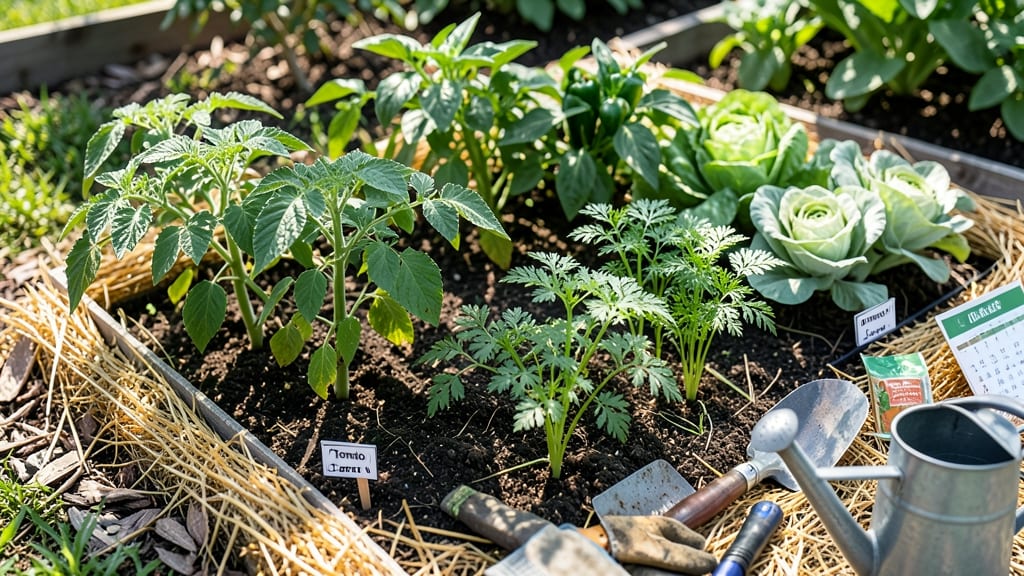
Planting a vegetable garden in North Carolina at the right time means the difference between a bountiful harvest and a sad pile of wilted seedlings.
North Carolina’s mild winters and long growing seasons make it a gardener’s paradise—but planting at the wrong time can mean wasted seeds and stunted harvests. Mastering the frost-free timeline for Zones 7b-8a ensures your tomatoes, peppers, and greens thrive when they should.
In this guide, I’ll break down the exact planting windows for cool-season crops like lettuce and spinach, as well as warm-season favorites such as tomatoes and peppers, so you never miss the perfect moment to start your garden.
You’ll also learn how to extend your growing season with simple tricks, like using row covers or cold frames, and which vegetables grow best in NC’s spring and fall—so you can plan ahead for a garden that keeps giving all year.
NC frost dates by Zone 7b-8a: the exact planting windows for vegetables
North Carolina’s Zone 7b-8a climate creates a unique gardening window where cool-season crops like lettuce and warm-season favorites like tomatoes can both thrive with precise timing.
The average last frost date in most of NC falls between March 15 and April 15, while the first frost typically arrives in November. Understanding these dates helps you avoid frost damage or wasted seeds.
According to NC State Extension, the Piedmont region (Zone 7b) has slightly earlier frost dates than the Coastal Plain (Zone 8a). For example, Raleigh usually sees its last frost around March 28, while Wilmington may wait until April 15.
These variations mean your planting calendar should account for microclimates—even just a few miles can shift your ideal planting window.
Here’s the critical rule: Cool-season crops (like spinach, kale, and peas) should go in the ground 4-6 weeks before your last frost, while warm-season crops (tomatoes, peppers, cucumbers) need to wait until soil temperatures reach 60°F and all frost risk has passed.
Skipping this step often leads to bolted greens or stunted tomatoes.
| Crop Type | Zone 7b Last Frost | Zone 8a Last Frost | Planting Window | Notes |
|---|---|---|---|---|
| Cool-Season (Lettuce, Spinach, Peas) | March 15–March 30 | March 20–April 5 | Feb 15–March 15 | Direct sow 4–6 weeks before last frost |
| Warm-Season (Tomatoes, Peppers, Cucumbers) | April 15–April 30 | April 10–May 1 | After May 1 (soil 60°F+) | Start indoors 6–8 weeks before transplanting |
| Fall Crops (Kale, Carrots, Radishes) | September 15–October 15 | October 1–October 15 | Aug 1–Sept 15 | Avoid planting after Sept 15 in Zone 7b |
| Heat-Tolerant (Okra, Sweet Potatoes, Southern Peas) | April 1–June 1 | March 15–May 15 | After last frost | Thrive in NC’s summer heat |
For Zone 7b (e.g., Raleigh, Greensboro), the last frost date averages around March 28, giving you a 180-day growing season if you plan carefully. In Zone 8a (e.g., Fayetteville, Wilmington), the frost-free window extends to November 15, allowing for a 240-day season.
This means you can squeeze in two full harvests—spring and fall—if you choose the right crops.
One common mistake is planting warm-season crops like tomatoes too early. Even if the air is warm, cold soil (below 60°F) will stunt root growth. Use a soil thermometer to confirm temperatures before planting.
For cool-season crops, succession planting every 2 weeks ensures a steady harvest before summer heat sets in.
NC’s Coastal Plain (Zone 8a) enjoys a longer growing season, but don’t assume you can plant later. For example, cucumbers planted after June 15 may struggle with powdery mildew from high humidity. Instead, opt for heat-tolerant varieties like ‘Southern Vining Cucumber’ or ‘Creole Tomato’ for summer planting.
If you’re in Zone 7b, prioritize early spring crops like peas and radishes (plant by February 15) and fall crops like carrots and kale (plant by August 15). In Zone 8a, you can push the envelope with winter gre
Best vegetables to plant in NC’s spring vs. fall: what thrives when
North Carolina’s spring and fall seasons offer the perfect conditions for growing vegetables, but timing is everything. Cool-season crops like spinach and radishes thrive in early spring, while hearty greens such as kale and carrots love the crisp air of fall.
Knowing which vegetables to plant—and when—can mean the difference between a thriving garden and a disappointing harvest.
In my experience, the key is aligning your planting schedule with NC’s frost-free windows. For example, tomatoes and peppers need warm soil to germinate, so they belong in late spring after the last frost.
Meanwhile, broccoli and lettuce can handle cooler temperatures, making them ideal for early spring or late summer plantings.
🌱 NC Planting Timeline for Spring & Fall Vegetables
- March-April (Early Spring): Plant spinach, radishes, lettuce, peas, and onions—these cool-loving crops tolerate light frosts and grow quickly before summer heat arrives.
- May-June (Late Spring): Start tomatoes, peppers, cucumbers, and squash after the last frost (typically mid-April in Zone 7b, early April in Zone 8a).
- July-August (Early Fall): Sow kale, carrots, beets, and broccoli for a fall harvest. These crops thrive in cooler temps and can handle light frosts.
- September-October (Late Fall): Plant garlic, green onions, and cold-hardy greens like collards for overwintering or early spring harvests.
For spring planting, focus on fast-growing crops like radishes and lettuce, which mature in 30-45 days. These can be harvested before summer heat sets in. In contrast, fall crops like kale and carrots benefit from the cooler weather and can even sweeten after a light frost.
One of my favorite summer vegetables is okra, which loves NC’s heat and humidity. Plant it in late spring to early summer for a bountiful harvest. Meanwhile, sweet potatoes thrive in the summer heat and can be planted as early as May in most of NC.
Don’t forget about succession planting! For example, you can plant bush beans every 2-3 weeks from late spring through early summer to ensure a steady harvest. Similarly, green onions can be harvested multiple times if planted in early spring or late summer.
To maximize your garden’s potential, I recommend keeping a planting journal to track what works best in your specific microclimate. NC’s diverse regions—from the Coastal Plain to the Mountains—can have slightly different frost dates, so adjust accordingly.
With the right timing, your garden will be productive from spring to fall!