
Planting
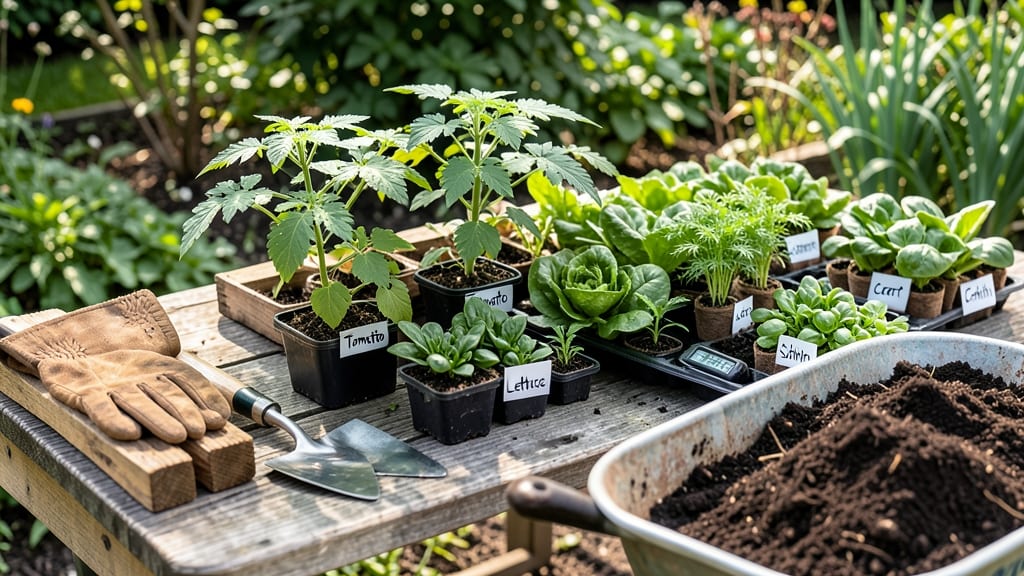
Planting a vegetable garden in New York means timing your seeds and transplants to avoid frost and maximize harvests 🌱 — and the right window depends on whether you’re in the city or Upstate.
New York’s unpredictable climate can make or break your garden—plant too early and risk frost damage, too late, and miss peak harvests. But with the right frost dates and plant-specific guidance, you can grow a thriving garden year after year.
From USDA zones 5a to 7a, last frost dates vary dramatically, meaning what works in Buffalo won’t fit NYC’s schedule. Cool-season crops like spinach and peas go in early, while tomatoes and peppers need to wait until after May 15th in most areas.
Below, I break down the exact planting windows for 15 essential vegetables, when to start seeds indoors, and how to adjust for late frosts or heatwaves—so you can get the most out of your garden, no matter where you’re growing.
New York frost dates by planting Zone: when to start seeds and transplant
New York spans USDA hardiness zones 5a through 7a, creating distinct planting windows across regions. Understanding your last spring frost and first fall frost dates is critical for timing everything from seed starting to transplanting.
In 2024, historical data shows NYC (Zone 7a) averages its last frost around April 15, while Buffalo (Zone 6a) typically sees frost until May 1.
Your microclimate matters just as much as your zone. Urban areas like NYC experience heat islands that delay frost, while Upstate regions near lakes (like the Finger Lakes) can have earlier springs due to moderating water temperatures. Always check local weather forecasts in late March to adjust your timeline.
Cool-season crops like kale and peas thrive when planted 4-6 weeks before your last frost, while warm-season plants such as tomatoes and peppers need soil temperatures above 55°F—usually 2 weeks after your last frost date.
Here’s a quick reference for New York’s average frost dates by zone, including seed-starting and transplanting windows:
| Zone | Last Frost Date | First Frost Date | Start Seeds Indoors | Transplant Outdoors |
|---|---|---|---|---|
| 5a (Northern NY) | May 15 | October 1 | March 1 - April 15 | May 20 - June 1 |
| 6a (Upstate, Albany) | April 30 | September 30 | March 15 - April 1 | May 10 - May 20 |
| 7a (NYC, Long Island) | April 15 | October 15 | February 15 - March 15 | April 25 - May 10 |
For cool-season vegetables like spinach or broccoli, you can even plant successive crops in late summer for a fall harvest before the first frost. Aim to sow these 60-90 days before your expected frost date.
Warm-season crops need consistent warmth—soil temperatures below 50°F can stunt growth. Use a soil thermometer to confirm readiness. In Zone 5a, wait until late May for heat-loving plants like eggplants or squash.
Microclimates near bodies of water or urban heat islands can shift frost dates by 1-2 weeks. For example, Central Park in NYC often warms up faster than Rochester, allowing earlier plantings. Observe your garden’s patterns for 3 years to refine your schedule.
Extend your growing season with row covers or cold frames to protect early plantings. These tools can push your last frost date back by 2-4 weeks, giving you more time for cool-season crops in fall.
Always err on the side of caution—late frosts in May are common in Upstate NY. Keep frost-sensitive seedlings like tomatoes indoors until your final frost date has passed.
🌱
Plant-specific timing guide: best months for 15 essential New York vegetables
New York’s diverse climate—from USDA zones 5a-7a—means your vegetable garden thrives on precise timing. Cool-season crops like lettuce and peas love early springs, while warm-season staples such as tomatoes and peppers need to wait for soil to warm.
Understanding these windows ensures you maximize harvests and avoid frost damage. Let’s break down the best months for 15 must-grow vegetables, including when to start seeds indoors or sow directly outside.
For successive planting, many crops can be sown every 2-3 weeks, extending your harvest well into fall. For example, bush beans and radishes are quick growers, while broccoli and cabbage benefit from staggered starts.
Below, I’ve organized planting times by crop type and season, so you can plan your garden like a pro.
Pro Tip: Always check your local last frost date (typically late April to early May in most of NY) and adjust for microclimates. Urban areas like NYC may have later frost dates than Upstate regions.
🌱 Numbered Highlights: Planting Schedule for 15 Essential NY Vegetables
- 🌿 1. Lettuce & Spinach: Direct sow March-April (cool season) or August-September (fall crop). Avoid summer heat.
- 🌱 2. Tomatoes: Start seeds indoors in March, transplant after last frost (May-June). Use row covers for early starts.
- 🌶 3. Peppers: Start seeds indoors in April, transplant after soil reaches 60°F (late May-June). Slow to mature!
- 🥬 4. Kale: Direct sow March-April or August-September. Thrives in cool weather; harvest leaves as needed.
- 🌻 5. Bush Beans: Direct sow after last frost (May-June). Succession plant every 2 weeks for continuous harvests.
- 🎃 6. Squash (Zucchini): Direct sow after last frost (May-June). Choose compact varieties for small spaces.
- 🥕 7. Carrots: Direct sow March-April or August-September. Thin seedlings to 2-3 inches apart.
- 🧅 8. Onions: Start seeds indoors in March, transplant April-May. Or sow sets in April.
- 🥔 9. Potatoes: Plant seed potatoes in April (after soil reaches 45°F). Harvest June-July for new potatoes.
- 🍅 10. Eggplant: Start seeds indoors in April, transplant after last frost (June). Needs warm soil!
- 🥬 11. Radishes: Direct sow March-April or August-September. Ready in 3-4 weeks—perfect for succession planting!
- 🍆 12. Okra: Direct sow after last frost (June). Loves heat; ideal for late summer harvests.
- 🥬 13. Swiss Chard: Direct sow March-April or August-September. Cut-and-come-again harvests all season.
- 🌽 14. Corn: Direct sow late May-early June (after soil is warm). Plant in blocks, not rows, for pollination.
- 🥬 15. Broccoli: Start seeds indoors in March, transplant April-May. Harvest heads before they bolt in heat.
For extended harvests, focus on succession planting with quick growers like radishes, bush beans, and lettuce. For example, sow radishes every 2 weeks from spring to early summer for a continuous supply.
Meanwhile, warm-season crops like tomatoes and peppers should be planted as late as possible—even in early July—to maximize their growing season before frost.
In Zone 5a (northern NY), aim to plant cool-season crops 2-3 weeks earlier than in Zone 7a (Long Island/NYC). Always monitor weather forecasts and use frost cloth for early starts.
With this guide, you’ll avoid the common mistake of planting too early and risking frost damage or too late and missing peak