
Planting
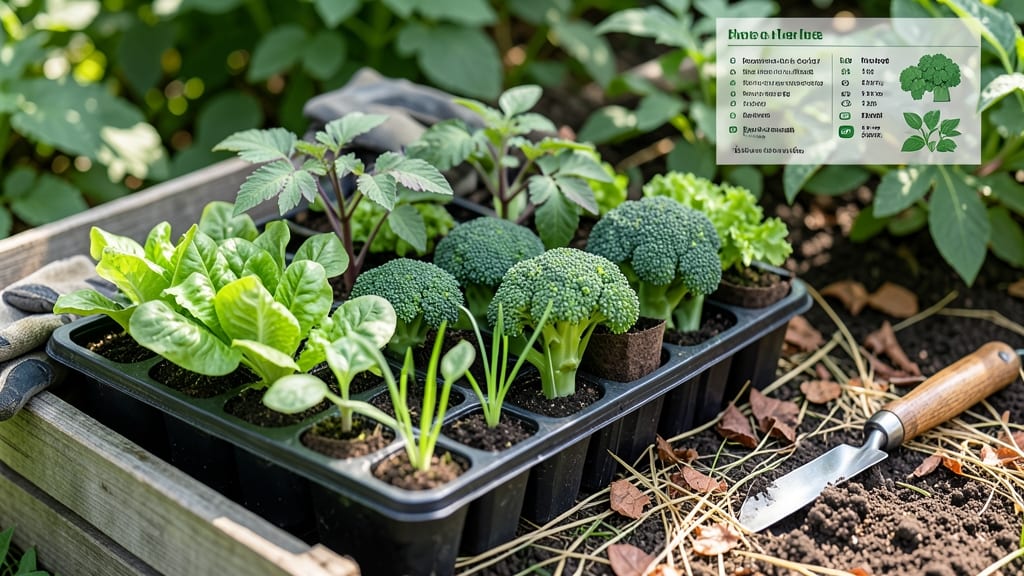
Planting a vegetable garden in Pennsylvania at the right time means the difference between a bountiful harvest and a sad pile of wilted seedlings.
Pennsylvania’s diverse climate—from the cool mountains to the warmer valleys—means your vegetable garden’s success hinges on planting at the perfect time. Get it wrong, and you’ll face stunted growth, pests, or wasted seeds. But follow these zone-specific guidelines, and you’ll harvest like a pro.
Cool-season crops like spinach and peas thrive when planted 4-6 weeks before your last frost, while warm-season favorites such as tomatoes and peppers need to wait until after the average April 15 frost date.
With USDA zones ranging from 5b to 7a, timing varies by region—so let’s break it down.
Inside, you’ll find a month-by-month planting calendar tailored to Pennsylvania, plus tips for soil prep, succession planting, and how to adjust for elevation or urban heat islands. Ready to grow your best garden yet?
Pennsylvania planting zones: when to start cool-season vs. warm-season vegetables
Pennsylvania spans USDA Hardiness Zones 5b through 7a, creating microclimates where spinach thrives in the Poconos while tomatoes ripen faster in Philadelphia. The key to success? Planting at the right time based on your frost-free dates and soil temperatures.
In Zone 5b (e.g., Scranton), you’ll start cool crops 4-6 weeks before last frost (around March 20-April 1), while Zone 7a (e.g., Pittsburgh) can begin 2-3 weeks earlier.
For warm-season vegetables like tomatoes and peppers, wait until soil reaches 60°F+—typically 2-3 weeks after last frost.
In Zone 5b, this means May 10-20, while Zone 7a gardeners can plant by April 25-May 5. Urban areas like Philadelphia often see warmer microclimates, allowing earlier starts for heat-lovers like cucumbers and squash.
Here’s your zone-specific planting guide, including frost dates, soil temps, and crop pairings to maximize yields:
| Zone | Avg. Last Frost | Cool-Season Start | Warm-Season Start | Soil Temp for Warm Crops | Example Crops |
|---|---|---|---|---|---|
| 5b (Poconos, NE PA) | April 15 | March 20-April 1 | May 10-20 | 60°F+ | Spinach, Kale, Peas, Lettuce |
| 6a (Central PA) | April 5 | March 1-April 1 | April 25-May 10 | 60°F+ | Broccoli, Radishes, Tomatoes, Peppers |
| 6b (Harrisburg, State College) | April 1 | February 25-March 15 | April 15-April 25 | 55°F+ | Cabbage, Carrots, Basil, Cucumbers |
| 7a (Pittsburgh, Philadelphia) | March 25 | February 15-March 1 | April 1-April 15 | 55°F+ | Onions, Beets, Eggplant, Okra |
*Use row covers to extend cool-season planting by 2-3 weeks. Warm crops need consistent 70°F+ temps for fruiting.
Pro tip: Test your soil temperature with a soil thermometer—warm-season crops like tomatoes won’t germinate below 55°F.
In cooler zones (5b), opt for early-maturing varieties (e.g., ‘Early Girl’ tomatoes) to beat fall frosts. Philadelphia gardeners can push the envelope with black plastic mulch to warm soil faster for peppers.
For cool-season crops, focus on hardy greens like kale and spinach, which tolerate light frosts (28°F).
Start seeds indoors 6-8 weeks before last frost for a head start. Peas and radishes are your fastest options—plant them as soon as soil is workable (around March 1 in Zone 7a or April 1 in Zone 5b) for early harvests.
Warm-season nightshades (tomatoes, peppers, eggplant) need consistent warmth. In Zone 5b, wait until May 15 to transplant seedlings, even if soil hits 60°F earlier. Cucumbers and squash are more forgiving—plant them 2 weeks after tomatoes to avoid blossom-end rot from cool nights.
Don’t forget fall planting! Cool-season crops can thrive again in late summer.
Aim to sow spinach and kale by August 15 in Zone 7a or September 1 in Zone 5b for harvests before first frost. Radishes and turnips mature quickly—ideal for succession planting every 2 weeks until September 15.
Use local frost data to fine-tune your schedule. Check the Penn State Extension or NOAA Climate tools for your county’s 30-year averages. For example, Erie’s Zone 6a often sees last frosts 2 weeks earlier than Lebanon County’s Zone 6b. Adjust accordingly—
Month-by-month planting calendar for PA gardens: what to sow in March vs. June
Pennsylvania’s spring and summer months offer distinct planting windows, but timing varies dramatically across USDA zones 5b-7a. In March, focus on cool-season crops like peas and spinach, while June becomes prime time for warm-season favorites such as tomatoes and peppers.
Regional microclimates—like Erie’s cooler lakeside air or Philadelphia’s urban heat islands—can shift ideal dates by 2-3 weeks, so adjust accordingly.
For Pittsburgh gardeners (Zone 6a), start hardy greens in early March under row covers, while Philadelphia gardeners (Zone 7a) can plant cold-hardy crops as early as late February. Meanwhile, Erie’s Zone 5b may wait until mid-March to avoid late frosts.
Each region’s last frost date (April 15 on average) marks the pivot point between cool-season and warm-season planting.
📅 PA Planting Timeline: March vs. June
- 1
- 2
- 3
- 4
- 5
In June, prioritize succession planting to maximize your garden’s yield.
For example, after harvesting early radishes, replant the space with bush beans or lettuce. Companion planting also pays off: pair basil with tomatoes to repel pests, or plant marigolds near cucumbers to deter beetles. Erie’s cooler climate may delay warm-season crops by 1-2 weeks, so monitor soil temperatures with a thermometer.
Don’t overlook fall planting—by late July, start cool-season crops like spinach and arugula for a harvest before first frost. Use row covers to extend the season in Zone 5b areas.
For Philadelphia’s warmer microclimate, you might squeeze in a second planting of bush beans in early August. Always check local frost dates—they can vary by 10+ days within PA.
Pro tip: Keep a gardening journal to track your planting dates, soil temps, and harvest times. Over time, you’ll refine your schedule to match your specific microclimate.
For instance, if tomatoes thrive in your garden by June 10th every year, note it—and adjust future plantings accordingly. Happy growing! 🌱