
Planting
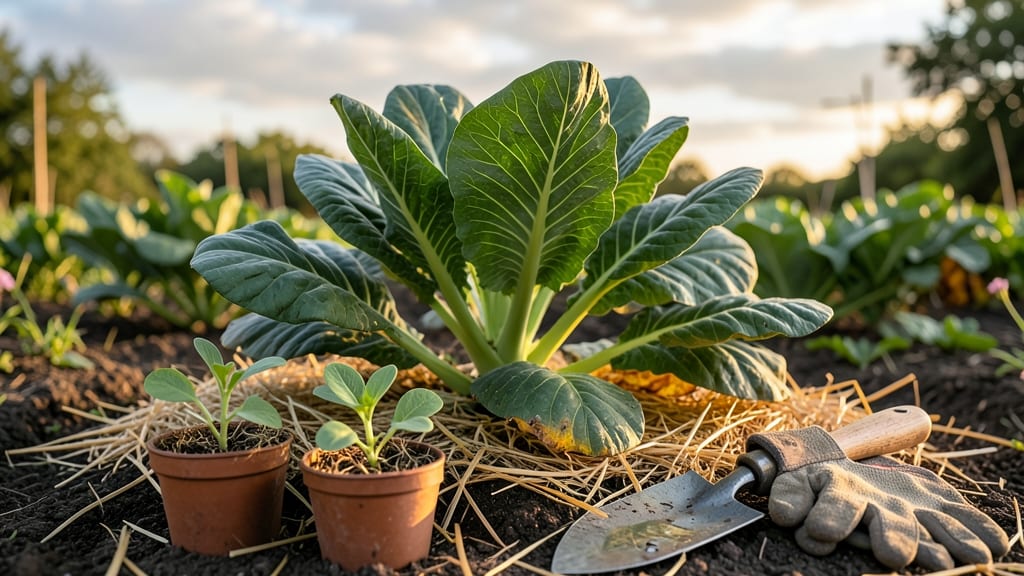
Planting a fall garden in Mississippi means starting mid-August to mid-September—when the heat still lingers but the days grow shorter 🥬.
Mississippi’s long, hot summers can make fall gardening a game-changer—but timing is everything. Plant too early, and your crops will bolt in the heat; too late, and frost ruins your harvest.
This isn’t just about avoiding frost; it’s about working with Mississippi’s 8a-9a climate, where residual summer heat can still stress delicate greens while heat-loving crops like okra and sweet potatoes thrive.
Here’s your exact planting schedule, from heat-tolerant crops to frost-proofing tips, so you can harvest fresh greens and roots from October through December.
Mississippi’s fall planting deadlines: last frost dates & heat-zone adjustments
Mississippi’s fall planting window is one of the most critical periods for gardeners, where heat-tolerant crops meet cool-season favorites. The state’s USDA Zones 8a-9a mean your last frost date can vary by 2-3 weeks depending on whether you're in North Mississippi (like Tupelo) or South Mississippi (like Biloxi).
Getting this timing right ensures your leafy greens and root vegetables thrive before winter sets in.
For most of Mississippi, the first frost typically arrives between mid-November and early December. However, microclimates—like urban heat islands or sheltered valleys—can shift this by 1-2 weeks. To maximize your fall harvest, aim to plant 6-8 weeks before your expected frost date.
This means starting heat-loving crops like okra and sweet potatoes in late July, while cool-season crops like kale and broccoli go in mid-August to early September.
Here’s how to adjust your planting schedule based on Mississippi’s regional differences:
If you’re in North Mississippi, your last chance to plant heat-tolerant crops like okra is early August. These crops need 8-10 weeks to mature before cooler temps set in. Meanwhile, cool-season crops like lettuce and spinach should go in by mid-September to avoid bolting.
In South Mississippi, you’ve got a little more flexibility—late September is still safe for leafy greens and root vegetables, thanks to milder winters.
Mississippi’s microclimates can also play a role. Urban areas like Jackson or Hattiesburg often stay 5-10°F warmer than rural spots, delaying frost by 1-2 weeks. If you’re near a large body of water (like the Gulf Coast), expect even longer growing seasons.
Use a local frost calendar or check with your county extension office for precise dates tailored to your area.
For heat-tolerant crops planted in late summer, focus on varieties that can handle 90°F+ temps while still maturing before frost. Examples include Malabar spinach, which thrives in heat, and black-eyed peas, which fix nitrogen in the soil.
These crops can be sown as late as early September in most of Mississippi and still produce a harvest before winter.
One common mistake Mississippi gardeners make is planting cool-season crops too early. If you sow lettuce or kale in July, it’ll bolt and go to seed from the heat. Instead, wait until late August for these heat-sensitive greens.
Another pitfall is ignoring soil temperature. Use a soil thermometer to ensure seeds aren’t planted in ground hotter than 85°F, which can stunt germination.
To extend your fall harvest, consider succession planting every 2-3 weeks after your initial sowing. This keeps a steady supply of leafy greens and root crops coming in, even as temperatures drop. Pair this with row covers or cold frames to push your growing season into November.
Don’t forget to adjust your watering schedule as fall approaches. While summer heat demands daily watering, fall crops often need less frequent but deeper watering to encourage strong root growth. Aim for 1-1.5 inches of water per week, delivered in the early morning to reduce fungal risks.
By aligning your planting with Mississippi’s regional frost dates and heat-zone adjustments, you’ll avoid the two biggest fall gardening pitfalls: heat stress and frost damage. With the right timing, your fall garden can be just as bountiful as your summer one—if not more so!
Best heat-tolerant fall vegetables for Mississippi’s late summer planting
Mississippi’s late summer heat doesn’t have to derail your fall garden dreams. Many heat-tolerant vegetables thrive when planted in August and early September, giving you a head start before cooler temperatures arrive.
These crops handle 90°F+ temperatures while still producing bountiful harvests—perfect for extending your growing season without waiting for cooler weather.
Choosing the right varieties ensures your garden survives residual summer heat while still maturing before the first frost. Below are my top 10 heat-tolerant fall vegetables that perform exceptionally well in Mississippi’s climate, along with their ideal planting times and spacing requirements to maximize your harvest.
- Okra – Plant July–August, 18–24 inches apart; thrives in heat, harvest pods at 3–4 inches.
- Sweet Potatoes – Start slips late June–July, 12–18 inches apart; needs full sun and well-draining soil.
- Malabar Spinach – Sow August–September, 12–18 inches apart; heat-loving vine with tender leaves.
- Black-Eyed Peas (Cowpeas) – Plant July–August, 4–6 inches apart; fixes nitrogen and resists heat stress.
- Southern Peas (Purple Hull, Crowder) – Sow late July–early August, 4 inches apart; drought-tolerant and high-yielding.
- Swiss Chard – Start seeds late August–early September, 12–18 inches apart; handles heat better than spinach.
- Collard Greens – Plant August–September, 12–18 inches apart; sweeter after light frost but tolerates heat.
- Cantaloupe – Sow late July–early August, 36–48 inches apart; needs warm soil and trellis support.
- Amaranth – Direct sow August–September, 12 inches apart; edible leaves and grains; drought-resistant.
- Watermelon – Plant late July–early August, 36–48 inches apart; choose short-season varieties like Sugar Baby.
For okra and sweet potatoes, focus on late July plantings to ensure they mature before temperatures drop. These crops love the heat and can even improve flavor with warm days.
Meanwhile, leafy greens like Swiss chard and collards benefit from late August starts to avoid bolting while still benefiting from residual summer warmth.
Spacing is critical—crowded plants compete for water and nutrients, stressing them in Mississippi’s heat. For example, watermelons and cantaloupes need ample space (36–48 inches apart) to sprawl and produce large fruits.
Meanwhile, Southern peas and black-eyed peas can be planted closer (4–6 inches apart) since they’re bushier and more compact.
Pro tip: Pair heat-tolerant crops with shade-loving companions like radishes or lettuce to create a balanced microclimate in your garden. This strategy helps manage soil temperature and moisture, giving your entire fall garden a fighting chance against Mississippi’s late-summer heat spikes.
Don’t forget to mulch heavily around these plants to retain moisture and regulate soil temperature. A 3-inch layer of straw or pine needles can make all the difference in keeping roots cool and hydrated during 90°F+ days.